
Chain Abstraction

Chain Abstraction: Invisible Multi-Chain Experience

Chain abstraction hides blockchain complexity from users, making multi-chain interactions feel like using a single network. It’s like having universal currency that works everywhere without exchange rates.

Chain abstraction creates user experiences where interactions with multiple blockchains happen seamlessly without users needing to understand or manage different networks, tokens, or bridges. Applications handle all cross-chain complexity behind the scenes.

How Chain Abstraction Works

Unified interfaces present single user experiences while automatically routing transactions across multiple chains based on cost, speed, or liquidity optimization.

Automatic bridging handles cross-chain asset movement transparently, executing complex multi-step operations through simple user actions.

Gas abstraction enables paying transaction fees with any token while the system handles conversions and payments on the appropriate networks.
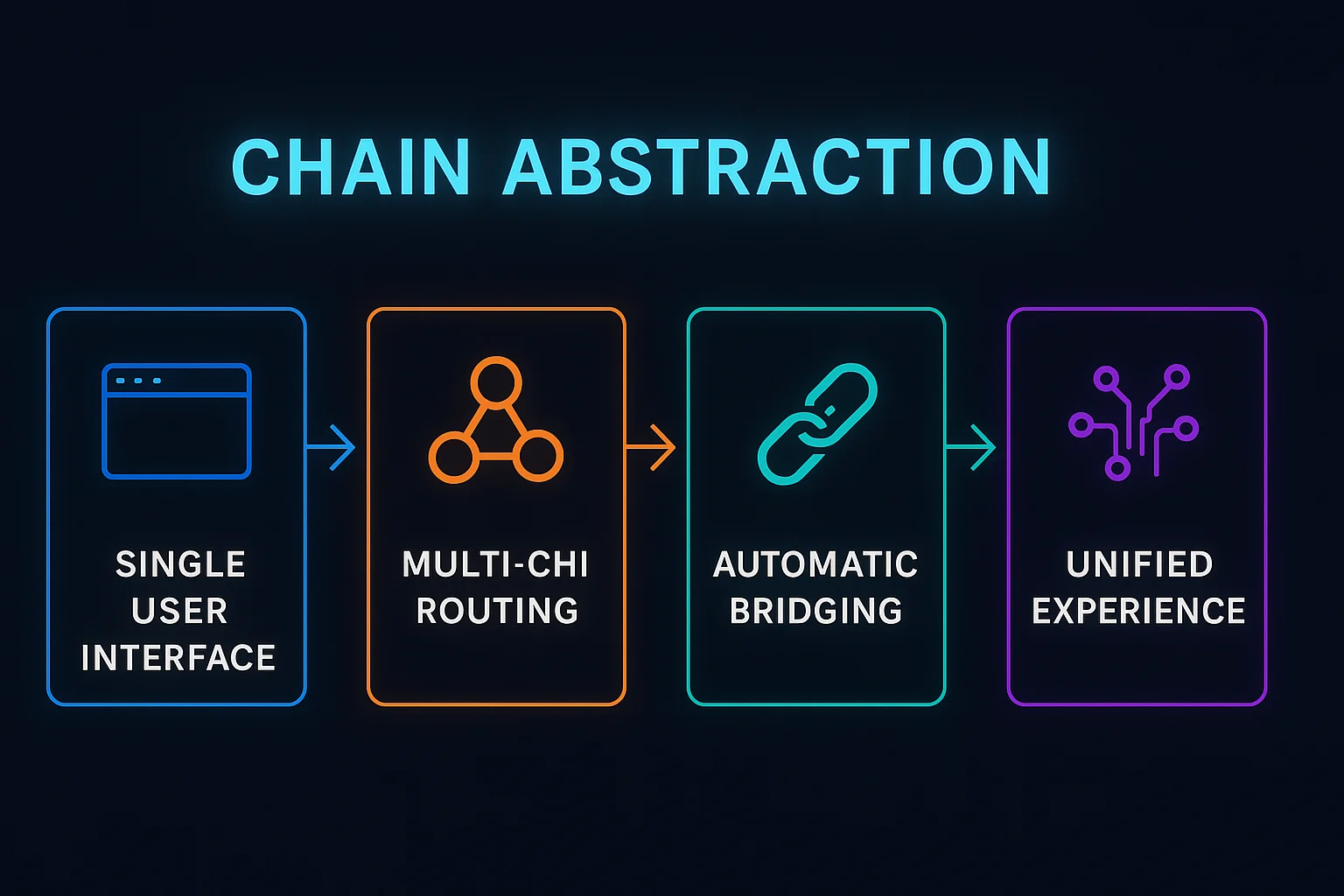
Chain abstraction flow showing single user interface, multi-chain routing, automatic bridging, and unified blockchain experience

Real-World Examples

  • Socket provides intent-based routing across chains for seamless user experiences
  • Li.Fi aggregates bridges and chains to create unified cross-chain interactions
  • Various wallet improvements that hide chain switching and bridging complexity

Why Beginners Should Care

Simplified onboarding eliminates the need to understand different networks, acquire gas tokens, or manage bridge operations manually.

Improved adoption potential as mainstream users can access multi-chain benefits without technical blockchain knowledge.

Hidden complexity may reduce user understanding of underlying risks like bridge security or network dependencies.

Related Terms: Cross-Chain, Intent-Based, Bridge Aggregator

Back to Crypto Glossary

Similar Posts

  • AMM

    AMM: Automated Market MakingAutomated Market Makers use mathematical formulas to price assets and facilitate trading without traditional order books. They're like vending machines for cryptocurrency trading.An Automated Market Maker (AMM) is a decentralized exchange mechanism that uses mathematical algorithms to price assets and facilitate trading through liquidity pools instead of order books. AMMs enable constant liquidity…

  • Cross-Chain Protocol

    Cross-Chain Protocol: Blockchain Communication StandardsCross-chain protocols establish standardized methods for different blockchain networks to communicate and transfer assets safely. They're like diplomatic translation services that enable countries speaking different languages to negotiate treaties and trade agreements.Cross-chain protocols are standardized communication frameworks that enable different blockchain networks to exchange information, transfer assets, and coordinate operations across…

  • Derivatives

    Derivatives: Financial Contracts Based on Underlying AssetsCryptocurrency derivatives are financial contracts whose value depends on underlying crypto assets. They're like betting on sports outcomes instead of playing the game yourself.Derivatives are financial instruments that derive their value from underlying cryptocurrency assets, enabling trading, hedging, and speculation without direct ownership of the base assets. These include futures,…

  • Real Yield

    Real Yield: Sustainable Revenue-Based Returns Real yield comes from actual protocol revenue rather than token emissions or inflationary rewards. It’s the difference between earning from productive business activity versus printing more money. Real yield refers to returns generated from genuine protocol revenue, fees, or value creation rather than token inflation or emissions. These yields can…

  • Asset Locking

    Asset Locking: Securing Value Across ChainsAsset locking involves securing cryptocurrency on one blockchain to enable representation or usage on another network. It's like putting money in escrow while you get a receipt to spend elsewhere.Asset locking refers to securing cryptocurrency tokens in smart contracts or custody solutions to enable their representation or usage on different…

  • Team Incentives

    Team Incentives: Aligning Development with SuccessTeam incentives structure compensation and motivation for cryptocurrency project developers and founders. They align team interests with long-term project success rather than short-term gains.Team incentives refer to compensation structures that motivate project teams to work toward long-term success rather than quick profits. These typically include token allocations with vesting schedules and…