
Sharding

Sharding: Splitting Networks for Speed

Sharding divides blockchain networks into smaller pieces that process transactions in parallel. It’s like adding more checkout lanes at the grocery store – same capacity, faster service.

Sharding is a scaling technique that splits a blockchain network into smaller, parallel chains called shards that process transactions independently. Each shard handles a subset of all transactions, dramatically increasing total network throughput.

How Sharding Works

Parallel processing allows multiple shards to process different transactions simultaneously instead of every node processing every transaction sequentially.

State partitioning divides account balances and smart contract data across shards so that most transactions only need to touch one shard for validation.

Cross-shard communication handles transactions that involve accounts or contracts on different shards, requiring coordination between multiple shard chains.
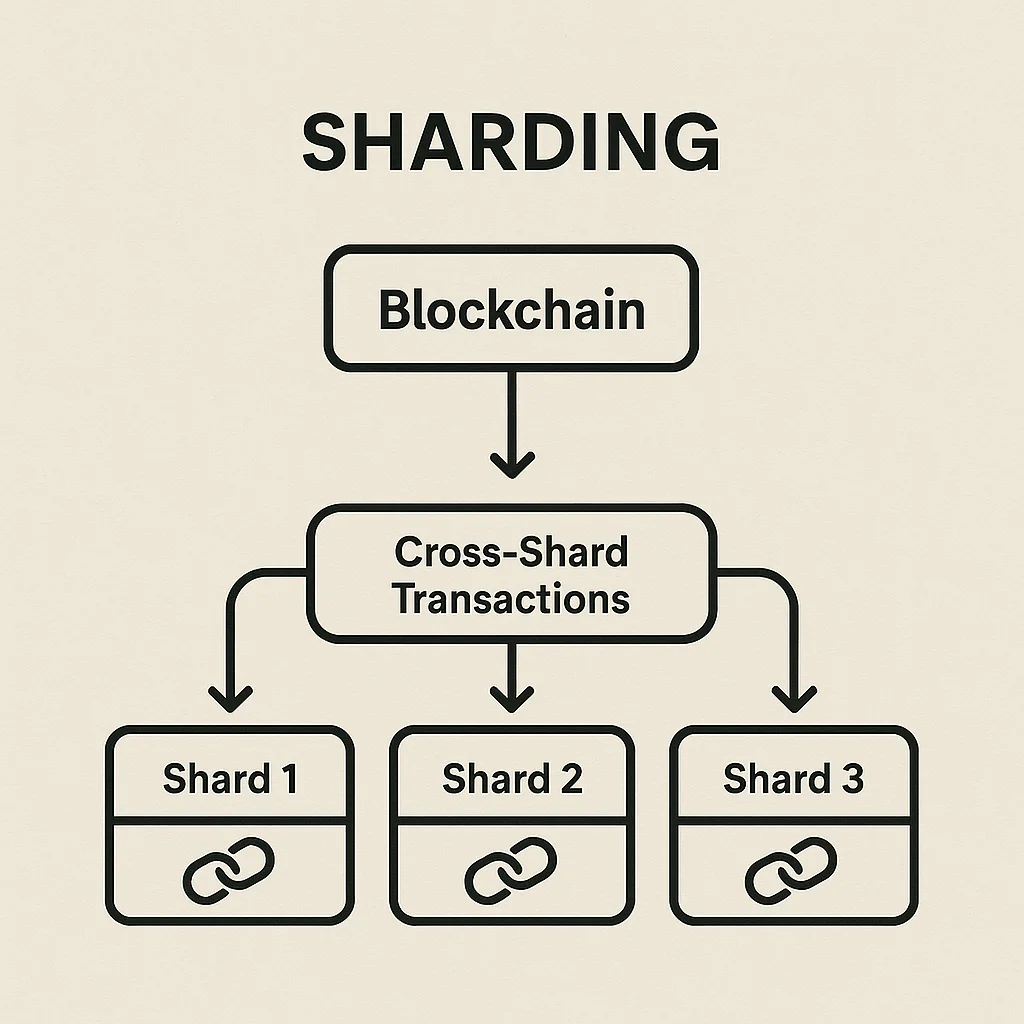
Diagram showing blockchain sharding with a main blockchain splitting into multiple parallel shards and cross-shard transaction bridges

Real-World Examples

  • Ethereum 2.0 plans 64 shard chains to increase transaction capacity dramatically
  • Zilliqa implemented sharding from launch, processing thousands of transactions per second
  • Near Protocol uses dynamic sharding that adjusts capacity based on network demand

Why Beginners Should Care

Scalability solutions like sharding aim to reduce transaction fees and confirmation times that currently limit blockchain adoption for everyday use.

Complexity increases with sharding as developers must consider cross-shard interactions and users might face different experiences depending on which shard their transactions use.

Security trade-offs exist since individual shards have less security than the full network, requiring careful design to prevent shard-specific attacks.

Related Terms: Layer 2, Scalability, Throughput, Cross-Chain

Back to Crypto Glossary

Similar Posts

  • Team Incentives

    Team Incentives: Aligning Development with SuccessTeam incentives structure compensation and motivation for cryptocurrency project developers and founders. They align team interests with long-term project success rather than short-term gains.Team incentives refer to compensation structures that motivate project teams to work toward long-term success rather than quick profits. These typically include token allocations with vesting schedules and…

  • Inflation

    Inflation: Currency Value ErosionInflation in cryptocurrency refers to the decrease in purchasing power when token supply increases faster than demand. It's like having your slice of pizza get smaller when the pizza is cut into more pieces, even though the whole pizza stays the same size.Inflation describes the reduction in purchasing power of cryptocurrency tokens…

  • Soulbound Token (SBT)

    Soulbound Token (SBT): Non-Transferable Achievements Soulbound tokens are NFTs that cannot be transferred or sold once received. They represent achievements, credentials, or identity elements that should remain permanently attached to specific individuals. A Soulbound Token (SBT) is a non-fungible token that is permanently bound to a specific wallet address and cannot be transferred or sold….

  • Paper Hands

    Paper Hands: Quick to Sell, Quick to Regret Paper hands describes investors who sell at the first sign of trouble or take profits too early. It’s crypto’s version of weak stomach syndrome. Paper hands refers to investors who sell their cryptocurrency holdings quickly due to fear, panic, or impatience rather than holding through volatility. The…

  • Smart Contract Compatibility

    Smart Contract Compatibility: Cross-Platform Code ExecutionSmart contract compatibility enables applications to run across different blockchain networks without modification. It's like writing software that works on both Windows and Mac without changes.Smart contract compatibility refers to the ability of smart contract code to execute on multiple blockchain platforms without requiring rewrites or significant modifications. This enables broader…

  • Scaling

    Scaling: Handling More TransactionsScaling refers to increasing a blockchain network's capacity to handle more transactions per second without sacrificing security or decentralization. It's the holy grail of blockchain development.Scaling in blockchain technology involves improving transaction throughput, reducing costs, and maintaining performance as networks grow in size and usage. This typically requires technical solutions that balance speed,…