
Layer 2

Layer 2: Scaling Solutions for Expensive Blockchains

Layer 2 networks solve Ethereum’s biggest problem – ridiculous gas fees. They process transactions cheaply and quickly while inheriting Ethereum’s security.

Layer 2 is a separate blockchain or protocol built on top of a main blockchain (Layer 1) to improve scalability and reduce transaction costs. These solutions handle transactions off the main chain, then batch settle results back to Layer 1.

How Layer 2 Works

Rollups bundle hundreds of transactions together and submit cryptographic proofs to Ethereum, splitting gas costs across many users. This reduces individual transaction fees from $50+ to under $1.

State channels allow parties to transact privately off-chain, only settling final balances on-chain. Think of it like opening a bar tab and paying the total at the end.

Sidechains operate as independent blockchains with their own consensus mechanisms, periodically checkpointing to the main chain for security.
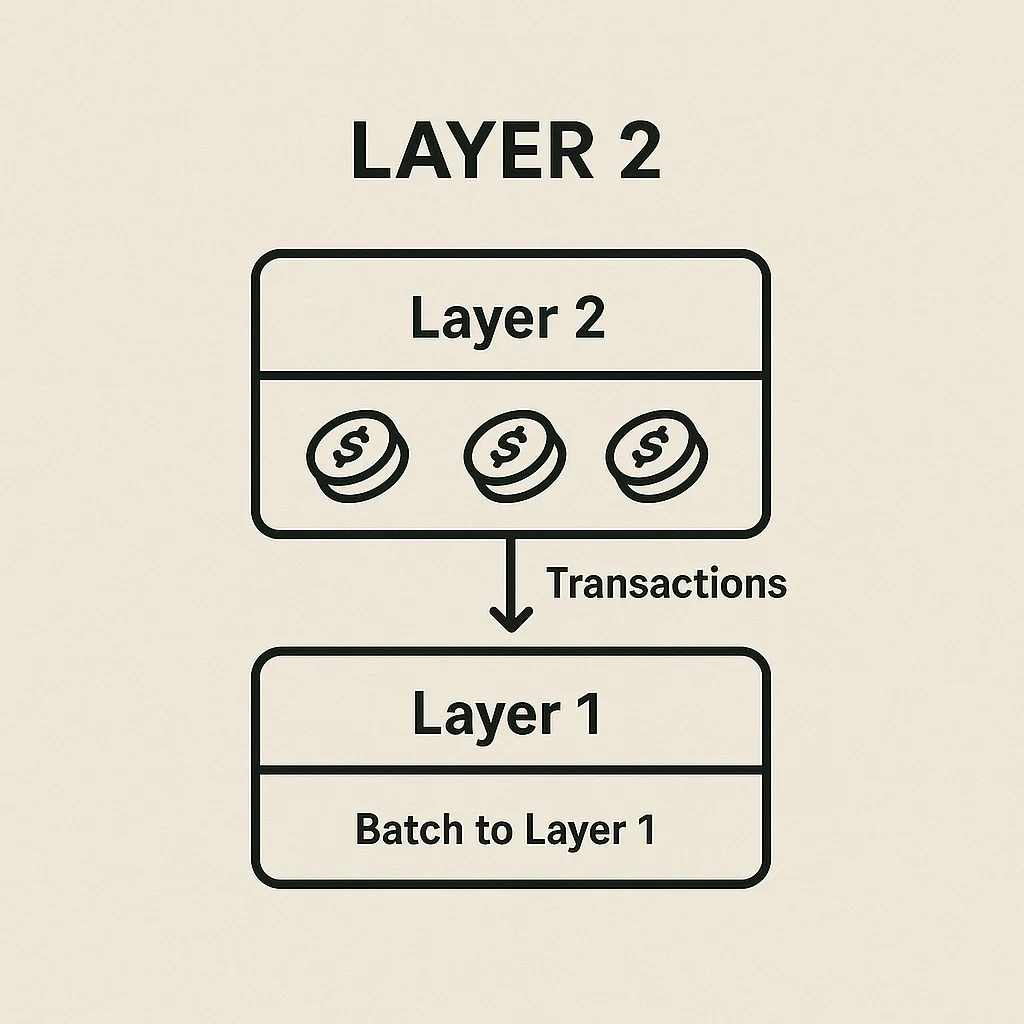
Infographic diagram showing transactions processed on Layer 2 and batched to Layer 1 for final settlement

Real-World Examples

  • Polygon – Popular sidechain with sub-cent transaction fees
  • Arbitrum – Optimistic rollup with major DeFi protocol support
  • Lightning Network – Bitcoin’s Layer 2 for instant micropayments

Why Beginners Should Care

Layer 2 makes DeFi accessible to normal people. Instead of paying $100 in gas fees to swap $500 worth of tokens, you pay $2 and get the same security guarantees.

Start with Layer 2 for learning DeFi. Polygon and Arbitrum offer the same protocols as Ethereum mainnet but with affordable transaction costs for experimentation.

Bridge assets carefully between layers – bridge contracts are common targets for hackers and exploits.

Related Terms: Ethereum, Gas Fees, Rollups, Bridge

Back to Crypto Glossary

Similar Posts

  • Computational Mining

    Computational Mining: Earning Through Processing PowerComputational mining involves providing computer processing power to networks in exchange for cryptocurrency rewards. It's like renting out your computer's brain for digital money.Computational mining refers to using computer hardware to perform calculations for blockchain networks or distributed computing projects in exchange for cryptocurrency payments. This enables monetizing spare computing resources.How…

  • Governance Participation

    Governance Participation: Active Protocol InvolvementGovernance participation involves actively engaging in decision-making processes for cryptocurrency projects and protocols. It's like being an active citizen who votes and participates in community decisions.Governance participation refers to active involvement in protocol decision-making through voting, proposal creation, delegation, and other governance mechanisms. This enables community members to influence project direction and…

  • Voting

    Voting: Decentralized Decision MakingVoting in cryptocurrency enables token holders to participate in governance decisions that shape project direction and protocol changes. It's like being a shareholder who can vote on company decisions, except the company is a decentralized protocol owned by its users.Voting refers to the democratic process where cryptocurrency token holders express preferences on…

  • Multichain Router

    Multichain Router: Cross-Chain Navigation Multichain routers find optimal paths for moving assets between different blockchain networks. They’re like GPS for cross-chain transactions, finding the cheapest and fastest routes. A multichain router is a protocol that automatically finds the best path for transferring assets between different blockchain networks. It compares routes across multiple bridges and chains…

  • |

    zkEVM

    zkEVM: Zero-Knowledge Ethereum Virtual Machine zkEVM provides Ethereum compatibility with zero-knowledge proof validation, enabling existing dApps to run on faster, cheaper networks while maintaining security. It’s like having Ethereum that’s been turbocharged with privacy and speed. zkEVM is a zero-knowledge virtual machine that executes Ethereum transactions and smart contracts while generating cryptographic proofs of correct…

  • Hard Fork

    Hard Fork: Splitting the Blockchain Hard forks create permanent splits in blockchain networks, often resulting in two separate cryptocurrencies. They’re like corporate divorces – messy, dramatic, and usually involving lots of arguing about money. A hard fork is a permanent change to a blockchain’s protocol that makes previously invalid blocks valid, or vice versa, requiring…