
On-Chain Reputation

On-Chain Reputation: Verifiable Digital Standing

On-chain reputation tracks user behavior and achievements through permanent blockchain records. It’s like having a credit score built from your entire crypto transaction history.

On-chain reputation systems create verifiable records of user behavior, achievements, and interactions that persist across applications and can’t be faked or manipulated. These systems enable trust and social coordination in decentralized environments.

How On-Chain Reputation Works

Behavioral tracking monitors user actions like loan repayments, governance participation, or protocol contributions to build comprehensive reputation profiles.

Composable scoring allows different applications to read and build upon existing reputation data rather than starting from scratch.

Immutable records ensure reputation history can’t be deleted or modified, creating permanent accountability for past actions and decisions.
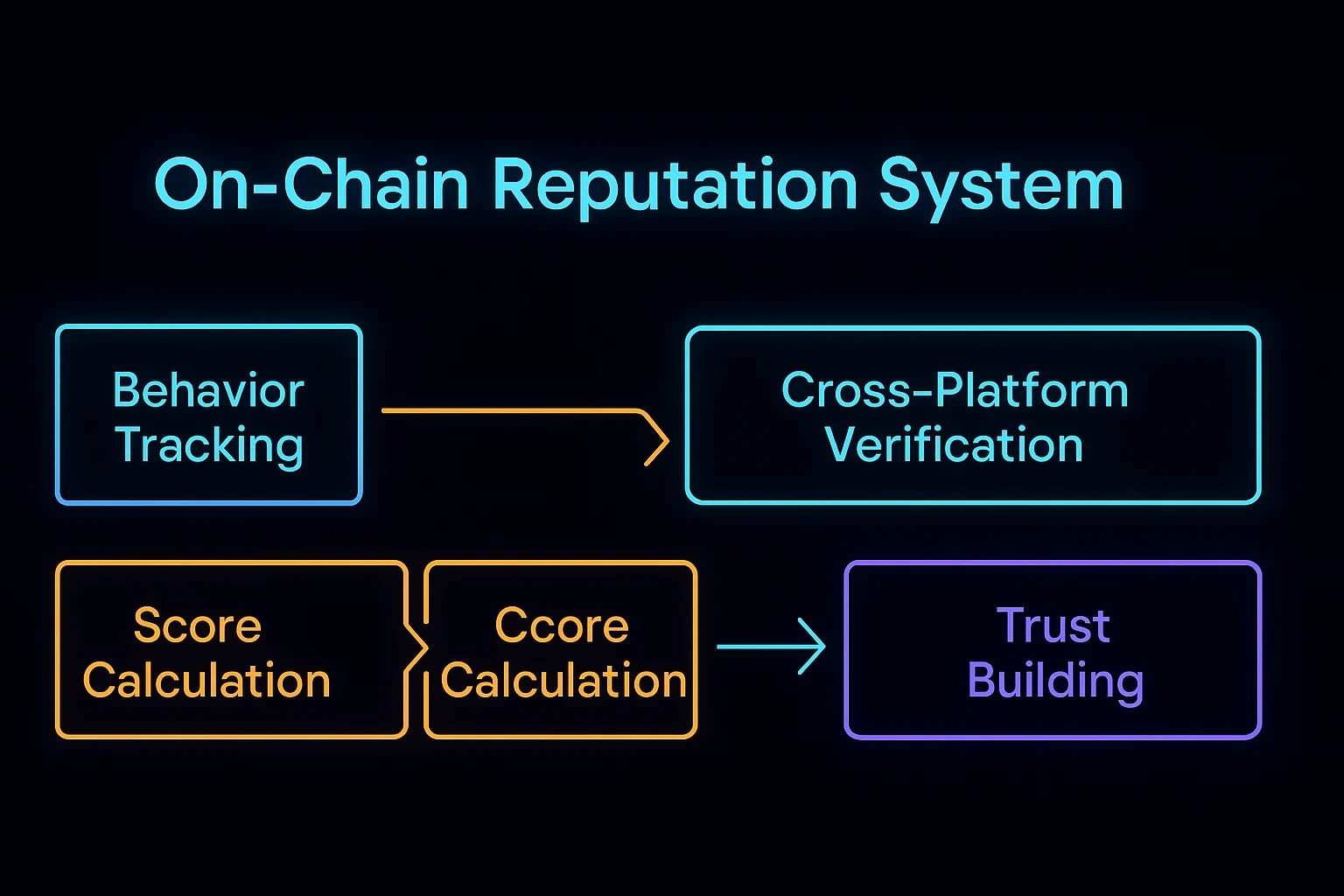
On-chain reputation system flow showing behavior tracking, score calculation, cross-platform verification, and trust building

Real-World Examples

  • ARCx creates DeFi passport scores based on lending behavior and protocol usage
  • Gitcoin Passport aggregates various identity and activity signals for reputation scoring
  • DegenScore ranks wallet addresses based on DeFi activity and expertise signals

Why Beginners Should Care

Trust building in pseudonymous environments where traditional identity verification isn’t possible or desired.

Access benefits as high reputation scores may unlock better borrowing rates, exclusive opportunities, or governance privileges.

Privacy implications since comprehensive behavior tracking can reveal significant personal information about users’ activities and preferences.

Related Terms: Soulbound Token, Decentralized Identity, Governance Participation

Back to Crypto Glossary

Similar Posts

  • Token Allocation

    Token Allocation: Distributing Digital AssetsToken allocation determines how cryptocurrency tokens are distributed among different stakeholders like teams, investors, and communities. It's the blueprint for who gets what in crypto projects.Token allocation refers to the distribution plan for cryptocurrency tokens among various stakeholder groups including development teams, early investors, community members, and ecosystem development funds. This distribution…

  • Market Manipulation

    Market Manipulation: Artificial Price ControlMarket manipulation involves artificially influencing cryptocurrency prices through coordinated trading, false information, or abusive practices. It's financial fraud adapted for the digital age.Market manipulation refers to illegal or unethical activities designed to artificially inflate or deflate cryptocurrency prices for personal gain. These activities harm other investors and distort natural price discovery mechanisms.How…

  • Multi-Signature (Multisig)

    Multi-Signature (Multisig): Shared Control for Enhanced Security Multisig wallets require multiple signatures to authorize transactions. It’s like requiring multiple keys to open a safe – no single person can move funds alone. Multi-signature (multisig) is a wallet configuration that requires signatures from multiple private keys to authorize transactions. Common setups include 2-of-3 (any 2 signatures…

  • Front Running

    Front Running: Trading Ahead of OthersFront running involves placing trades ahead of known pending transactions to profit from anticipated price movements. It's like cutting in line when you know someone behind you will move the market.Front running is the practice of placing trades based on advance knowledge of pending transactions that will likely affect asset…

  • Stable Yield

    Stable Yield: Predictable DeFi Returns Stable yield refers to DeFi strategies that provide consistent returns with lower volatility than traditional yield farming. It’s like finding the boring but reliable investment in a casino full of slot machines. Stable yield strategies focus on generating consistent returns from DeFi protocols with lower risk and volatility than high-APY…

  • Cross-Chain Bridge

    Cross-Chain Bridge: Connecting Blockchain Islands Cross-chain bridges move assets between different blockchains, connecting isolated cryptocurrency ecosystems. They’re the highways between blockchain cities, but sometimes the bridges collapse. A cross-chain bridge is a protocol that enables the transfer of tokens, data, or smart contract calls between different blockchain networks. Bridges solve blockchain interoperability by creating connections…