
Rug Detector

Rug Detector: Automated Scam Identification

Rug detectors are tools that analyze token contracts and trading patterns to identify potential rug pulls before they happen. They’re like having a fraud investigator built into your trading interface.

A rug detector is software that automatically analyzes cryptocurrency projects for red flags that indicate potential rug pulls or exit scams. These tools examine smart contract code, tokenomics, and trading patterns to warn users about suspicious projects.

How Rug Detectors Work

Contract analysis examines smart contract code for hidden functions, unlimited minting capabilities, or liquidity extraction mechanisms that enable rug pulls.

Pattern recognition identifies suspicious trading activities like concentrated token ownership, locked liquidity timeframes, or unusual price movements.

Risk scoring combines multiple factors into overall risk assessments that help users make informed decisions about project legitimacy.
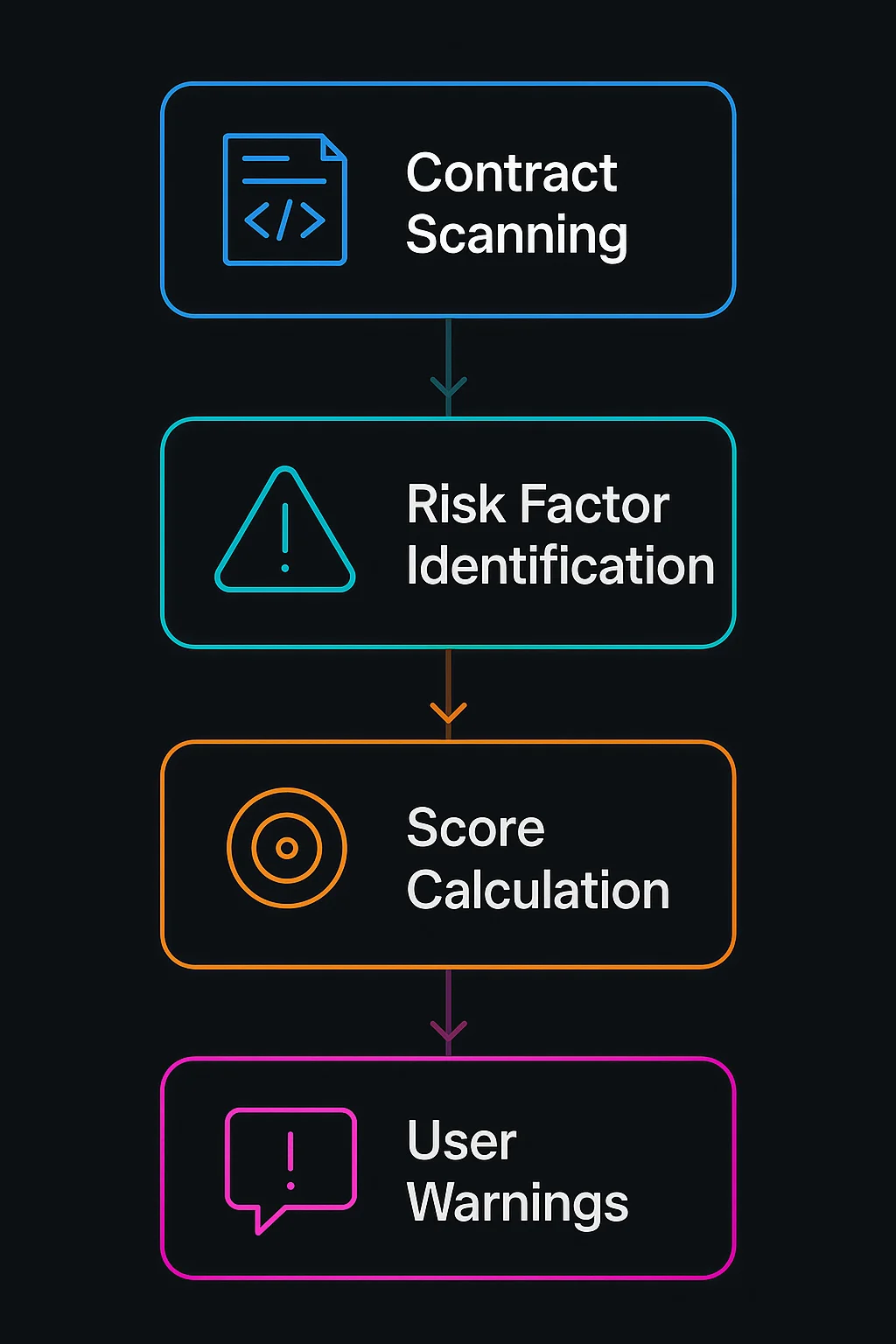
Rug detector flowchart showing contract scanning, risk identification, score calculation, and user warnings

Real-World Examples

  • Token Sniffer analyzes BSC and Ethereum tokens for rug pull indicators
  • RugDoc provides detailed project audits and risk assessments
  • DexTools integrates rug detection features into trading interfaces

Why Beginners Should Care

Early warning system for potentially fraudulent projects before significant community losses occur.

False positives can incorrectly flag legitimate projects, requiring users to understand analysis limitations and conduct additional research.

Evolving threats as scammers adapt to detection methods, requiring continuous updates to rug detection algorithms and risk factors.

Related Terms: Rug Pull, Smart Contract Analysis, Due Diligence, Risk Assessment

Back to Crypto Glossary

Similar Posts

  • Dark Web

    Dark Web: Hidden Internet NetworksThe dark web consists of encrypted online networks accessible only through specialized software like Tor. It's where privacy advocates and criminals both hang out, but for very different reasons.The dark web refers to encrypted online content that exists on overlay networks requiring specific software, configurations, or authorization to access. Unlike the regular…

  • Compliance

    Compliance: Following Regulatory RequirementsCompliance involves adhering to laws, regulations, and industry standards that govern cryptocurrency activities. It's like following traffic laws, but for digital money and blockchain businesses.Compliance refers to conforming with applicable laws, regulations, licensing requirements, and industry standards for cryptocurrency operations. This includes financial regulations, tax obligations, and consumer protection measures.How Crypto Compliance WorksRegulatory…

  • AMM

    AMM: Automated Market MakingAutomated Market Makers use mathematical formulas to price assets and facilitate trading without traditional order books. They're like vending machines for cryptocurrency trading.An Automated Market Maker (AMM) is a decentralized exchange mechanism that uses mathematical algorithms to price assets and facilitate trading through liquidity pools instead of order books. AMMs enable constant liquidity…

  • Interoperability

    Interoperability: Blockchain Networks Working TogetherInteroperability enables different blockchain networks to communicate and share information seamlessly. It's like having universal translators for blockchain languages.Interoperability refers to the ability of different blockchain networks to communicate, share data, and interact with each other without requiring centralized intermediaries. This enables cross-chain applications and unified user experiences.How Blockchain Interoperability WorksCross-chain protocols enable…

  • Transaction Approval

    Transaction Approval: Authorizing Blockchain ActionsTransaction approval is the process of authorizing blockchain operations through wallet signatures or smart contract permissions. It's like signing checks, but with permanent consequences.Transaction approval involves granting permission for blockchain operations through cryptographic signatures, smart contract interactions, or delegation mechanisms. These approvals authorize spending, contract execution, or account access.How Transaction Approval WorksSignature…

  • Spam

    Spam: Unwanted Blockchain TransactionsSpam in cryptocurrency refers to unwanted or low-value transactions that clog networks and waste resources. It's like junk mail but for blockchain networks.Spam consists of unwanted transactions, messages, or data that consume network resources without providing legitimate value. These activities can degrade network performance and increase costs for legitimate users.How Crypto Spam WorksNetwork…