
Tokenization

Tokenization: Converting Assets into Digital Tokens

Tokenization transforms real-world assets into blockchain-based tokens that can be traded, divided, and managed digitally. It’s like turning everything into tradeable game pieces.

Tokenization is the process of converting ownership rights to assets into digital tokens on a blockchain. This enables fractional ownership, easier trading, and programmable functionality for traditionally illiquid or indivisible assets.

How Tokenization Works

Asset representation creates digital tokens that correspond to ownership stakes in physical assets, intellectual property, or financial instruments.

Fractional ownership enables dividing expensive assets like real estate or artwork into smaller, more affordable investment units.

Smart contract automation can handle distributions, voting rights, and other asset management functions through programmable code.
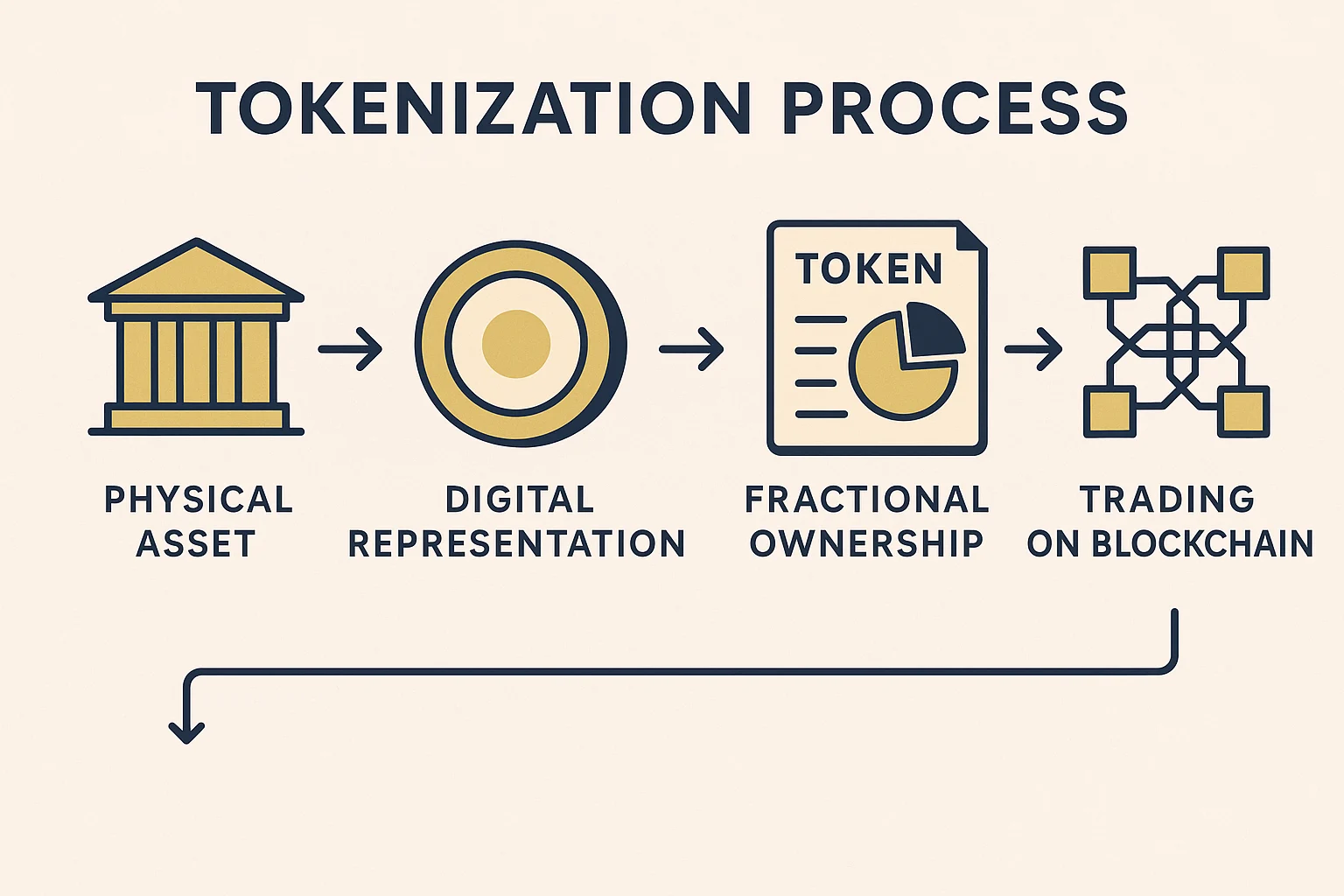
Infographic showing tokenization process: physical asset, digital representation, fractional ownership, and blockchain-based trading

Real-World Examples

  • Real estate tokens representing ownership shares in commercial or residential properties
  • Art tokenization enabling fractional ownership of expensive paintings or collectibles
  • Company equity tokens that provide ownership stakes and voting rights in businesses

Why Beginners Should Care

Access expansion to investment opportunities previously available only to wealthy individuals or institutions through fractional ownership.

Liquidity improvement for traditionally illiquid assets that can now be traded 24/7 on global markets.

Regulatory complexity as tokenized assets often fall under securities regulations that vary by jurisdiction and asset type.

Related Terms: Security Token, Fractional Ownership, Asset Backing, Digital Securities

Back to Crypto Glossary

Similar Posts

  • Anti-Sybil Mechanism

    Anti-Sybil Mechanism: Preventing Fake Identity Attacks Anti-Sybil mechanisms prevent individuals from creating multiple fake identities to gain unfair advantages in voting, airdrops, or governance systems. They’re like requiring photo ID to prevent ballot stuffing. Anti-Sybil mechanisms are systems designed to prevent or detect when single entities create multiple fake identities to manipulate voting, governance, or…

  • Team Incentives

    Team Incentives: Aligning Development with SuccessTeam incentives structure compensation and motivation for cryptocurrency project developers and founders. They align team interests with long-term project success rather than short-term gains.Team incentives refer to compensation structures that motivate project teams to work toward long-term success rather than quick profits. These typically include token allocations with vesting schedules and…

  • Sybil Attack

    Sybil Attack: Fake Identity Manipulation Sybil attacks involve creating multiple fake identities to gain disproportionate influence in networks that assume one person equals one vote. It’s like stuffing the ballot box with imaginary voters. A Sybil attack is when an individual or entity creates multiple fake identities to gain unfair influence over a network, voting…

  • Modular Execution Layer

    Modular Execution Layer: Specialized Transaction Processing Modular execution layers handle transaction processing separately from consensus and data availability. It’s like having specialized assembly lines instead of one worker doing everything. A modular execution layer is a specialized blockchain component that focuses solely on processing transactions and executing smart contracts while relying on other layers for…

  • Block Reward

    Block Reward: Miner and Validator Compensation Block rewards are the cryptocurrency payments that miners and validators receive for successfully adding new blocks to the blockchain. It’s how networks incentivize security without charging transaction fees. Block reward is the amount of cryptocurrency awarded to miners or validators for successfully creating and validating a new block on…

  • Algorithmic Trading

    Algorithmic Trading: Automated Trading StrategiesAlgorithmic trading uses computer programs to execute trades based on predetermined rules and market conditions. It's like having a robot trader that never sleeps and follows your strategy perfectly.Algorithmic trading involves using computer algorithms to automatically execute cryptocurrency trades based on predefined strategies, market signals, and risk parameters. These systems can operate…