
Whitelisting

Whitelisting: VIP Access to Token Sales

Whitelisting gives select addresses permission to participate in exclusive token sales or access restricted features. It’s crypto’s version of the velvet rope at exclusive clubs.

Whitelisting is the process of pre-approving wallet addresses for participation in token sales, exclusive features, or special privileges within crypto projects. Only whitelisted addresses can participate in restricted activities or access limited opportunities.

How Whitelisting Works

Application processes often require social media engagement, community participation, or completing specific tasks to demonstrate genuine interest rather than pure speculation.

KYC verification may be required for regulatory compliance, especially for larger token sales that need to verify investor accreditation or geographic eligibility.

Limited slots create scarcity and FOMO as projects often have more interested participants than available whitelist positions.
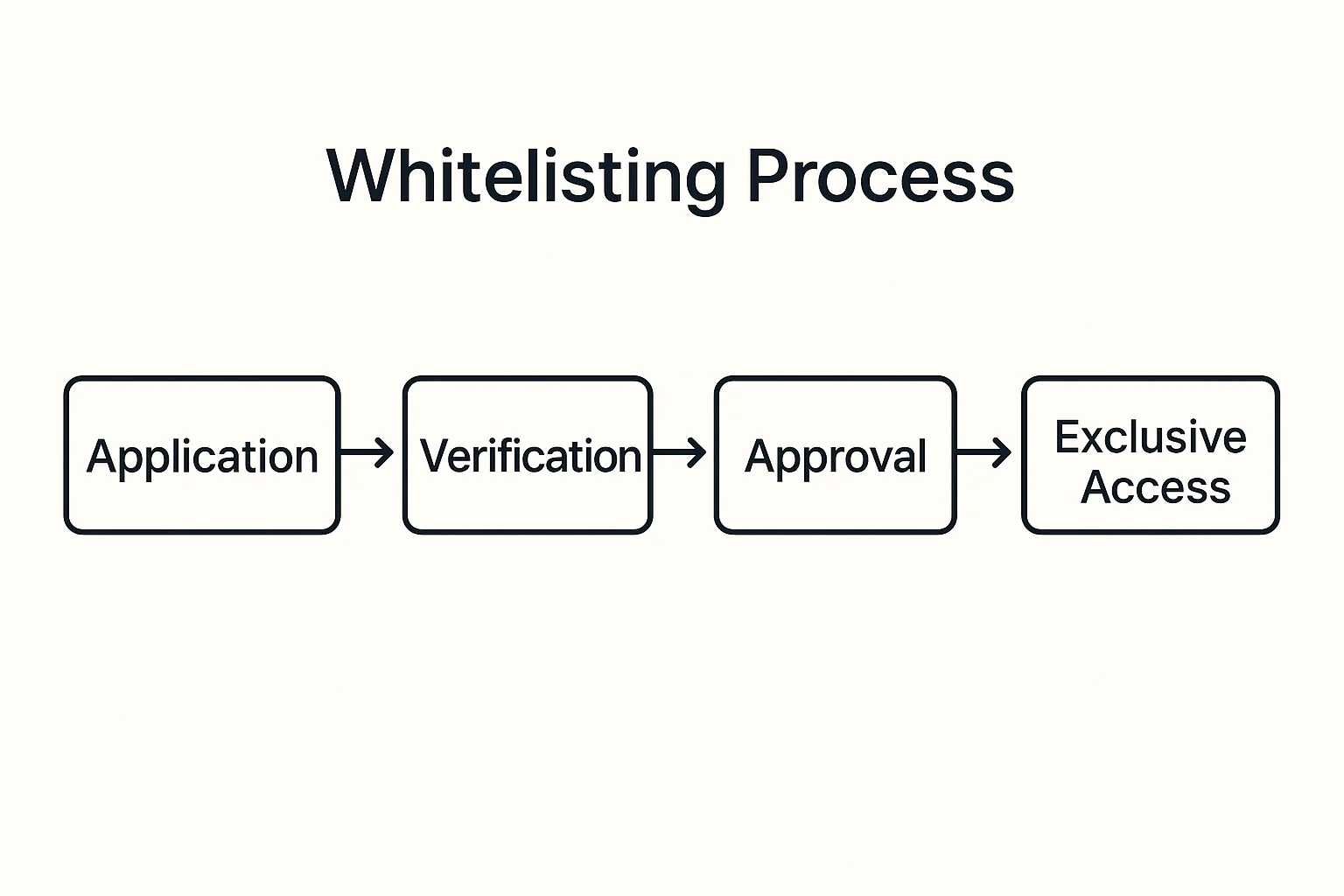
Whitelisting process flowchart showing application, verification, approval, and exclusive access stages.

Real-World Examples

  • NFT project whitelists give early supporters guaranteed minting opportunities before public sales
  • DeFi protocol launches often whitelist early community members for governance token distributions
  • Gaming token sales use whitelists to ensure dedicated players get priority access over speculators

Why Beginners Should Care

Exclusive opportunities through whitelisting can provide access to better prices or guaranteed allocations in popular token sales that quickly sell out.

Time investment required for whitelisting often involves significant community engagement without guaranteed acceptance or profitable outcomes.

Scam potential exists as fake projects use whitelist processes to collect personal information or wallet addresses for phishing attacks.

Related Terms: Token Sale, KYC, Launchpad, Community

Back to Crypto Glossary

Similar Posts

  • Atomic Swap

    Atomic Swap: Trustless Cross-Chain Trading Atomic swaps enable direct trading between different cryptocurrencies without exchanges or intermediaries. Either both trades complete successfully, or neither happens – no middle ground. An atomic swap is a smart contract technology that enables the exchange of cryptocurrencies from different blockchains without requiring a trusted third party. The swap either…

  • Structured Products

    Structured Products: Complex Financial InstrumentsStructured products combine multiple financial instruments to create customized risk-return profiles for specific investment objectives. They're like elaborate recipe combinations that mix different financial ingredients to create unique investment flavors tailored to particular tastes.Structured products are complex financial instruments that combine derivatives, traditional assets, or cryptocurrencies to create customized investment products…

  • Collateral Ratio

    Collateral Ratio: Loan Security MeasurementCollateral ratio measures the value of assets securing a loan compared to the loan amount. It's like the down payment percentage when buying a house with a mortgage.Collateral ratio is the percentage relationship between the value of collateral assets and the amount borrowed against them. Higher ratios provide more security for lenders…

  • Address Clustering

    Address Clustering: Connecting Wallet IdentitiesAddress clustering analyzes blockchain transactions to identify which addresses likely belong to the same user or entity. It's like detective work for digital money trails.Address clustering is a blockchain analysis technique that groups cryptocurrency addresses believed to belong to the same user or entity based on transaction patterns and shared inputs. This…

  • Centralization Risk

    Centralization Risk: Single Point of Failure DangersCentralization risk refers to vulnerabilities created when critical functions are controlled by single entities rather than distributed among many participants. It's like having all eggs in one basket that could break everything at once.Centralization risk encompasses the potential negative impacts when blockchain networks, applications, or services become overly dependent…

  • Fair Distribution

    Fair Distribution: Equitable Token AllocationFair distribution refers to token allocation methods that avoid excessive concentration among founders, early investors, or privileged groups. It's like ensuring everyone gets an equal chance to participate in a community project rather than giving all the benefits to insiders.Fair distribution describes token allocation strategies that provide broad, equitable access to…