
Rug Detector

Rug Detector: Automated Scam Identification

Rug detectors are tools that analyze token contracts and trading patterns to identify potential rug pulls before they happen. They’re like having a fraud investigator built into your trading interface.

A rug detector is software that automatically analyzes cryptocurrency projects for red flags that indicate potential rug pulls or exit scams. These tools examine smart contract code, tokenomics, and trading patterns to warn users about suspicious projects.

How Rug Detectors Work

Contract analysis examines smart contract code for hidden functions, unlimited minting capabilities, or liquidity extraction mechanisms that enable rug pulls.

Pattern recognition identifies suspicious trading activities like concentrated token ownership, locked liquidity timeframes, or unusual price movements.

Risk scoring combines multiple factors into overall risk assessments that help users make informed decisions about project legitimacy.
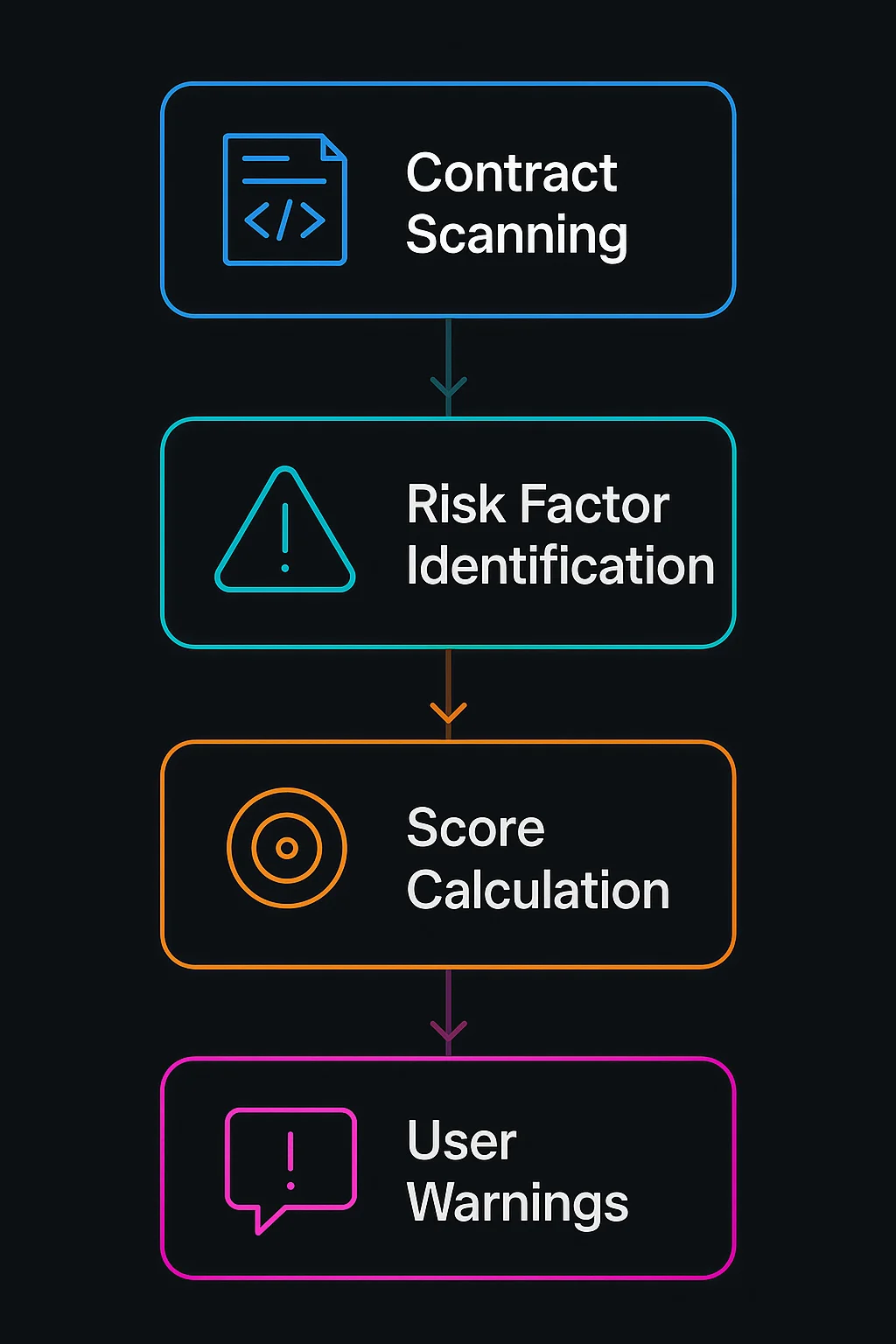
Rug detector flowchart showing contract scanning, risk identification, score calculation, and user warnings

Real-World Examples

  • Token Sniffer analyzes BSC and Ethereum tokens for rug pull indicators
  • RugDoc provides detailed project audits and risk assessments
  • DexTools integrates rug detection features into trading interfaces

Why Beginners Should Care

Early warning system for potentially fraudulent projects before significant community losses occur.

False positives can incorrectly flag legitimate projects, requiring users to understand analysis limitations and conduct additional research.

Evolving threats as scammers adapt to detection methods, requiring continuous updates to rug detection algorithms and risk factors.

Related Terms: Rug Pull, Smart Contract Analysis, Due Diligence, Risk Assessment

Back to Crypto Glossary

Similar Posts

  • Asset Locking

    Asset Locking: Securing Value Across ChainsAsset locking involves securing cryptocurrency on one blockchain to enable representation or usage on another network. It's like putting money in escrow while you get a receipt to spend elsewhere.Asset locking refers to securing cryptocurrency tokens in smart contracts or custody solutions to enable their representation or usage on different…

  • Dynamic NFTs (dNFTs)

    Dynamic NFTs (dNFTs): Evolving Digital Assets Dynamic NFTs can change their metadata, appearance, or properties based on external data or on-chain events. They’re like digital collectibles that grow and evolve over time. Dynamic NFTs (dNFTs) are non-fungible tokens that can modify their metadata, attributes, or visual appearance in response to external data feeds, user actions,…

  • Voting

    Voting: Decentralized Decision MakingVoting in cryptocurrency enables token holders to participate in governance decisions that shape project direction and protocol changes. It's like being a shareholder who can vote on company decisions, except the company is a decentralized protocol owned by its users.Voting refers to the democratic process where cryptocurrency token holders express preferences on…

  • Smart Contract Risk

    Smart Contract Risk: Code-Based VulnerabilitiesSmart contract risk encompasses all potential vulnerabilities and failures in automated blockchain programs. It's like the risk that the software controlling your digital money might have bugs or be exploited.Smart contract risk refers to potential losses from bugs, vulnerabilities, exploits, or unexpected behavior in smart contract code that controls cryptocurrency assets…

  • EIP-1559

    EIP-1559: Ethereum's Fee ReformEIP-1559 reformed Ethereum's fee structure by introducing base fees that get burned and optional tips for miners. It's like switching from auction-based pricing to more predictable fee markets.EIP-1559 (Ethereum Improvement Proposal 1559) changed how Ethereum calculates and processes transaction fees by introducing a base fee that gets burned and making fee estimation…

  • Dark Web

    Dark Web: Hidden Internet NetworksThe dark web consists of encrypted online networks accessible only through specialized software like Tor. It's where privacy advocates and criminals both hang out, but for very different reasons.The dark web refers to encrypted online content that exists on overlay networks requiring specific software, configurations, or authorization to access. Unlike the regular…