
Whale

Whale: The Big Players Who Move Markets

In crypto, whales are individuals or entities holding massive amounts of cryptocurrency. When whales move, markets tremble.

A whale is someone who holds enough cryptocurrency to significantly influence market prices through their trading decisions. For Bitcoin, this typically means holding 1,000+ BTC (worth $30+ million at current prices).

How Whales Impact Markets

Large trades by whales can cause dramatic price movements. A single whale selling 5,000 Bitcoin can crash the price by 10%+ in minutes, especially during low-liquidity periods.

Whale watching has become an industry. Blockchain analysis firms track large wallet movements and alert traders when whales start moving funds, often signaling major price changes.

Some whales coordinate their actions, creating unofficial cartels that can manipulate smaller cryptocurrency markets through coordinated buying or selling.
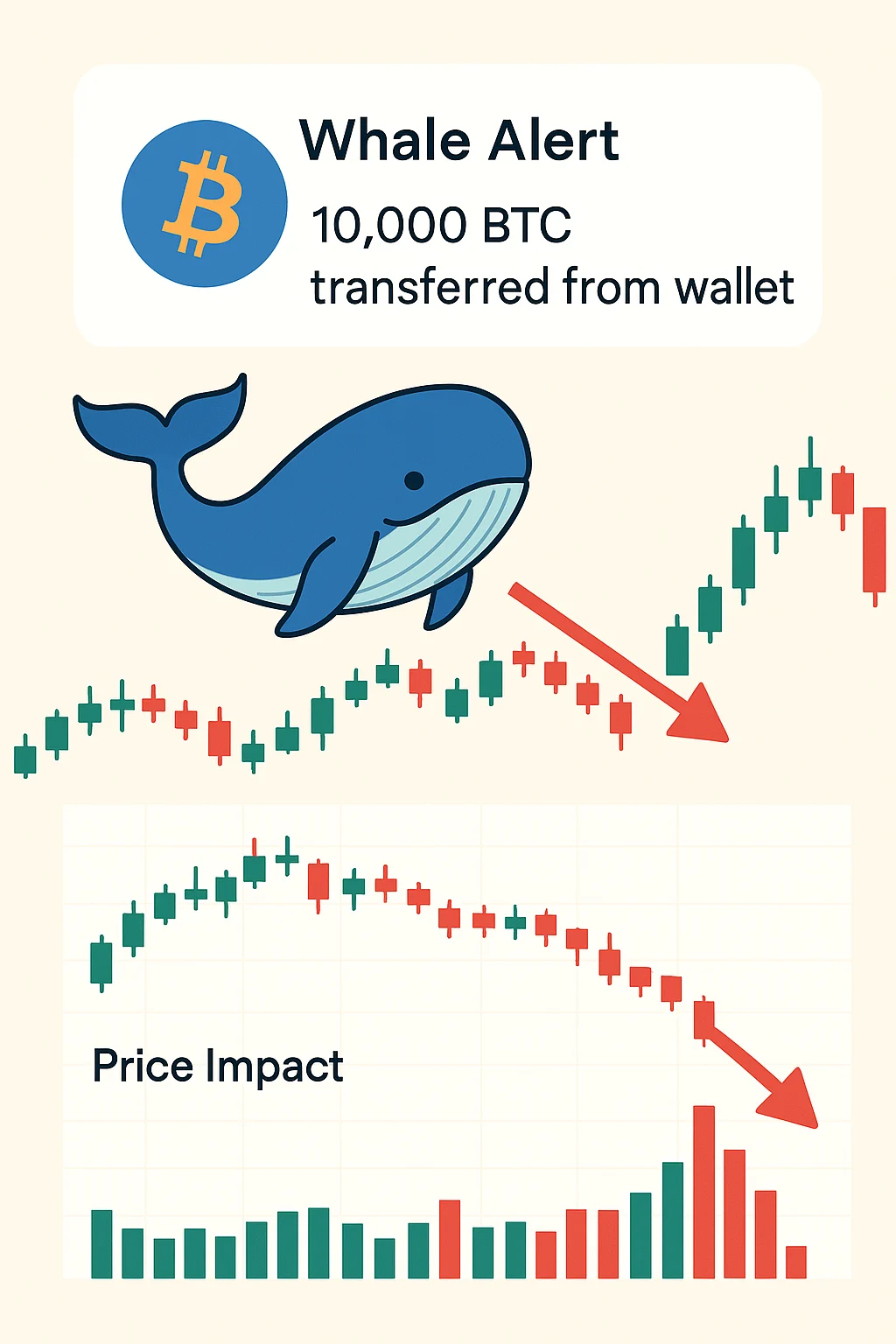
Bitcoin whale alert showing 10,000 BTC transferred from wallet with price chart impact

Real-World Examples

  • Michael Saylor/MicroStrategy – Holds over 190,000 Bitcoin
  • Ethereum Foundation – Large ETH holder that occasionally sells for funding
  • Early adopters – Bitcoin addresses from 2009-2011 containing thousands of coins

Why Beginners Should Care

Understanding whale behavior helps explain seemingly random price movements. When Bitcoin suddenly drops 15% with no news, check if major whale wallets moved coins to exchanges.

Whale movements often precede major market shifts. Whales accumulating during bear markets or distributing during bull markets can signal trend changes before retail investors notice.

Follow whale alert services to get early warnings about potential market-moving events.

Related Terms: Market Cap, Liquidity, Pump and Dump, Market Manipulation

Back to Crypto Glossary

Similar Posts

  • Chainlink

    Chainlink: Decentralized Oracle NetworkChainlink is a decentralized oracle network that connects blockchains to external data sources and APIs. It's like a bridge that brings real-world information into smart contracts.Chainlink is a decentralized oracle network that provides reliable, tamper-proof data feeds to smart contracts on various blockchain networks. It solves the oracle problem by aggregating data from…

  • Liquidity Lock

    Liquidity Lock: Securing Trading LiquidityLiquidity lock prevents withdrawal of trading liquidity for specified time periods to ensure market stability and prevent rug pulls. It's like putting trading funds in a time-locked safe that can't be opened early.Liquidity lock refers to mechanisms that prevent withdrawal of liquidity provider tokens or trading pair liquidity for predetermined time…

  • Custom Blockchain

    Custom Blockchain: Purpose-Built NetworksA custom blockchain is a network designed for specific use cases rather than general-purpose applications. It's like building a specialized tool for a particular job instead of using a multi-purpose tool.A custom blockchain is a purpose-built blockchain network designed to meet specific requirements for particular applications or use cases. These networks optimize for…

  • Order Matching

    Order Matching: Connecting Buyers and SellersOrder matching is the process of pairing buy and sell orders to execute trades on exchanges. It's like a digital matchmaker that finds the perfect trading partners for each transaction.Order matching refers to the algorithmic process that pairs compatible buy and sell orders to execute trades at agreed prices on…

  • Permit (EIP-2612)

    Permit (EIP-2612): Gasless Approvals Permit functionality allows token approvals through signatures instead of transactions, enabling gasless user experiences for DeFi interactions. It’s like signing a check instead of going to the bank. Permit (EIP-2612) is a token standard that enables gasless approvals through cryptographic signatures rather than on-chain transactions. Users can authorize token spending without…

  • Throughput

    Throughput: Network Processing CapacityThroughput measures how many transactions a blockchain network can process per second. It's like measuring how many cars can drive through a highway during rush hour.Throughput refers to the number of transactions a blockchain network can process within a given time period, typically measured in transactions per second (TPS). Higher throughput enables more…