
Minting

Minting: Creating New Tokens or NFTs

Minting is the moment digital assets come into existence. Whether it’s new cryptocurrency tokens or unique NFTs, minting transforms code into valuable digital property.

Minting is the process of creating new tokens or NFTs by executing a smart contract function that adds them to a blockchain. It’s like printing new money, except the “printing press” is programmable code with predetermined rules.

How Minting Works

Smart contracts contain minting functions that create new tokens when called. For cryptocurrencies, this might happen automatically as rewards. For NFTs, users typically trigger minting by paying gas fees.

Minting limits prevent infinite token creation. Many projects set maximum supplies or minting rates to control scarcity and maintain value.

Minting costs include gas fees plus any fees set by the project. Popular NFT drops can cost $100+ in gas during high demand periods.
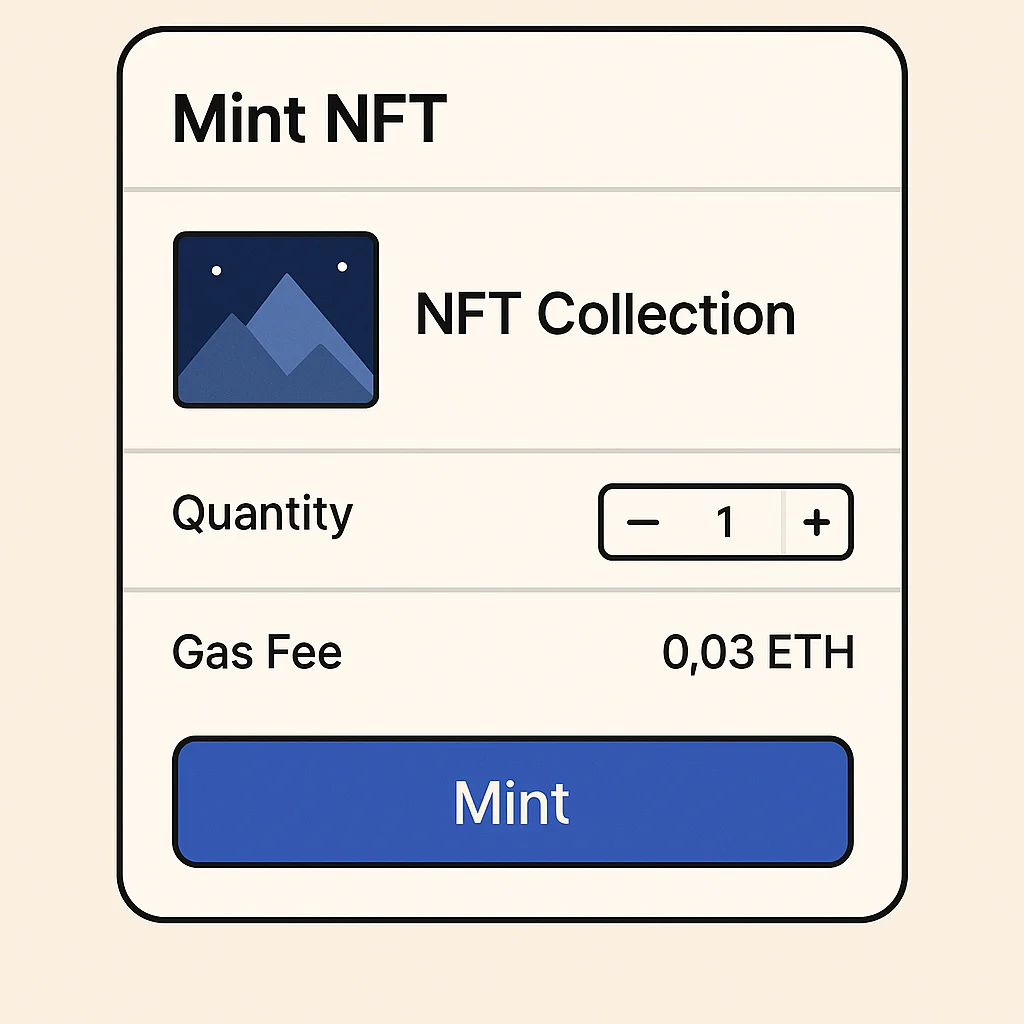
Digital interface for minting NFTs showing collection preview, quantity selector, gas fee estimate, and mint button

Real-World Examples

  • NFT collections allow users to mint random traits for fixed prices
  • Proof-of-Stake rewards get minted automatically for validators
  • DeFi tokens often have ongoing mint schedules for liquidity incentives

Why Beginners Should Care

Minting at launch often provides better prices than buying on secondary markets, but it’s also riskier since you don’t know the final product quality.

Gas wars during popular NFT launches can make minting extremely expensive. Set reasonable gas limits to avoid overpaying during network congestion.

Failed minting transactions still cost gas fees, so understand the process before attempting to mint during high-demand drops.

Related Terms: NFT, Smart Contract, Gas Fees, Token Supply

Back to Crypto Glossary

Similar Posts

  • Delegation

    Delegation: Assigning Voting or Staking RightsDelegation allows token holders to assign their voting power or staking rights to other participants while retaining ownership. It's like giving someone your vote without giving them your tokens.Delegation refers to assigning voting rights, staking authority, or other token-based powers to third parties while maintaining ownership of the underlying tokens. This…

  • Play-to-Earn (P2E)

    Play-to-Earn (P2E): Gaming Meets Income Play-to-earn games let players earn cryptocurrency and NFTs through gameplay. It’s turned gaming from entertainment expense into potential income source for millions worldwide. Play-to-earn (P2E) is a gaming model where players earn cryptocurrency tokens, NFTs, or other digital assets with real-world value through gameplay activities. Players own in-game assets that…

  • Treasury

    Treasury: Protocol Fund ManagementA treasury is a fund controlled by cryptocurrency projects or DAOs for development, operations, and community initiatives. It's like a company's bank account that's managed by community voting instead of executives.A treasury refers to cryptocurrency funds held and managed by protocols, DAOs, or projects for operational expenses, development funding, and community initiatives. These…

  • Liquidity Sniping

    Liquidity Sniping: Front-Running New Pools Liquidity sniping involves immediately buying tokens when new liquidity pools are created, often using bots to front-run regular users. It’s like cutting in line at the grand opening sale. Liquidity sniping is the practice of using automated systems to immediately purchase tokens as soon as new liquidity pools go live,…

  • FOMO (Fear of Missing Out)

    FOMO: The Psychology That Drives Crypto Markets FOMO (Fear of Missing Out) is responsible for more bad crypto decisions than any technical analysis could prevent. It’s the emotional trap that turns rational people into panic buyers. FOMO is the anxiety that others are experiencing rewarding experiences from which one is absent. In crypto, it manifests…

  • Solver Network

    Solver Network: Optimized Transaction ExecutionA solver network consists of specialized entities that find optimal execution paths for complex transactions across multiple protocols and chains. They're like GPS systems that find the best routes for your crypto transactions.A solver network comprises specialized services that analyze and execute complex transactions by finding optimal paths across multiple protocols,…