
Rug Detector

Rug Detector: Automated Scam Identification

Rug detectors are tools that analyze token contracts and trading patterns to identify potential rug pulls before they happen. They’re like having a fraud investigator built into your trading interface.

A rug detector is software that automatically analyzes cryptocurrency projects for red flags that indicate potential rug pulls or exit scams. These tools examine smart contract code, tokenomics, and trading patterns to warn users about suspicious projects.

How Rug Detectors Work

Contract analysis examines smart contract code for hidden functions, unlimited minting capabilities, or liquidity extraction mechanisms that enable rug pulls.

Pattern recognition identifies suspicious trading activities like concentrated token ownership, locked liquidity timeframes, or unusual price movements.

Risk scoring combines multiple factors into overall risk assessments that help users make informed decisions about project legitimacy.
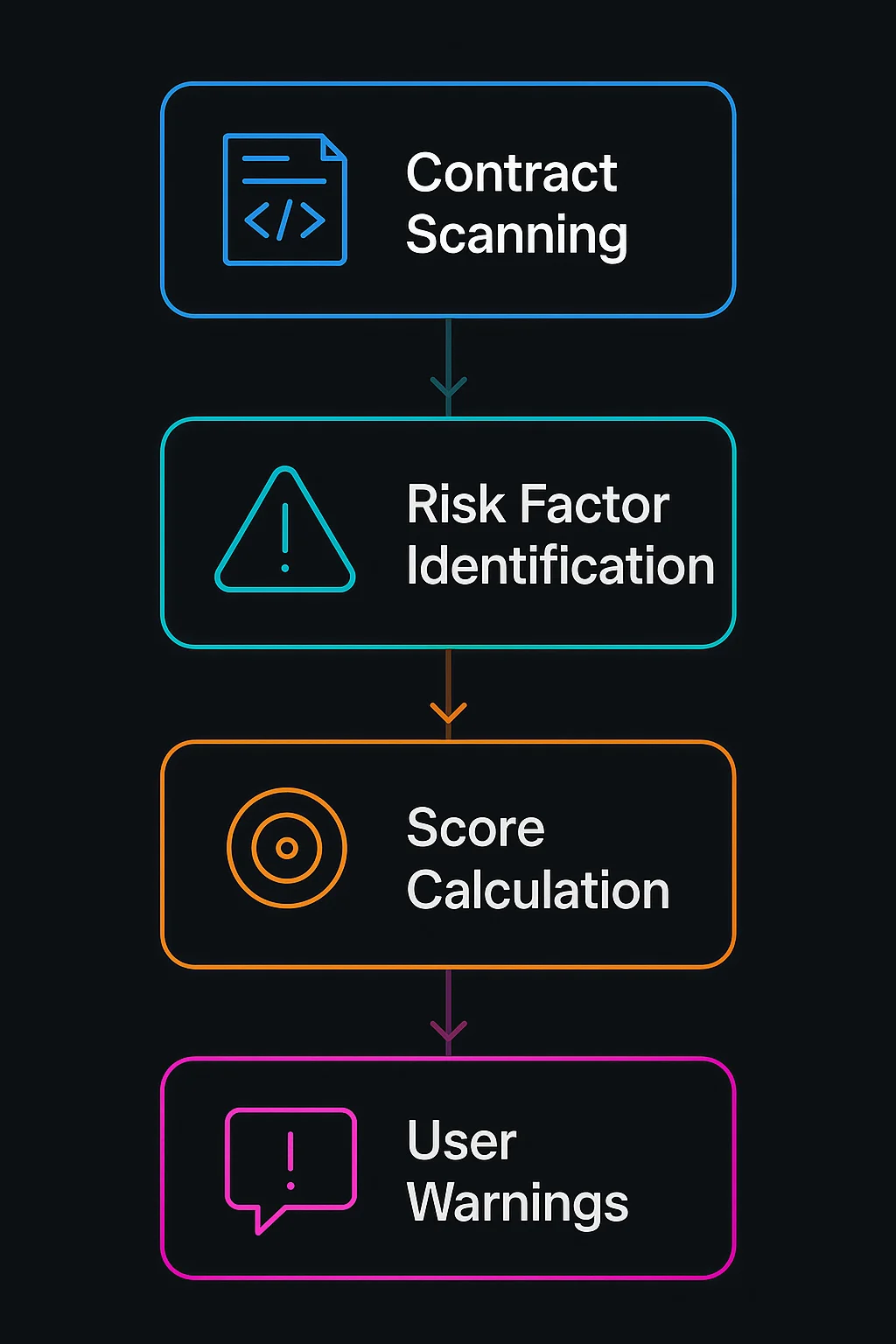
Rug detector flowchart showing contract scanning, risk identification, score calculation, and user warnings

Real-World Examples

  • Token Sniffer analyzes BSC and Ethereum tokens for rug pull indicators
  • RugDoc provides detailed project audits and risk assessments
  • DexTools integrates rug detection features into trading interfaces

Why Beginners Should Care

Early warning system for potentially fraudulent projects before significant community losses occur.

False positives can incorrectly flag legitimate projects, requiring users to understand analysis limitations and conduct additional research.

Evolving threats as scammers adapt to detection methods, requiring continuous updates to rug detection algorithms and risk factors.

Related Terms: Rug Pull, Smart Contract Analysis, Due Diligence, Risk Assessment

Back to Crypto Glossary

Similar Posts

  • Paper Hands

    Paper Hands: Quick to Sell, Quick to Regret Paper hands describes investors who sell at the first sign of trouble or take profits too early. It’s crypto’s version of weak stomach syndrome. Paper hands refers to investors who sell their cryptocurrency holdings quickly due to fear, panic, or impatience rather than holding through volatility. The…

  • EVM Compatibility

    EVM Compatibility: Ethereum Code EverywhereEVM compatibility allows blockchain networks to run Ethereum applications without modification. It's like having different computers that can all run the same software.EVM compatibility refers to blockchain networks that can execute Ethereum smart contracts and support Ethereum-based applications without requiring code changes. This enables easy migration and cross-deployment of Ethereum applications.How EVM…

  • Bull Market

    Bull Market: When Everything Goes Up Bull markets are when crypto investors feel like geniuses. Prices rise, optimism soars, and everyone becomes a trading expert. Until they don’t. A bull market is a sustained period of rising cryptocurrency prices accompanied by widespread investor optimism. During bull runs, even terrible projects can see massive gains as…

  • Whitelisting

    Whitelisting: VIP Access to Token Sales Whitelisting gives select addresses permission to participate in exclusive token sales or access restricted features. It’s crypto’s version of the velvet rope at exclusive clubs. Whitelisting is the process of pre-approving wallet addresses for participation in token sales, exclusive features, or special privileges within crypto projects. Only whitelisted addresses…

  • Governance Attack

    Governance Attack: Exploiting Democratic Decision SystemsA governance attack involves manipulating blockchain governance mechanisms to make malicious changes to protocols. It's like rigging an election to pass laws that benefit you at everyone else's expense.A governance attack refers to exploiting voting or decision-making mechanisms in blockchain protocols to implement changes that benefit attackers while harming other…

  • Tornado Cash

    Tornado Cash: The Controversial Privacy Protocol Tornado Cash was Ethereum’s most popular mixing service until U.S. sanctions shut it down. It used zero-knowledge proofs to enable private transactions on a transparent blockchain. Tornado Cash was a decentralized mixing protocol on Ethereum that used zero-knowledge proofs to enable private transactions by breaking the link between sender…