
Whitelisting

Whitelisting: VIP Access to Token Sales

Whitelisting gives select addresses permission to participate in exclusive token sales or access restricted features. It’s crypto’s version of the velvet rope at exclusive clubs.

Whitelisting is the process of pre-approving wallet addresses for participation in token sales, exclusive features, or special privileges within crypto projects. Only whitelisted addresses can participate in restricted activities or access limited opportunities.

How Whitelisting Works

Application processes often require social media engagement, community participation, or completing specific tasks to demonstrate genuine interest rather than pure speculation.

KYC verification may be required for regulatory compliance, especially for larger token sales that need to verify investor accreditation or geographic eligibility.

Limited slots create scarcity and FOMO as projects often have more interested participants than available whitelist positions.
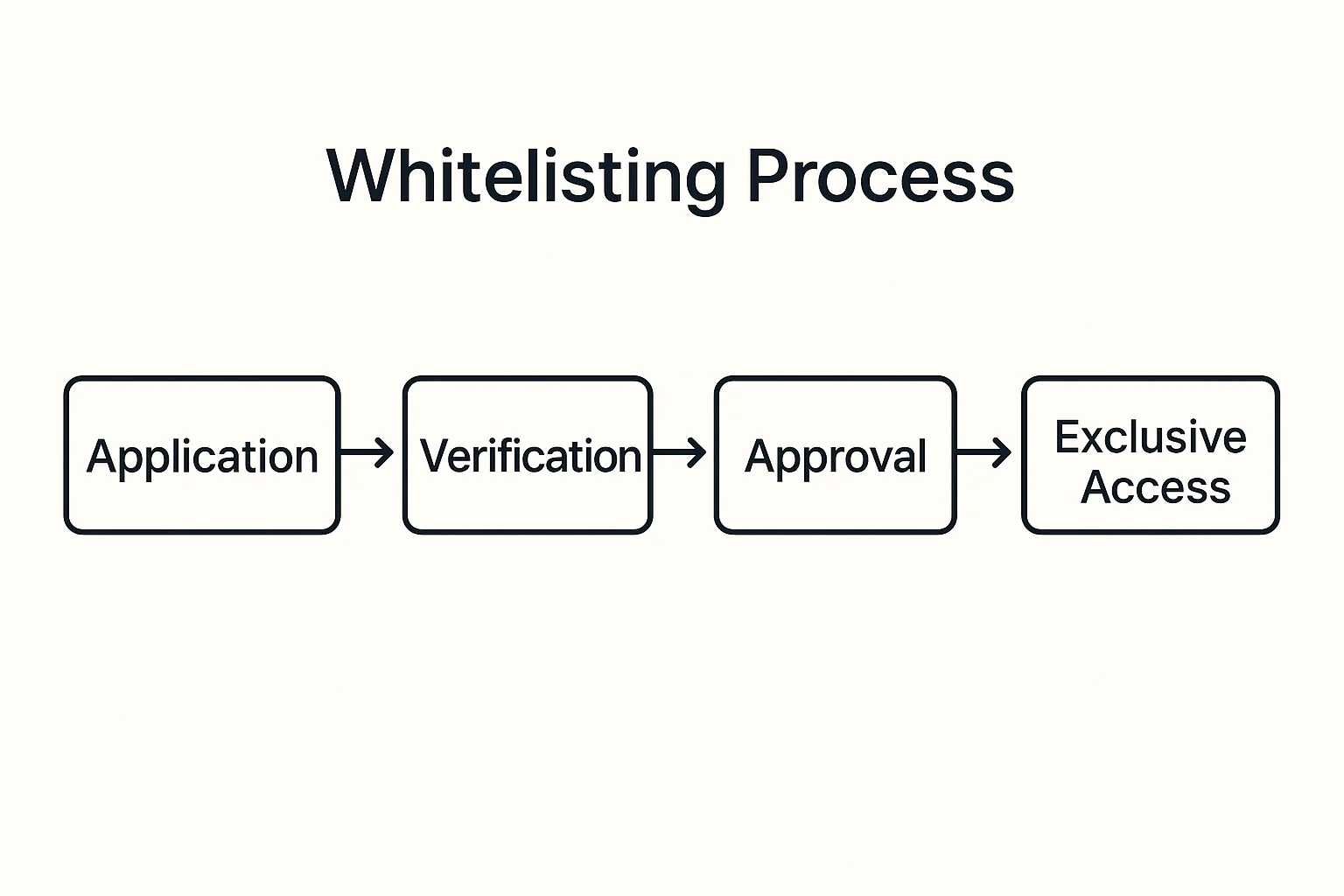
Whitelisting process flowchart showing application, verification, approval, and exclusive access stages.

Real-World Examples

  • NFT project whitelists give early supporters guaranteed minting opportunities before public sales
  • DeFi protocol launches often whitelist early community members for governance token distributions
  • Gaming token sales use whitelists to ensure dedicated players get priority access over speculators

Why Beginners Should Care

Exclusive opportunities through whitelisting can provide access to better prices or guaranteed allocations in popular token sales that quickly sell out.

Time investment required for whitelisting often involves significant community engagement without guaranteed acceptance or profitable outcomes.

Scam potential exists as fake projects use whitelist processes to collect personal information or wallet addresses for phishing attacks.

Related Terms: Token Sale, KYC, Launchpad, Community

Back to Crypto Glossary

Similar Posts

  • Digital Signature

    Digital Signature: Cryptographic Identity ProofDigital signatures provide mathematical proof of message authenticity and sender identity using cryptographic techniques. They're like unforgeable electronic signatures that prove who sent what.A digital signature is a cryptographic mechanism that verifies the authenticity of digital messages or documents and confirms the identity of the sender. Digital signatures are fundamental to blockchain…

  • Blockchain Oracle Network

    Blockchain Oracle Network: Decentralized Data Feeds Blockchain oracle networks provide external data to smart contracts through decentralized systems rather than single data sources. It’s like having multiple weather stations instead of relying on one thermometer. A blockchain oracle network is a decentralized system of nodes that collectively provide external data to blockchain networks, reducing single…

  • Wallet Recovery

    Wallet Recovery: Restoring Access to Lost FundsWallet recovery enables regaining access to cryptocurrency holdings when primary access methods fail. It's like having backup keys to your digital safe when you lose the originals.Wallet recovery encompasses methods for restoring access to cryptocurrency wallets when devices are lost, passwords forgotten, or primary authentication fails. Proper recovery planning prevents…

  • Slippage

    Slippage: The Cost of Market Impact Slippage is the difference between expected and actual trade prices. It’s the tax you pay for moving markets when your trade is large relative to available liquidity. Slippage occurs when the execution price of a trade differs from the expected price due to market movement or insufficient liquidity. Large…

  • Governance Token

    Governance Token: Voting Rights in CryptoGovernance tokens provide holders with voting rights in decentralized protocols and organizations. They're like shares in a company, but for decentralized projects where the community makes decisions.A governance token is a cryptocurrency that grants holders voting rights over protocol changes, treasury allocation, and other governance decisions in decentralized projects. These tokens…

  • Back Running

    Back Running: Following Profitable TransactionsBack running involves placing transactions immediately after profitable transactions to capture secondary opportunities. It's like following successful traders to pick up the crumbs they leave behind.Back running is a MEV extraction strategy where bots place transactions immediately after profitable transactions to capture residual value or secondary opportunities. This technique exploits the predictable…