
Chain Abstraction

Chain Abstraction: Invisible Multi-Chain Experience

Chain abstraction hides blockchain complexity from users, making multi-chain interactions feel like using a single network. It’s like having universal currency that works everywhere without exchange rates.

Chain abstraction creates user experiences where interactions with multiple blockchains happen seamlessly without users needing to understand or manage different networks, tokens, or bridges. Applications handle all cross-chain complexity behind the scenes.

How Chain Abstraction Works

Unified interfaces present single user experiences while automatically routing transactions across multiple chains based on cost, speed, or liquidity optimization.

Automatic bridging handles cross-chain asset movement transparently, executing complex multi-step operations through simple user actions.

Gas abstraction enables paying transaction fees with any token while the system handles conversions and payments on the appropriate networks.
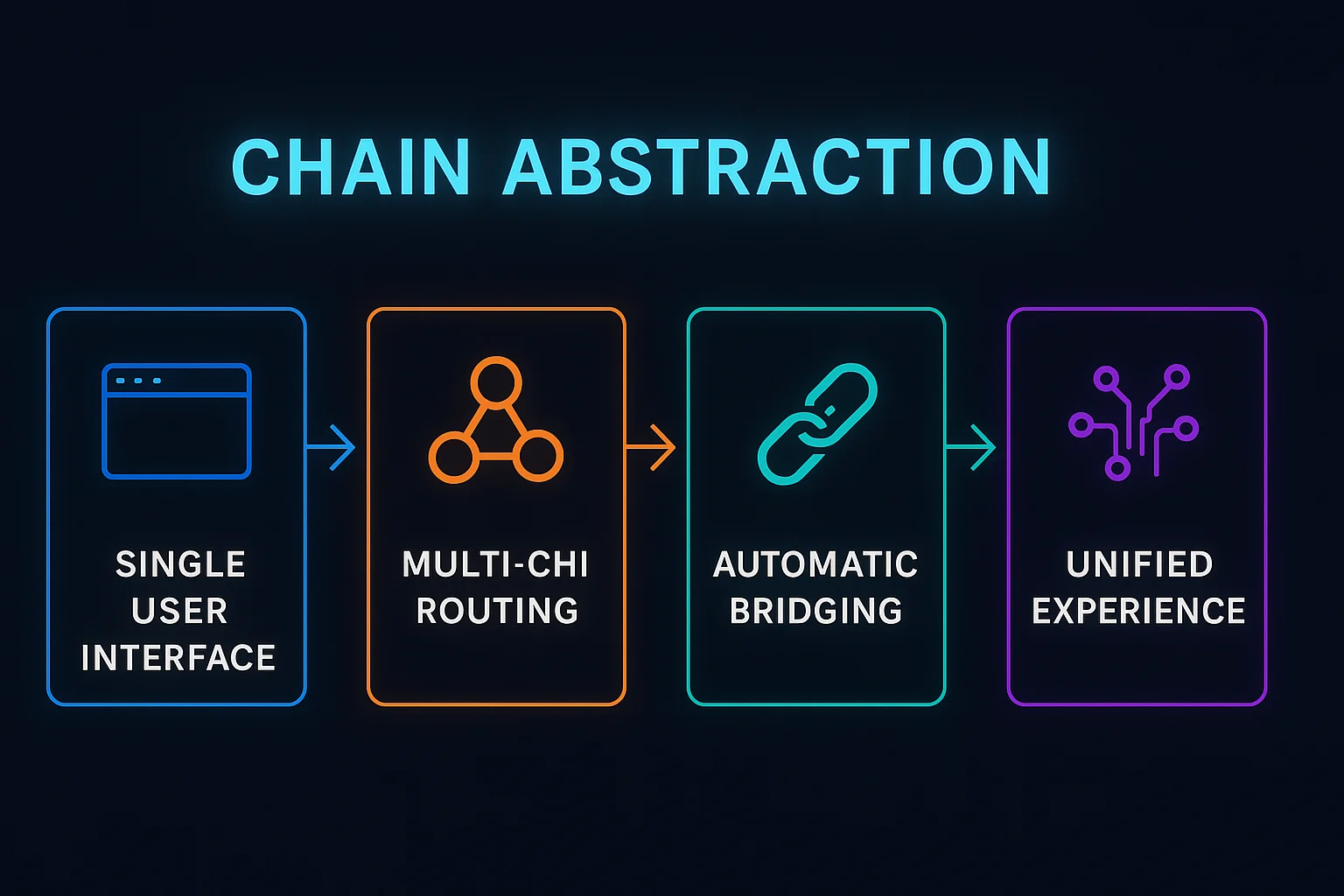
Chain abstraction flow showing single user interface, multi-chain routing, automatic bridging, and unified blockchain experience

Real-World Examples

  • Socket provides intent-based routing across chains for seamless user experiences
  • Li.Fi aggregates bridges and chains to create unified cross-chain interactions
  • Various wallet improvements that hide chain switching and bridging complexity

Why Beginners Should Care

Simplified onboarding eliminates the need to understand different networks, acquire gas tokens, or manage bridge operations manually.

Improved adoption potential as mainstream users can access multi-chain benefits without technical blockchain knowledge.

Hidden complexity may reduce user understanding of underlying risks like bridge security or network dependencies.

Related Terms: Cross-Chain, Intent-Based, Bridge Aggregator

Back to Crypto Glossary

Similar Posts

  • Chain Split

    Chain Split: Blockchain Network DivisionA chain split occurs when a blockchain network divides into multiple incompatible chains, often due to disagreements about protocol changes. It's like a road splitting into different paths that can't be merged back together.A chain split refers to the division of a blockchain network into two or more incompatible chains, typically…

  • Rug Pull

    Rug Pull: When Projects Disappear With Your Money Rug pulls are crypto’s version of old-fashioned exit scams. Developers build hype, collect investor money, then vanish into the digital night. A rug pull is when cryptocurrency project developers abandon the project and steal investor funds. The term comes from “pulling the rug out” from under investors…

  • Total Value Locked (TVL)

    Total Value Locked (TVL): DeFi’s Scorecard TVL measures how much money is deposited in DeFi protocols. It’s like measuring the size of a bank by its total deposits – bigger usually means more trust and activity. Total Value Locked (TVL) is the aggregate value of all assets deposited in a DeFi protocol or across the…

  • Blockchain

    Blockchain: The Unchangeable Digital Ledger Forget the hype – blockchain is simply a better way to keep records. It’s like a ledger book that everyone can see, but no one can cheat. Blockchain is a chain of digital records (blocks) that are linked together and secured using cryptography. Once information goes into a block, changing…

  • Ethereum

    Ethereum: The Smart Contract PlatformEthereum is the blockchain platform that pioneered smart contracts and hosts most decentralized applications. It's like the operating system for programmable money and decentralized apps.Ethereum is a decentralized blockchain platform that enables smart contracts and serves as the foundation for thousands of decentralized applications (dApps). It introduced programmable money and became the…

  • Synthetic Yield

    Synthetic Yield: Engineered Return Products Synthetic yield creates artificial return streams through derivatives and structured products rather than underlying asset productivity. It’s like manufacturing dividends through financial engineering. Synthetic yield refers to returns generated through derivative strategies, structured products, or financial engineering rather than from the underlying asset’s inherent productivity. These products create yield where…