
Blockchain

Blockchain: The Unchangeable Digital Ledger

Forget the hype – blockchain is simply a better way to keep records. It’s like a ledger book that everyone can see, but no one can cheat.

Blockchain is a chain of digital records (blocks) that are linked together and secured using cryptography. Once information goes into a block, changing it becomes practically impossible without changing every subsequent block.

How Blockchain Works

Picture a notebook where every page is numbered and contains a summary of the previous page. To fake page 50, you’d need to rewrite every page from 50 to the end – while thousands of people are watching and comparing their copies.

Each block contains transaction data, a timestamp, and a cryptographic fingerprint of the previous block. This creates an unbreakable chain of records.

New blocks get added roughly every 10 minutes (for Bitcoin), and thousands of computers worldwide verify each addition.
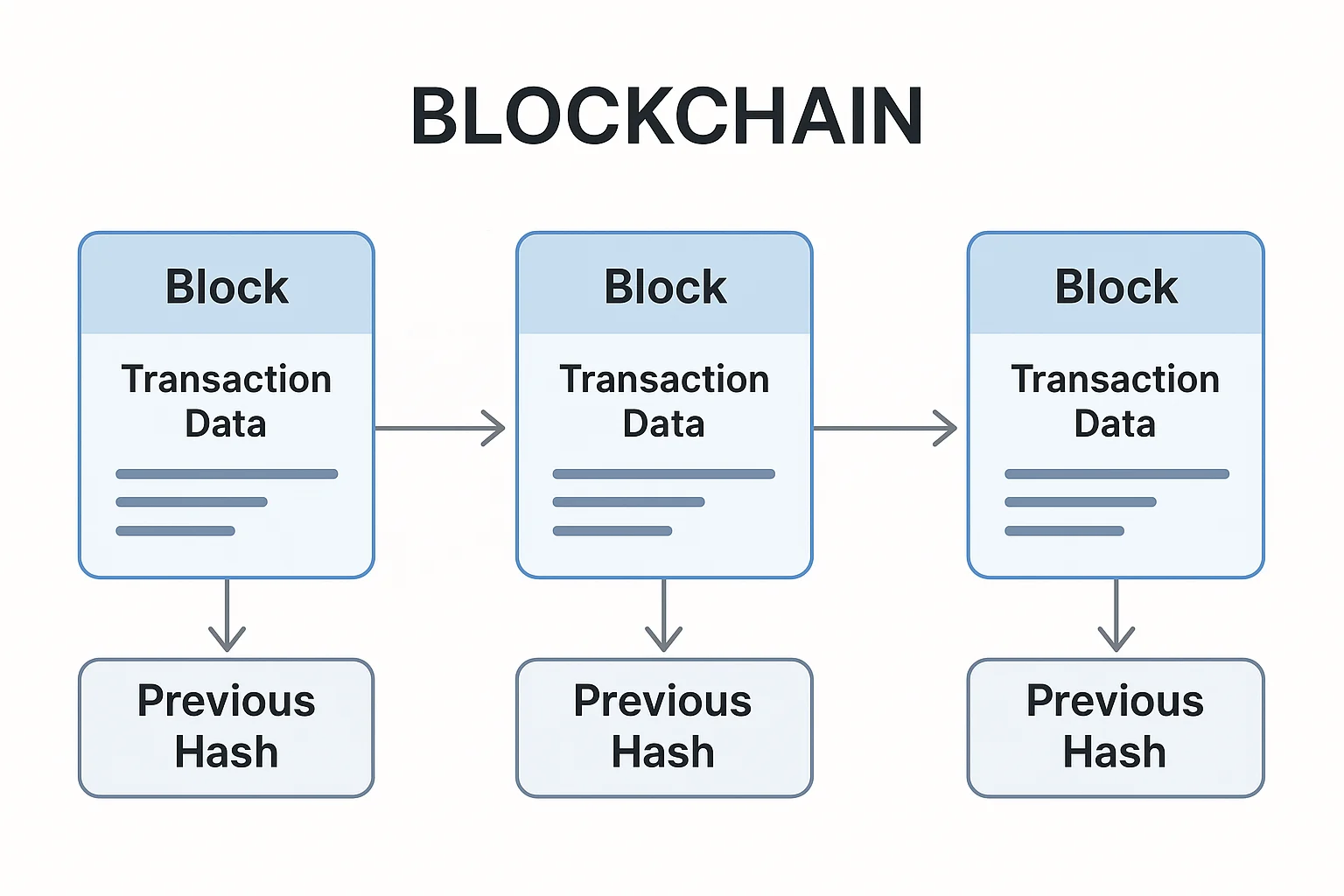
Diagram showing how each blockchain block contains transaction data and links to the previous hash

Real-World Examples

  • Bitcoin blockchain processes about 300,000 transactions daily
  • Ethereum blockchain powers thousands of decentralized applications
  • Supply chain tracking helps verify authentic products from counterfeits

Why Beginners Should Care

Blockchain eliminates the need for trusted intermediaries. Banks, governments, and corporations can’t manipulate blockchain records without everyone noticing.

This transparency creates opportunities for fair financial systems, transparent voting, authentic product verification, and ownership records that can’t be disputed.

Related Terms: Bitcoin, Mining, Consensus Mechanism, Hash Rate

Back to Crypto Glossary

Similar Posts

  • Transaction

    Transaction: Moving Value on the BlockchainA cryptocurrency transaction transfers value from one address to another on a blockchain network. It's like writing a check, but with mathematical guarantees instead of trust.A transaction is a digitally signed transfer of cryptocurrency from one wallet address to another, recorded permanently on the blockchain. Every transaction includes sender information, recipient…

  • Regulatory Compliance

    Regulatory Compliance: Following Government RulesRegulatory compliance involves adhering to government laws and regulations that apply to cryptocurrency activities. It's like following traffic laws, but for digital money.Regulatory compliance refers to conforming with applicable laws, regulations, and supervisory requirements for cryptocurrency businesses, transactions, and activities. Compliance requirements vary significantly between jurisdictions and continue evolving.How Crypto Compliance WorksKnow…

  • Liquid Staking

    Liquid Staking: Staking Without LockupsLiquid staking allows earning staking rewards while maintaining the ability to trade or use staked assets through tokenized representations. It's like having your cake and eating it too.Liquid staking enables users to stake cryptocurrency for rewards while receiving liquid tokens representing their staked position that can be traded or used in…

  • Full Node

    Full Node: Complete Blockchain ParticipantA full node maintains a complete copy of the blockchain and validates all transactions independently. It's like having the complete library instead of just borrowing books when you need them.A full node is a computer that downloads, stores, and validates the complete blockchain history while participating in network consensus and transaction…

  • Protocol

    Protocol: Blockchain Network RulesA protocol is the set of rules and standards that govern how a blockchain network operates. It's like the constitution of a country that defines how the government works, what's allowed, and how decisions are made.A protocol refers to the comprehensive set of rules, standards, and procedures that define how a blockchain…

  • Whale

    Whale: The Big Players Who Move Markets In crypto, whales are individuals or entities holding massive amounts of cryptocurrency. When whales move, markets tremble. A whale is someone who holds enough cryptocurrency to significantly influence market prices through their trading decisions. For Bitcoin, this typically means holding 1,000+ BTC (worth $30+ million at current prices)….