
Appchain

Appchain: Application-Specific Blockchains

Appchains are blockchains designed for single applications or use cases rather than general-purpose smart contracts. They’re like having a dedicated highway for one type of vehicle instead of mixed traffic.

An appchain is a blockchain optimized for a specific application or use case rather than supporting general-purpose smart contracts. This specialization enables better performance, lower costs, and features tailored to specific needs.

How Appchains Work

Single-purpose optimization allows appchains to remove unnecessary features and optimize for specific use cases like gaming, payments, or social media.

Custom consensus mechanisms can be designed for specific application requirements rather than using generic blockchain consensus suitable for all applications.

Direct value capture enables applications to capture MEV and transaction fees directly rather than paying them to general-purpose blockchain validators.
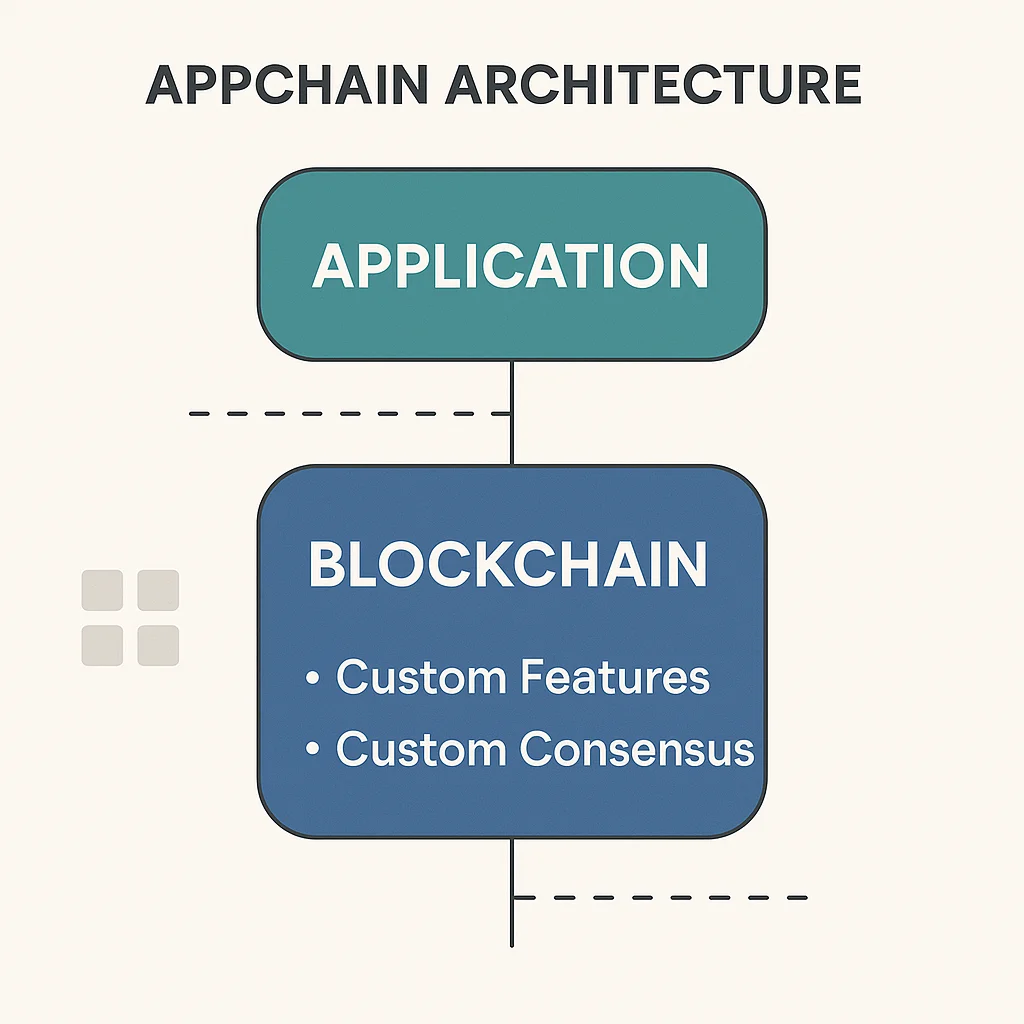
Appchain architecture diagram showing a specialized blockchain optimized for a specific application with custom features and consensus.

Real-World Examples

  • DYdX v4 runs on its own appchain optimized for derivatives trading
  • Immutable X provides a gaming-focused chain with NFT-optimized features
  • Cosmos ecosystem enables easy appchain creation through the Cosmos SDK

Why Beginners Should Care

Better performance from specialization can provide faster transactions, lower fees, and features impossible on general-purpose chains.

Sovereignty benefits give applications full control over their blockchain parameters, governance, and economic models.

Fragmentation concerns as appchains may reduce composability and liquidity compared to applications sharing common infrastructure.

Related Terms: Cosmos, Sovereignty, Application Layer,

Back to Crypto Glossary

Similar Posts

  • Asset Locking

    Asset Locking: Securing Value Across ChainsAsset locking involves securing cryptocurrency on one blockchain to enable representation or usage on another network. It's like putting money in escrow while you get a receipt to spend elsewhere.Asset locking refers to securing cryptocurrency tokens in smart contracts or custody solutions to enable their representation or usage on different…

  • Transaction Ordering

    Transaction Ordering: Sequence Control SystemsTransaction ordering determines the sequence in which transactions get processed within blockchain blocks. It's like controlling the line at a busy restaurant.Transaction ordering refers to the process by which blockchain networks determine the sequence of transactions within blocks. This ordering can significantly affect transaction outcomes, especially in DeFi applications sensitive to price…

  • Synthetic Asset

    Synthetic Asset: Creating Anything on Blockchain Synthetic assets are blockchain tokens that track the value of real-world assets like stocks, commodities, or currencies. They’re like financial derivatives but programmable and globally accessible. A synthetic asset is a tokenized derivative that tracks the price of an underlying asset without requiring direct ownership of that asset. Smart…

  • Gas Token

    Gas Token: Optimizing Transaction Costs Gas tokens store cheap gas for later use when network fees are high. It’s like buying gasoline when prices are low and using it when prices spike. A gas token is a cryptocurrency designed to optimize transaction costs by storing cheap gas during low-demand periods for use when fees are…

  • Two-Factor Authentication (2FA)

    Two-Factor Authentication (2FA): Your Crypto’s Second Lock 2FA is the minimum security standard for any crypto account worth protecting. If you’re not using it, you’re basically leaving your front door unlocked. Two-factor authentication (2FA) requires two different verification methods to access your account – typically something you know (password) plus something you have (phone or…

  • Validator Set Rotation

    Validator Set Rotation: Dynamic Network Security Validator set rotation periodically changes which nodes validate transactions, preventing long-term centralization and maintaining network security through diversity. It’s like jury rotation for blockchain consensus. Validator set rotation is a mechanism that periodically changes which validators are active in securing a blockchain network. This prevents permanent centralization and ensures…