
Rug Detector

Rug Detector: Automated Scam Identification

Rug detectors are tools that analyze token contracts and trading patterns to identify potential rug pulls before they happen. They’re like having a fraud investigator built into your trading interface.

A rug detector is software that automatically analyzes cryptocurrency projects for red flags that indicate potential rug pulls or exit scams. These tools examine smart contract code, tokenomics, and trading patterns to warn users about suspicious projects.

How Rug Detectors Work

Contract analysis examines smart contract code for hidden functions, unlimited minting capabilities, or liquidity extraction mechanisms that enable rug pulls.

Pattern recognition identifies suspicious trading activities like concentrated token ownership, locked liquidity timeframes, or unusual price movements.

Risk scoring combines multiple factors into overall risk assessments that help users make informed decisions about project legitimacy.
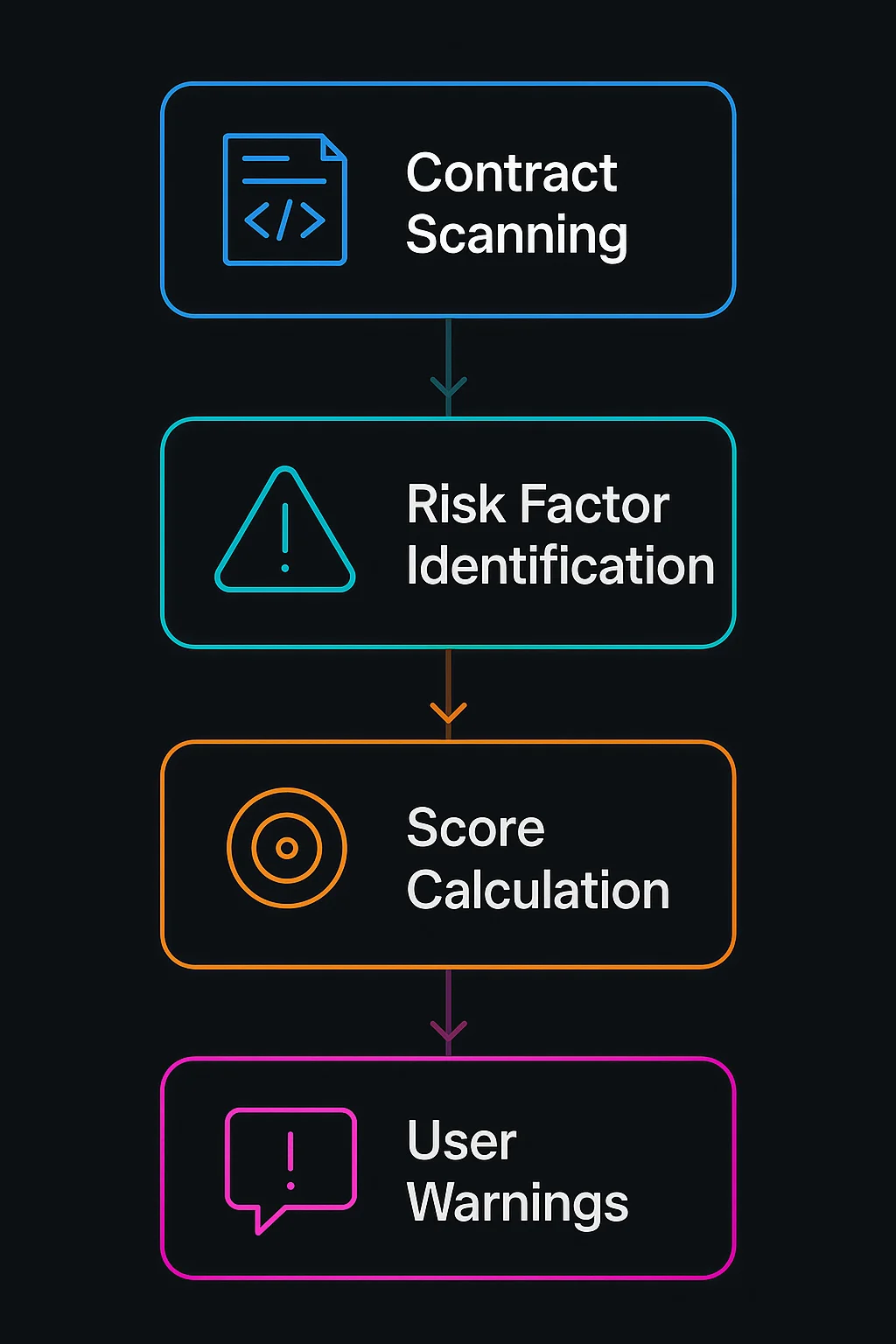
Rug detector flowchart showing contract scanning, risk identification, score calculation, and user warnings

Real-World Examples

  • Token Sniffer analyzes BSC and Ethereum tokens for rug pull indicators
  • RugDoc provides detailed project audits and risk assessments
  • DexTools integrates rug detection features into trading interfaces

Why Beginners Should Care

Early warning system for potentially fraudulent projects before significant community losses occur.

False positives can incorrectly flag legitimate projects, requiring users to understand analysis limitations and conduct additional research.

Evolving threats as scammers adapt to detection methods, requiring continuous updates to rug detection algorithms and risk factors.

Related Terms: Rug Pull, Smart Contract Analysis, Due Diligence, Risk Assessment

Back to Crypto Glossary

Similar Posts

  • Verification

    Verification: Confirming Accuracy and AuthenticityVerification is the process of confirming that information, transactions, or claims are accurate and authentic without requiring trust in the information source. It's like being able to personally test that a diamond is real using scientific instruments instead of just believing the jeweler's word.Verification refers to the mathematical and cryptographic processes…

  • Native Interop

    Native Interop: Built-in Cross-Chain CommunicationNative interoperability refers to blockchain networks designed from the ground up to communicate with other chains without requiring external bridges or intermediaries. It's like speaking multiple languages fluently.Native interoperability describes blockchain architectures that include cross-chain communication capabilities as core features rather than external additions. These systems can interact with other networks through…

  • Block Reward

    Block Reward: Miner and Validator Compensation Block rewards are the cryptocurrency payments that miners and validators receive for successfully adding new blocks to the blockchain. It’s how networks incentivize security without charging transaction fees. Block reward is the amount of cryptocurrency awarded to miners or validators for successfully creating and validating a new block on…

  • Intent-Centric Protocols

    Intent-Centric Protocols: What You Want, Not How Intent-centric protocols let users specify desired outcomes while the system figures out how to achieve them. Instead of manually executing swap steps, you just say “I want USDC” and the protocol handles everything. Intent-centric protocols allow users to express desired end states rather than specific transaction sequences. Users…

  • Supply

    Supply: Total Token Quantity AvailableSupply refers to the total amount of cryptocurrency tokens available, including those in circulation, locked up, or held by various parties. It's a fundamental economic factor affecting token value.Supply encompasses all cryptocurrency tokens that exist or will exist, including circulating supply available for trading and locked supply held by teams, investors,…

  • EVM (Ethereum Virtual Machine)

    EVM (Ethereum Virtual Machine): The World Computer The EVM is the runtime environment where Ethereum smart contracts execute. It’s like having one giant computer that runs the same programs across thousands of machines worldwide. The Ethereum Virtual Machine (EVM) is a decentralized computing environment that executes smart contracts on the Ethereum blockchain. Every Ethereum node…