
Multi-Chain

Multi-Chain: Using Multiple Blockchain Networks

Multi-chain refers to applications, strategies, or ecosystems that operate across multiple different blockchain networks simultaneously. It’s like being multilingual in the blockchain world.

Multi-chain describes systems that utilize multiple different blockchain networks rather than being limited to a single chain. This approach leverages the unique strengths of different blockchains while diversifying risks and expanding capabilities.

How Multi-Chain Works

Cross-chain integration enables applications to operate on multiple blockchains, accessing different user bases, liquidity sources, and technological capabilities.

Bridge infrastructure connects different blockchain networks, allowing assets and data to move between chains through various technical mechanisms.

Strategic diversification spreads risks and opportunities across multiple networks rather than depending entirely on one blockchain’s success or failure.
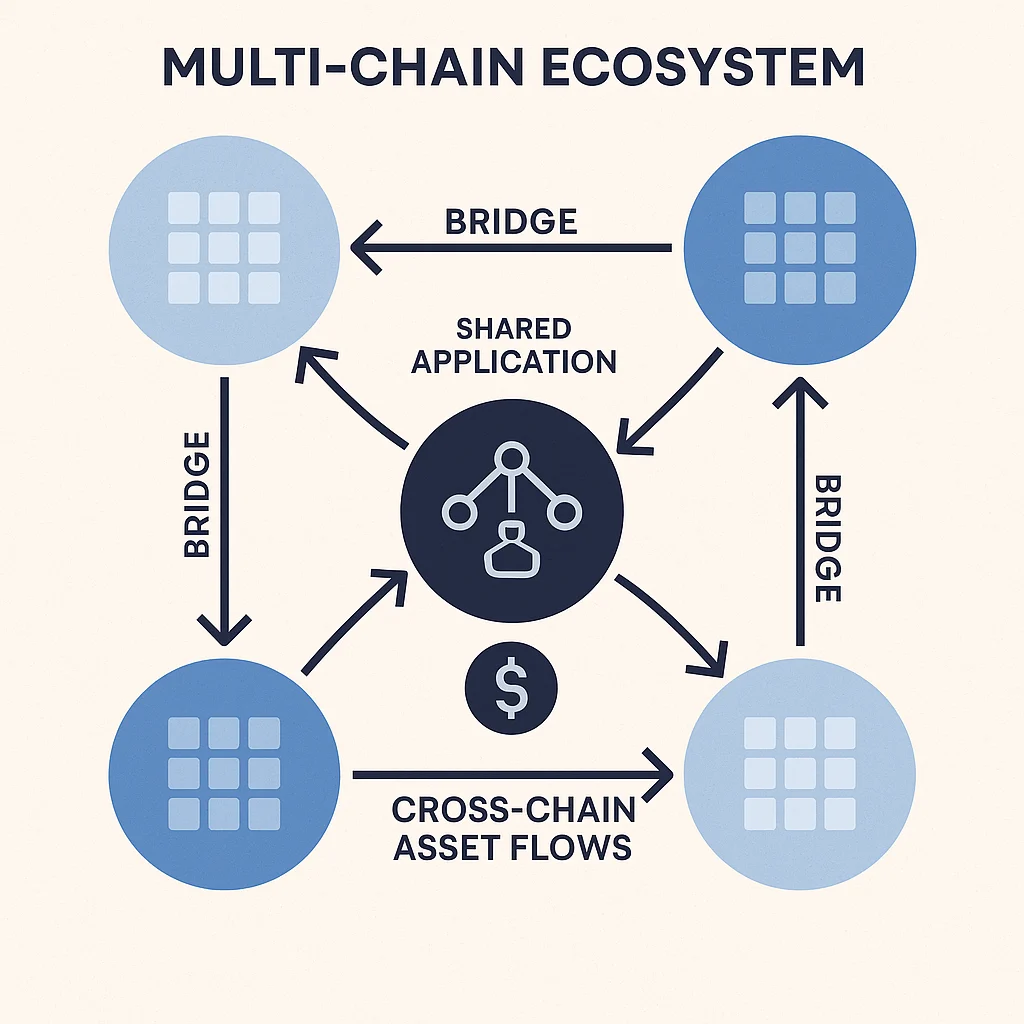
Infographic showing multi-chain ecosystem with interconnected blockchain networks, bridges, shared applications, and cross-chain asset flows

Real-World Examples

  • Aave operates lending markets on Ethereum, Polygon, Avalanche, and other networks
  • Uniswap has deployed on multiple chains to access different user communities
  • USDC stablecoin exists natively on over 15 different blockchain networks

Why Beginners Should Care

Diversified exposure reduces risks from any single blockchain network experiencing technical problems, regulatory issues, or adoption challenges.

Expanded opportunities as different chains offer unique applications, lower fees, or better performance for specific use cases.

Complexity management since multi-chain strategies require understanding multiple networks, bridge risks, and cross-chain coordination challenges.

Related Terms: Cross-Chain, Bridge, Interoperability, Chain Abstraction

Back to Crypto Glossary

Similar Posts

  • Encrypted Mempool

    Encrypted Mempool: Private Transaction Pools Encrypted mempools hide transaction details until inclusion in blocks, preventing front-running and MEV extraction. It’s like sending sealed bids instead of announcing your strategy publicly. An encrypted mempool contains pending transactions that are cryptographically hidden from public view until block inclusion. This prevents sophisticated actors from front-running or extracting MEV…

  • Deflationary

    Deflationary: Decreasing Token Supply Over TimeDeflationary cryptocurrencies have mechanisms that reduce total token supply over time, potentially increasing value through artificial scarcity. It's like having money that becomes rarer automatically.Deflationary refers to cryptocurrency tokenomics designed to decrease total token supply over time through burning, buybacks, or other reduction mechanisms. This creates scarcity pressure that can support…

  • Transaction Approval

    Transaction Approval: Authorizing Blockchain ActionsTransaction approval is the process of authorizing blockchain operations through wallet signatures or smart contract permissions. It's like signing checks, but with permanent consequences.Transaction approval involves granting permission for blockchain operations through cryptographic signatures, smart contract interactions, or delegation mechanisms. These approvals authorize spending, contract execution, or account access.How Transaction Approval WorksSignature…

  • Decentralization

    Decentralization: Power to the People Decentralization distributes control away from single authorities across many independent participants. It’s the difference between having one king versus a thousand voters making decisions. Decentralization refers to the distribution of power, control, and decision-making away from central authorities to a network of independent participants. In blockchain systems, this means no…

  • Delegation

    Delegation: Assigning Voting or Staking RightsDelegation allows token holders to assign their voting power or staking rights to other participants while retaining ownership. It's like giving someone your vote without giving them your tokens.Delegation refers to assigning voting rights, staking authority, or other token-based powers to third parties while maintaining ownership of the underlying tokens. This…

  • Storage Refund

    Storage Refund: Incentivizing Data CleanupStorage refund mechanisms return gas fees to users who clean up blockchain storage by removing unnecessary data. It's like getting a deposit back when you return empty bottles.Storage refund refers to mechanisms that provide gas fee rebates or payments to users who free up blockchain storage space by deleting data or…