
Multi-Chain

Multi-Chain: Using Multiple Blockchain Networks

Multi-chain refers to applications, strategies, or ecosystems that operate across multiple different blockchain networks simultaneously. It’s like being multilingual in the blockchain world.

Multi-chain describes systems that utilize multiple different blockchain networks rather than being limited to a single chain. This approach leverages the unique strengths of different blockchains while diversifying risks and expanding capabilities.

How Multi-Chain Works

Cross-chain integration enables applications to operate on multiple blockchains, accessing different user bases, liquidity sources, and technological capabilities.

Bridge infrastructure connects different blockchain networks, allowing assets and data to move between chains through various technical mechanisms.

Strategic diversification spreads risks and opportunities across multiple networks rather than depending entirely on one blockchain’s success or failure.
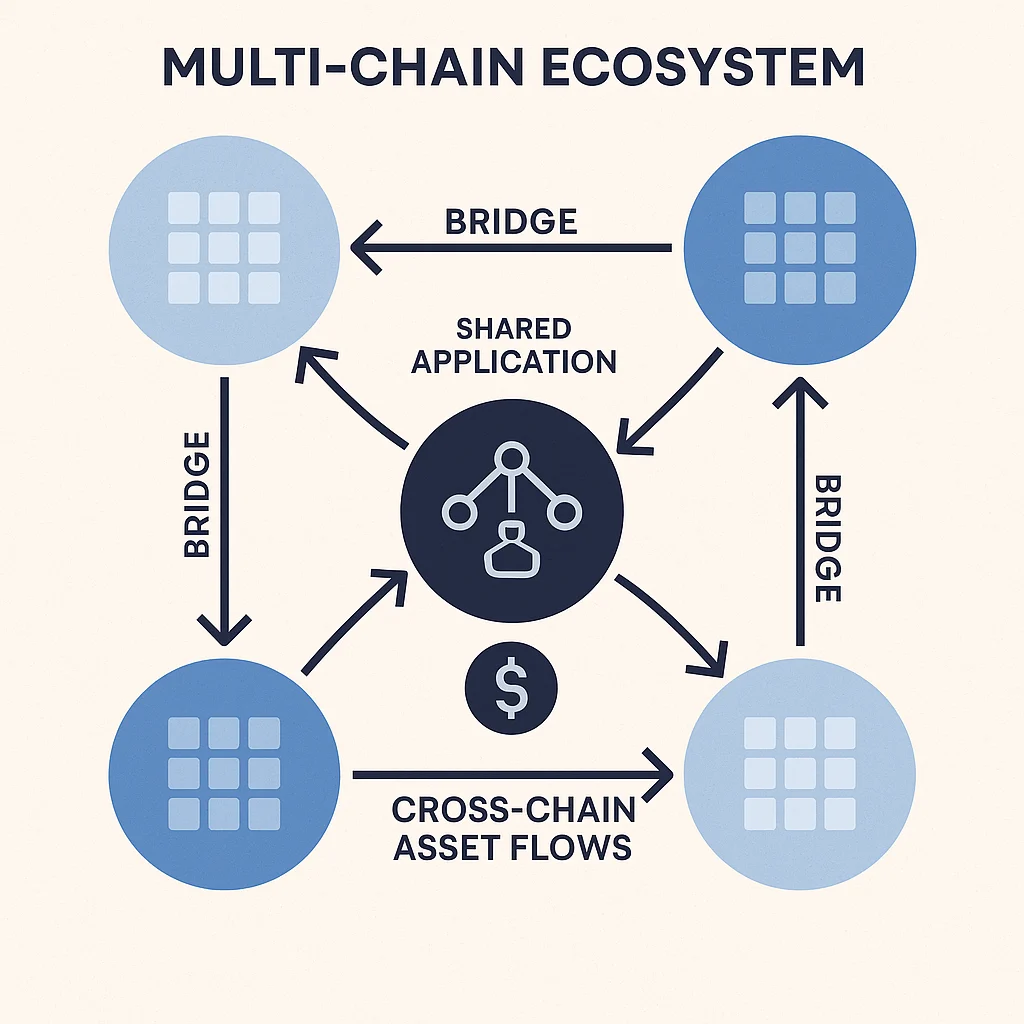
Infographic showing multi-chain ecosystem with interconnected blockchain networks, bridges, shared applications, and cross-chain asset flows

Real-World Examples

  • Aave operates lending markets on Ethereum, Polygon, Avalanche, and other networks
  • Uniswap has deployed on multiple chains to access different user communities
  • USDC stablecoin exists natively on over 15 different blockchain networks

Why Beginners Should Care

Diversified exposure reduces risks from any single blockchain network experiencing technical problems, regulatory issues, or adoption challenges.

Expanded opportunities as different chains offer unique applications, lower fees, or better performance for specific use cases.

Complexity management since multi-chain strategies require understanding multiple networks, bridge risks, and cross-chain coordination challenges.

Related Terms: Cross-Chain, Bridge, Interoperability, Chain Abstraction

Back to Crypto Glossary

Similar Posts

  • Rarity

    Rarity: Scarcity-Based Value AssessmentRarity refers to how uncommon or scarce particular traits, items, or attributes are within collections or ecosystems. It's like having a rare baseball card that's valuable because few others like it exist.Rarity describes the relative scarcity of digital assets, particularly NFT traits or characteristics, that affects their perceived value and market pricing. Rarer…

  • Modular Execution Layer

    Modular Execution Layer: Specialized Transaction Processing Modular execution layers handle transaction processing separately from consensus and data availability. It’s like having specialized assembly lines instead of one worker doing everything. A modular execution layer is a specialized blockchain component that focuses solely on processing transactions and executing smart contracts while relying on other layers for…

  • Network Decentralization

    Network Decentralization: Distributed Control ArchitectureNetwork decentralization refers to distributing control and operation of blockchain networks across many independent participants rather than concentrating power. It's like having a town where decisions are made by all residents voting together instead of a single mayor controlling everything.Network decentralization describes the distribution of control, validation, and governance functions across…

  • DCA

    DCA: Dollar Cost Averaging Investment StrategyDCA (Dollar Cost Averaging) involves making regular purchases of cryptocurrency regardless of price to reduce timing risk. It's like buying groceries on the same day each week instead of trying to predict when prices will be lowest.Dollar Cost Averaging (DCA) is an investment strategy that involves purchasing cryptocurrency at regular…

  • Cross-Chain Protocol

    Cross-Chain Protocol: Blockchain Communication StandardsCross-chain protocols establish standardized methods for different blockchain networks to communicate and transfer assets safely. They're like diplomatic translation services that enable countries speaking different languages to negotiate treaties and trade agreements.Cross-chain protocols are standardized communication frameworks that enable different blockchain networks to exchange information, transfer assets, and coordinate operations across…

  • Liquidity Sniping

    Liquidity Sniping: Front-Running New Pools Liquidity sniping involves immediately buying tokens when new liquidity pools are created, often using bots to front-run regular users. It’s like cutting in line at the grand opening sale. Liquidity sniping is the practice of using automated systems to immediately purchase tokens as soon as new liquidity pools go live,…