
NFT Lending

NFT Lending: Borrowing Against Digital Art

NFT lending allows using non-fungible tokens as collateral for cryptocurrency loans. It’s like pawning your rare baseball cards, except the cards live in digital wallets.

NFT lending enables borrowers to use their non-fungible tokens as collateral to obtain cryptocurrency loans while retaining the potential upside of their digital assets. Lenders provide liquidity in exchange for yield and collateral protection.

How NFT Lending Works

Collateral evaluation uses floor prices, rarity traits, and collection value to determine loan amounts, typically offering 30-60% of estimated NFT value.

Loan mechanics involve depositing NFTs into smart contracts that release borrowed funds while holding collateral until repayment or liquidation.

Liquidation protection through automatic auctions or buy-back mechanisms when borrowers default or NFT values fall below required collateral ratios.
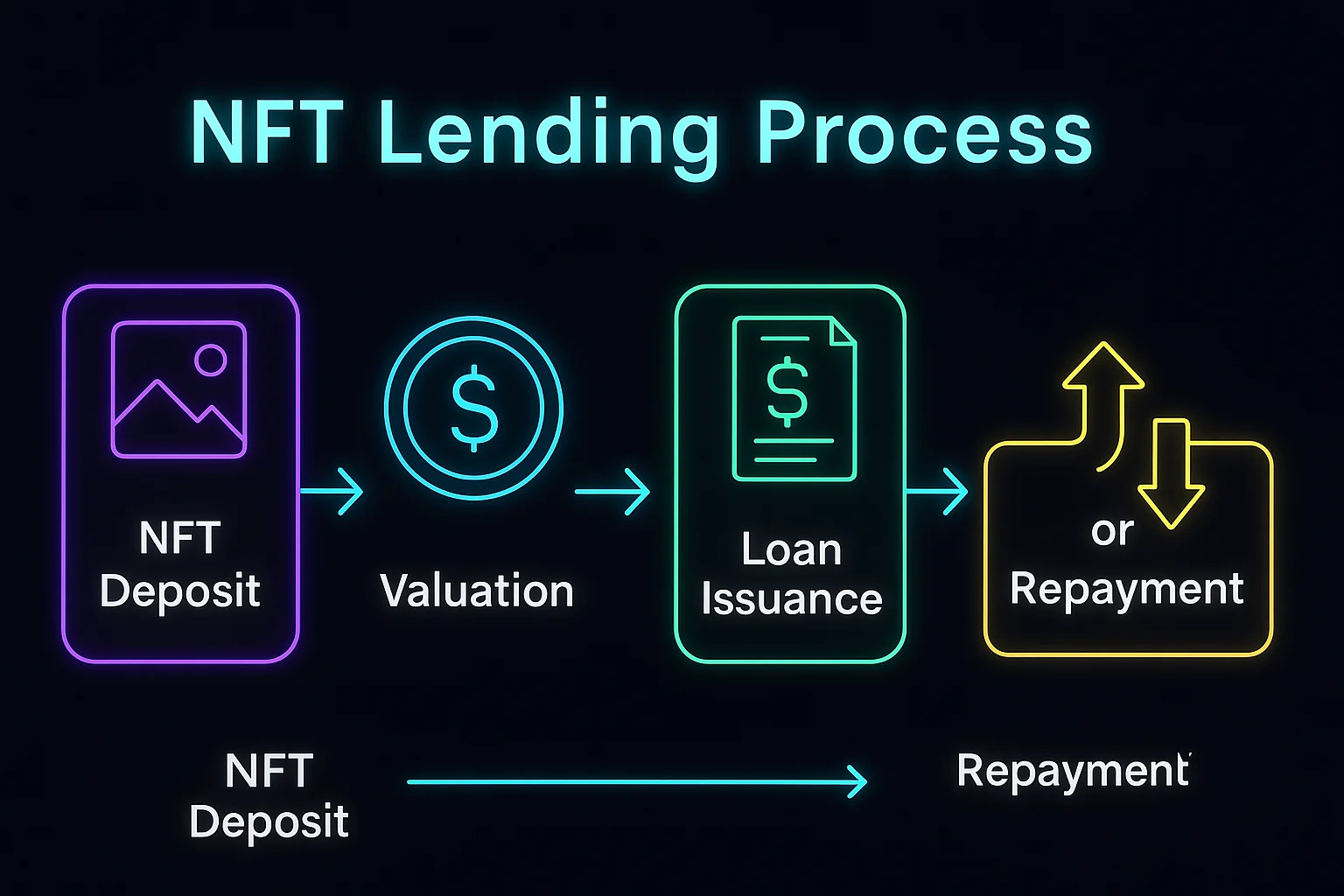
NFT lending process showing NFT deposit, valuation, loan issuance, and either repayment or liquidation pathway

Real-World Examples

  • Arcade provides institutional-grade NFT lending with professional valuation services
  • BendDAO offers peer-to-pool NFT lending with instant liquidity for borrowers
  • NFTfi enables peer-to-peer lending with customized terms between individual users

Why Beginners Should Care

Capital efficiency allows NFT holders to access liquidity without selling valuable digital assets, maintaining exposure to potential appreciation.

Valuation challenges make NFT lending riskier than traditional crypto lending due to illiquid markets and subjective valuations.

Market maturity remains early with limited lending options and high interest rates compared to traditional crypto lending protocols.

Related Terms: NFT, Collateral, Floor Price, DeFi Lending

Back to Crypto Glossary

Similar Posts

  • Atomic Transaction

    Atomic Transaction: All-or-Nothing OperationsAn atomic transaction either completes entirely or fails completely, with no partial execution possible. It's like a package deal where you get everything or nothing at all.An atomic transaction is an operation that either succeeds completely or fails entirely, ensuring that all components of a complex transaction execute together or none execute…

  • Decentralized Exchange (DEX)

    Decentralized Exchange (DEX): Trading Without Middlemen DEXs are what happens when you remove the corporate overlords from crypto trading. No account required, no permission needed – just you, your wallet, and the market. A decentralized exchange (DEX) is a cryptocurrency trading platform that operates without a central authority controlling user funds. You trade directly from…

  • Profit Taking

    Profit Taking: Realizing Investment GainsProfit taking involves selling cryptocurrency holdings to lock in gains and convert unrealized profits into actual cash or other assets. It's like cashing out your casino chips while you're ahead.Profit taking refers to the strategic sale of cryptocurrency positions to realize gains and reduce exposure when investments have appreciated in value. This…

  • Tokenization

    Tokenization: Converting Assets into Digital Tokens Tokenization transforms real-world assets into blockchain-based tokens that can be traded, divided, and managed digitally. It’s like turning everything into tradeable game pieces. Tokenization is the process of converting ownership rights to assets into digital tokens on a blockchain. This enables fractional ownership, easier trading, and programmable functionality for…

  • Validator Set Rotation

    Validator Set Rotation: Dynamic Network Security Validator set rotation periodically changes which nodes validate transactions, preventing long-term centralization and maintaining network security through diversity. It’s like jury rotation for blockchain consensus. Validator set rotation is a mechanism that periodically changes which validators are active in securing a blockchain network. This prevents permanent centralization and ensures…

  • Project Vetting

    Project Vetting: Investment Due DiligenceProject vetting involves thoroughly researching and evaluating cryptocurrency projects before investing to identify legitimate opportunities and avoid scams. It's like inspecting a house before buying it to check the foundation, plumbing, and electrical systems.Project vetting refers to the comprehensive research and analysis process used to evaluate cryptocurrency projects, including team credentials,…