
On-Chain Reputation

On-Chain Reputation: Verifiable Digital Standing

On-chain reputation tracks user behavior and achievements through permanent blockchain records. It’s like having a credit score built from your entire crypto transaction history.

On-chain reputation systems create verifiable records of user behavior, achievements, and interactions that persist across applications and can’t be faked or manipulated. These systems enable trust and social coordination in decentralized environments.

How On-Chain Reputation Works

Behavioral tracking monitors user actions like loan repayments, governance participation, or protocol contributions to build comprehensive reputation profiles.

Composable scoring allows different applications to read and build upon existing reputation data rather than starting from scratch.

Immutable records ensure reputation history can’t be deleted or modified, creating permanent accountability for past actions and decisions.
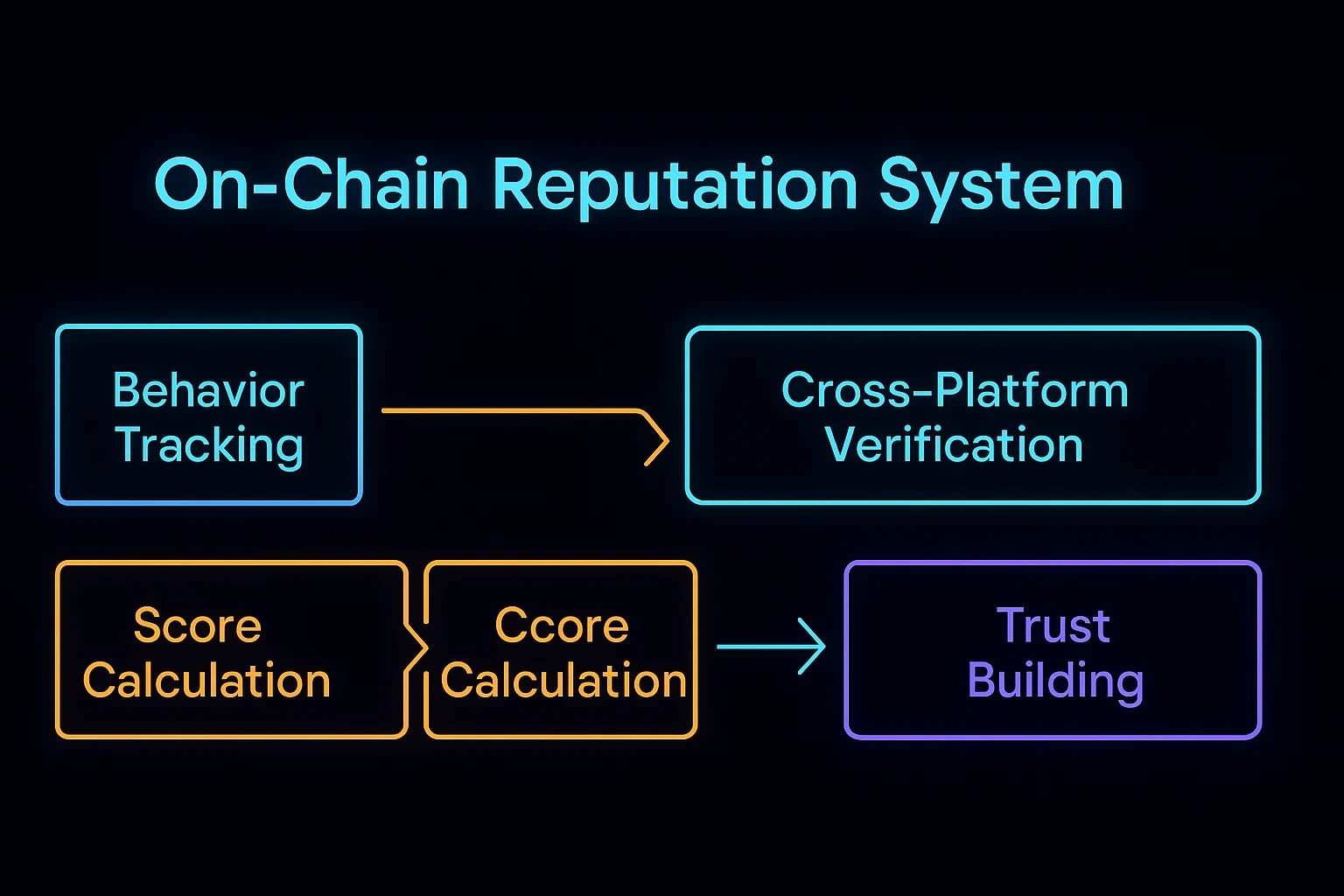
On-chain reputation system flow showing behavior tracking, score calculation, cross-platform verification, and trust building

Real-World Examples

  • ARCx creates DeFi passport scores based on lending behavior and protocol usage
  • Gitcoin Passport aggregates various identity and activity signals for reputation scoring
  • DegenScore ranks wallet addresses based on DeFi activity and expertise signals

Why Beginners Should Care

Trust building in pseudonymous environments where traditional identity verification isn’t possible or desired.

Access benefits as high reputation scores may unlock better borrowing rates, exclusive opportunities, or governance privileges.

Privacy implications since comprehensive behavior tracking can reveal significant personal information about users’ activities and preferences.

Related Terms: Soulbound Token, Decentralized Identity, Governance Participation

Back to Crypto Glossary

Similar Posts

  • Meta Transactions

    Meta Transactions: Gasless User InteractionsMeta transactions enable users to interact with blockchain applications without paying gas fees directly. It's like having someone else pay your transaction fees while you control the actual operations.Meta transactions are blockchain transactions where the gas fees are paid by a third party (relayer) while the user maintains control over the…

  • Protocol Revenue

    Protocol Revenue: Earning from Network ActivityProtocol revenue refers to income generated by blockchain protocols through transaction fees, service charges, or other value capture mechanisms. It's like toll roads that collect fees from everyone who uses the infrastructure.Protocol revenue encompasses all income streams generated by blockchain protocols including transaction fees, service charges, governance fees, and other…

  • Risk Assessment

    Risk Assessment: Evaluating Investment DangersRisk assessment involves systematically analyzing potential losses and their probabilities before making investment decisions. It's like checking the weather and road conditions before planning a trip.Risk assessment is the process of identifying, analyzing, and evaluating potential risks associated with cryptocurrency investments or activities to make informed decisions. This includes technical, market, regulatory,…

  • Exchange

    Exchange: Where Crypto Gets Bought and Sold Crypto exchanges are the on-ramps to digital money. But not all exchanges are created equal – some prioritize security, others prioritize profits. A cryptocurrency exchange is a platform where you can buy, sell, and trade cryptocurrencies using traditional money or other digital assets. Think of it as a…

  • Monetary Policy

    Monetary Policy: Controlling Money SupplyMonetary policy refers to how money supply, interest rates, and economic incentives are managed within a currency system. In crypto, it's usually controlled by code instead of central banks.Monetary policy encompasses the rules and mechanisms that control cryptocurrency supply, inflation rates, and economic incentives within blockchain networks. Unlike traditional currencies, crypto monetary…

  • DeFi Composability

    DeFi Composability: Building Block Finance DeFi composability allows protocols to integrate seamlessly, creating complex financial products by combining simpler components. It’s like financial Lego blocks that snap together perfectly. DeFi composability refers to the ability of decentralized finance protocols to interact and build upon each other, creating more complex financial products through modular integration. This…