
Token Lockup

Token Lockup: Preventing Early Selling

Token lockups prevent allocated tokens from being sold or transferred for specific time periods. It’s like putting your poker winnings in a time-locked safe to prevent impulse spending.

Token lockup is a mechanism that prevents token holders from selling, transferring, or accessing their tokens until predetermined conditions are met. Lockups typically use smart contracts to enforce restrictions automatically.

How Token Lockups Work

Smart contract enforcement makes lockup periods technically immutable, preventing even token holders from accessing funds before unlock conditions are satisfied.

Various trigger types include time-based unlocks, milestone achievements, governance votes, or other on-chain events that automatically release tokens.

Gradual release options may unlock tokens in tranches rather than all at once, smoothing potential market impact from large sales.
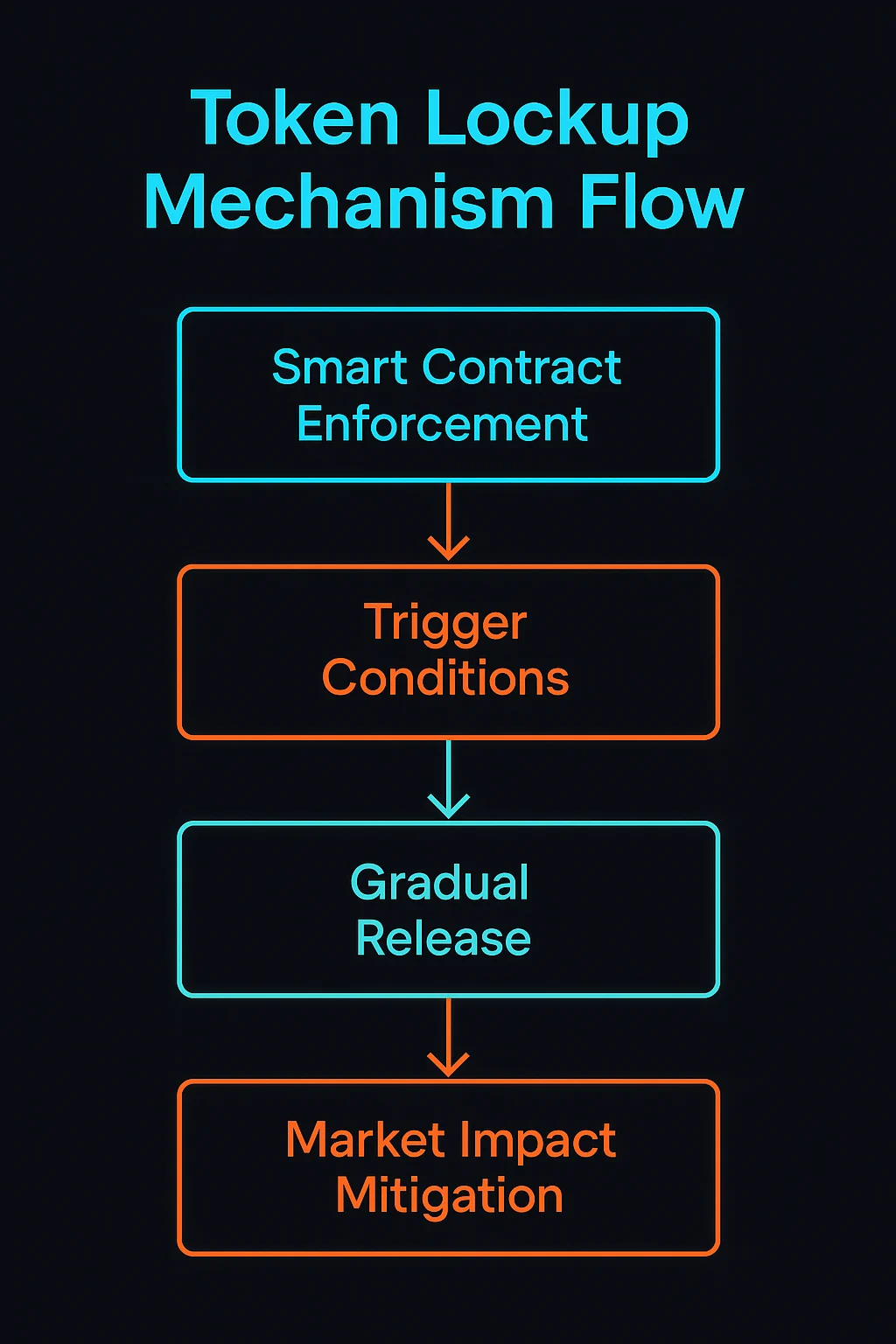
Token lockup flowchart showing smart contract enforcement, trigger conditions, gradual token release, and market impact mitigation

Real-World Examples

  • Team token lockups prevent founders from immediately selling allocations after public token launches
  • Liquidity provider rewards often have lockup periods to ensure continued platform participation
  • Investor protections through lockups that prevent early whale dumping on retail buyers

Why Beginners Should Care

Price stability benefits from lockups that prevent large holders from immediately dumping tokens and crashing prices after launches.

Commitment signaling as teams and investors willing to accept lockups demonstrate confidence in long-term project success.

Unlock events create predictable supply increases that may pressure prices, requiring investors to monitor lockup expiration schedules.

Related Terms: Vesting Schedule, Smart Contract, Supply Shock, Market Stability

Back to Crypto Glossary

Similar Posts

  • Slippage

    Slippage: The Cost of Market Impact Slippage is the difference between expected and actual trade prices. It’s the tax you pay for moving markets when your trade is large relative to available liquidity. Slippage occurs when the execution price of a trade differs from the expected price due to market movement or insufficient liquidity. Large…

  • Asset Backing

    Asset Backing: Value Foundation for TokensAsset backing refers to reserves of real-world assets that support the value of cryptocurrency tokens. It's like having gold in a vault to back paper money.Asset backing involves holding reserves of traditional assets like cash, bonds, commodities, or real estate to support the value and redemption of cryptocurrency tokens. This creates…

  • Seed Phrase

    Seed Phrase: Your Crypto Recovery Backup Your seed phrase is your crypto’s ultimate backup. More important than passwords, more valuable than the device itself. A seed phrase is a list of 12-24 words that can restore access to all your cryptocurrency wallets and funds. It’s your master key – lose it and your crypto is…

  • Light Client

    Light Client: Lightweight Blockchain AccessA light client provides blockchain access without downloading the entire blockchain history. It's like having a summary instead of reading the entire encyclopedia.A light client is a blockchain node that maintains network connectivity and basic functionality without storing the complete blockchain history or state. This enables resource-constrained devices to participate in blockchain…

  • Block Confirmation

    Block Confirmation: Transaction Security VerificationBlock confirmation refers to the number of blocks added to the blockchain after a transaction, indicating its security level. It's like waiting for concrete to fully harden before considering construction complete.Block confirmation is the number of blocks that have been added to the blockchain after the block containing a specific transaction. More…

  • Sidechain

    Sidechain: Independent Chains with Main Chain Connections Sidechains operate independently while maintaining bridges to main blockchains. They’re like having a separate express lane that connects back to the main highway when needed. A sidechain is an independent blockchain that runs parallel to a main blockchain and is connected through a two-way bridge allowing asset transfers….