
Whale

Whale: The Big Players Who Move Markets

In crypto, whales are individuals or entities holding massive amounts of cryptocurrency. When whales move, markets tremble.

A whale is someone who holds enough cryptocurrency to significantly influence market prices through their trading decisions. For Bitcoin, this typically means holding 1,000+ BTC (worth $30+ million at current prices).

How Whales Impact Markets

Large trades by whales can cause dramatic price movements. A single whale selling 5,000 Bitcoin can crash the price by 10%+ in minutes, especially during low-liquidity periods.

Whale watching has become an industry. Blockchain analysis firms track large wallet movements and alert traders when whales start moving funds, often signaling major price changes.

Some whales coordinate their actions, creating unofficial cartels that can manipulate smaller cryptocurrency markets through coordinated buying or selling.
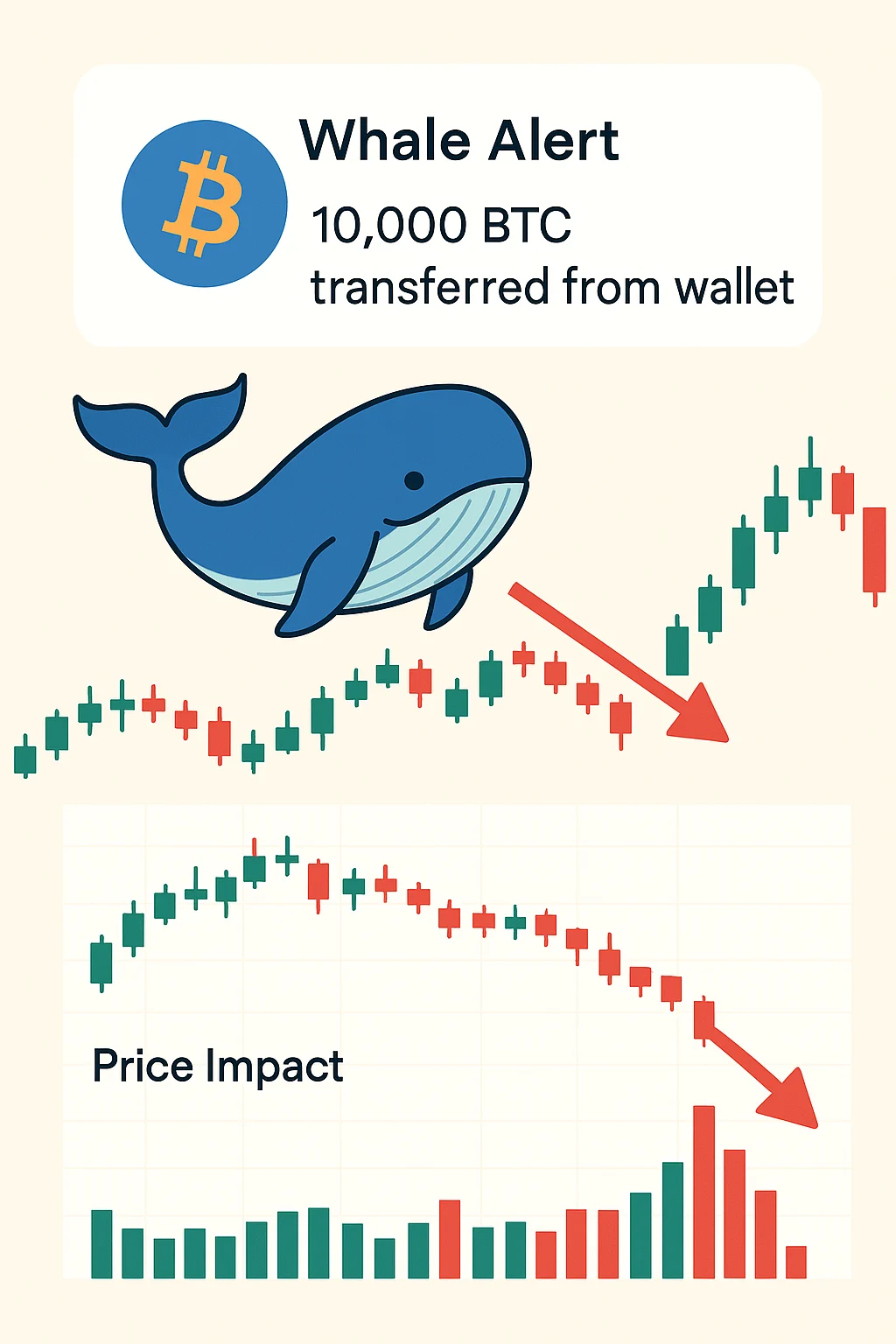
Bitcoin whale alert showing 10,000 BTC transferred from wallet with price chart impact

Real-World Examples

  • Michael Saylor/MicroStrategy – Holds over 190,000 Bitcoin
  • Ethereum Foundation – Large ETH holder that occasionally sells for funding
  • Early adopters – Bitcoin addresses from 2009-2011 containing thousands of coins

Why Beginners Should Care

Understanding whale behavior helps explain seemingly random price movements. When Bitcoin suddenly drops 15% with no news, check if major whale wallets moved coins to exchanges.

Whale movements often precede major market shifts. Whales accumulating during bear markets or distributing during bull markets can signal trend changes before retail investors notice.

Follow whale alert services to get early warnings about potential market-moving events.

Related Terms: Market Cap, Liquidity, Pump and Dump, Market Manipulation

Back to Crypto Glossary

Similar Posts

  • Secondary Market

    Secondary Market: Resale Trading VenuesSecondary markets enable trading of assets after their initial issuance, providing liquidity and price discovery for existing holdings. They're like used car lots for digital assets.A secondary market is where previously issued assets are bought and sold between investors rather than being purchased directly from the original issuer. These markets provide liquidity…

  • Token Lockup

    Token Lockup: Preventing Early Selling Token lockups prevent allocated tokens from being sold or transferred for specific time periods. It’s like putting your poker winnings in a time-locked safe to prevent impulse spending. Token lockup is a mechanism that prevents token holders from selling, transferring, or accessing their tokens until predetermined conditions are met. Lockups…

  • Tokenization

    Tokenization: Converting Assets into Digital Tokens Tokenization transforms real-world assets into blockchain-based tokens that can be traded, divided, and managed digitally. It’s like turning everything into tradeable game pieces. Tokenization is the process of converting ownership rights to assets into digital tokens on a blockchain. This enables fractional ownership, easier trading, and programmable functionality for…

  • Collection

    Collection: Grouped NFT SeriesA collection is a group of related NFTs that share common themes, artwork, or attributes. It's like a series of trading cards or stamps that belong to the same set.A collection refers to a group of related NFTs that share common characteristics, themes, or attributes, typically created by the same artist or…

  • Bridge Token

    Bridge Token: Cross-Chain Asset Representations Bridge tokens are wrapped versions of assets that exist on different blockchains through cross-chain bridge protocols. They’re like having dollars that work in different countries’ ATM systems. A bridge token is a representation of an asset from one blockchain that can be used on a different blockchain through cross-chain bridge…

  • Bear Market

    Bear Market: When Reality Hits Crypto Bear markets separate tourists from residents. Prices fall, optimism dies, and everyone learns who was swimming naked when the tide goes out. A bear market is a sustained period of declining cryptocurrency prices accompanied by widespread investor pessimism. During bear markets, even strong projects can lose 80-90% of their…