
Floor Price

Floor Price: The Cheapest Entry Point

Floor price is the lowest price you can buy into an NFT collection. It’s the most watched metric in NFT trading and often determines a project’s perceived value.

Floor price is the lowest listed price for any NFT in a collection on marketplaces. It represents the minimum cost to own any piece from that collection, regardless of traits or rarity.

How Floor Price Works

Market sentiment drives floor prices up and down. Positive news, celebrity endorsements, or utility announcements can spike floors. Negative events or broader market downturns crash them.

Supply and demand fundamentals apply. Collections with strong holder communities and low listing rates maintain higher floors than projects where everyone’s trying to sell.

Trait rarity creates price tiers above floor. While floor represents the cheapest NFTs, rare traits can sell for 10x-100x floor price.
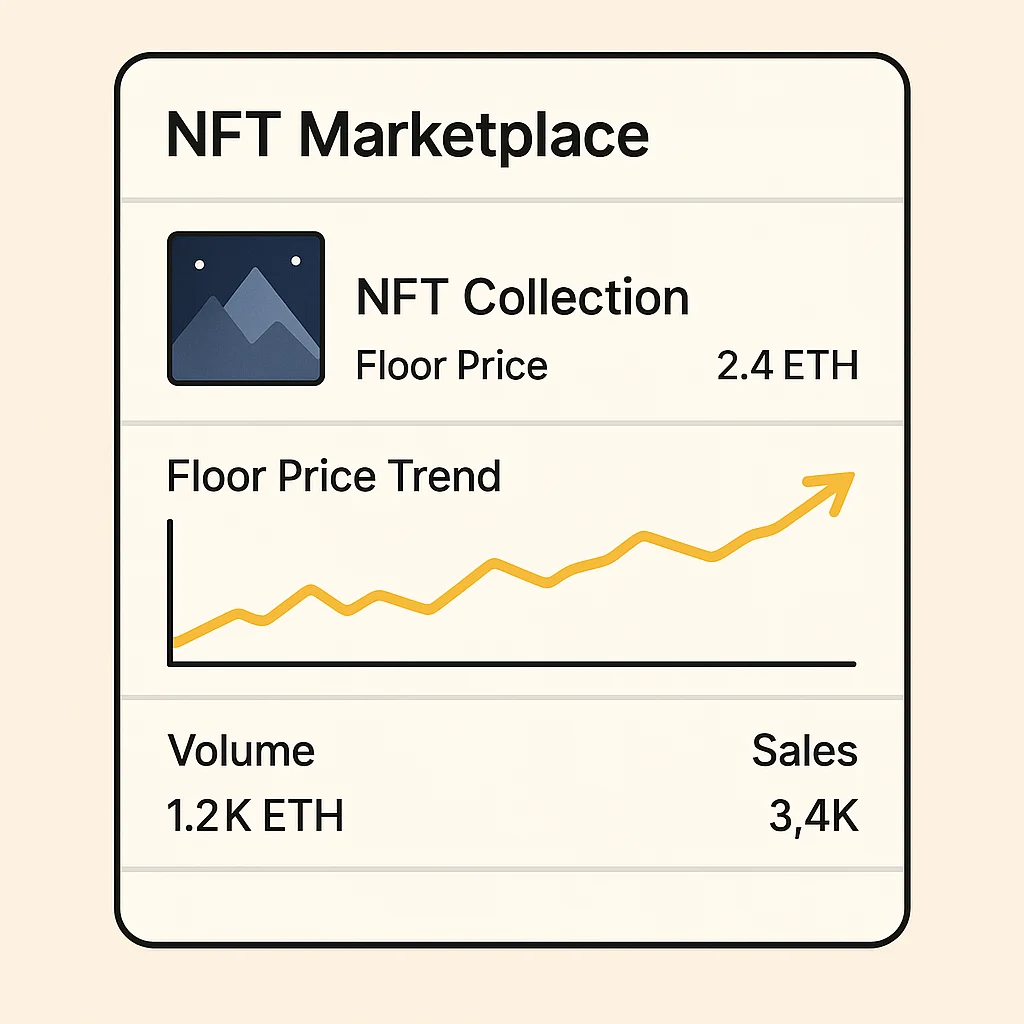
NFT marketplace interface showing collection name, current floor price, price trend chart, and volume and sales data

Real-World Examples

  • Bored Apes floor price peaked at 150+ ETH, now trades around 30-40 ETH
  • CryptoPunks maintain high floors due to historical significance and scarcity
  • Newer collections often see 90%+ floor price declines from mint price

Why Beginners Should Care

Floor price reflects market confidence in a project’s long-term value. Consistently declining floors usually signal community abandonment and project failure.

Don’t chase floors during rapid increases – you’re often buying near temporary peaks. Similarly, rapidly crashing floors rarely indicate good buying opportunities.

Focus on collections with strong communities, real utility, and active development rather than purely speculative floor price movements.

Related Terms: NFT, Marketplace, Rarity, Collection

Back to Crypto Glossary

Similar Posts

  • Merkle Tree

    Merkle Tree: Efficient Data Verification Merkle trees enable efficient verification of large datasets without downloading everything. They’re like having a fingerprint for an entire library that proves any book belongs. A Merkle tree is a binary tree structure where each leaf represents a data element and each branch contains cryptographic hashes of its children. The…

  • Bridge Token

    Bridge Token: Cross-Chain Asset Representations Bridge tokens are wrapped versions of assets that exist on different blockchains through cross-chain bridge protocols. They’re like having dollars that work in different countries’ ATM systems. A bridge token is a representation of an asset from one blockchain that can be used on a different blockchain through cross-chain bridge…

  • Decentralized Identity (DID)

    Decentralized Identity (DID): Self-Sovereign Digital Identity DIDs give users control over their digital identity without relying on centralized authorities like governments or tech companies. It’s like having a passport that you issue and control yourself. Decentralized Identity (DID) is a digital identity framework that gives individuals control over their personal data and identity verification without…

  • Token Launch

    Token Launch: Cryptocurrency Project DebutA token launch is the initial release of a new cryptocurrency token to the public market. It's like a product launch where a company introduces a new product, but for digital currencies instead of physical goods.Token launch refers to the process of introducing a new cryptocurrency token to the market, including…

  • Token Delisting

    Token Delisting: Removal from Trading PlatformsToken delisting occurs when exchanges remove cryptocurrencies from their trading platforms. It's like a store deciding to stop selling a particular product and removing it from their shelves.Token delisting refers to the removal of cryptocurrency tokens from exchange trading platforms, making them unavailable for purchase or sale on those specific…

  • Bagholder

    Bagholder: Stuck with Worthless Tokens A bagholder is someone stuck holding cryptocurrency that has lost most of its value with little hope of recovery. It’s crypto’s version of being left holding the bag. A bagholder is an investor who continues holding a cryptocurrency that has significantly decreased in value, often because they’re unable or unwilling…