
On-Chain Reputation

On-Chain Reputation: Verifiable Digital Standing

On-chain reputation tracks user behavior and achievements through permanent blockchain records. It’s like having a credit score built from your entire crypto transaction history.

On-chain reputation systems create verifiable records of user behavior, achievements, and interactions that persist across applications and can’t be faked or manipulated. These systems enable trust and social coordination in decentralized environments.

How On-Chain Reputation Works

Behavioral tracking monitors user actions like loan repayments, governance participation, or protocol contributions to build comprehensive reputation profiles.

Composable scoring allows different applications to read and build upon existing reputation data rather than starting from scratch.

Immutable records ensure reputation history can’t be deleted or modified, creating permanent accountability for past actions and decisions.
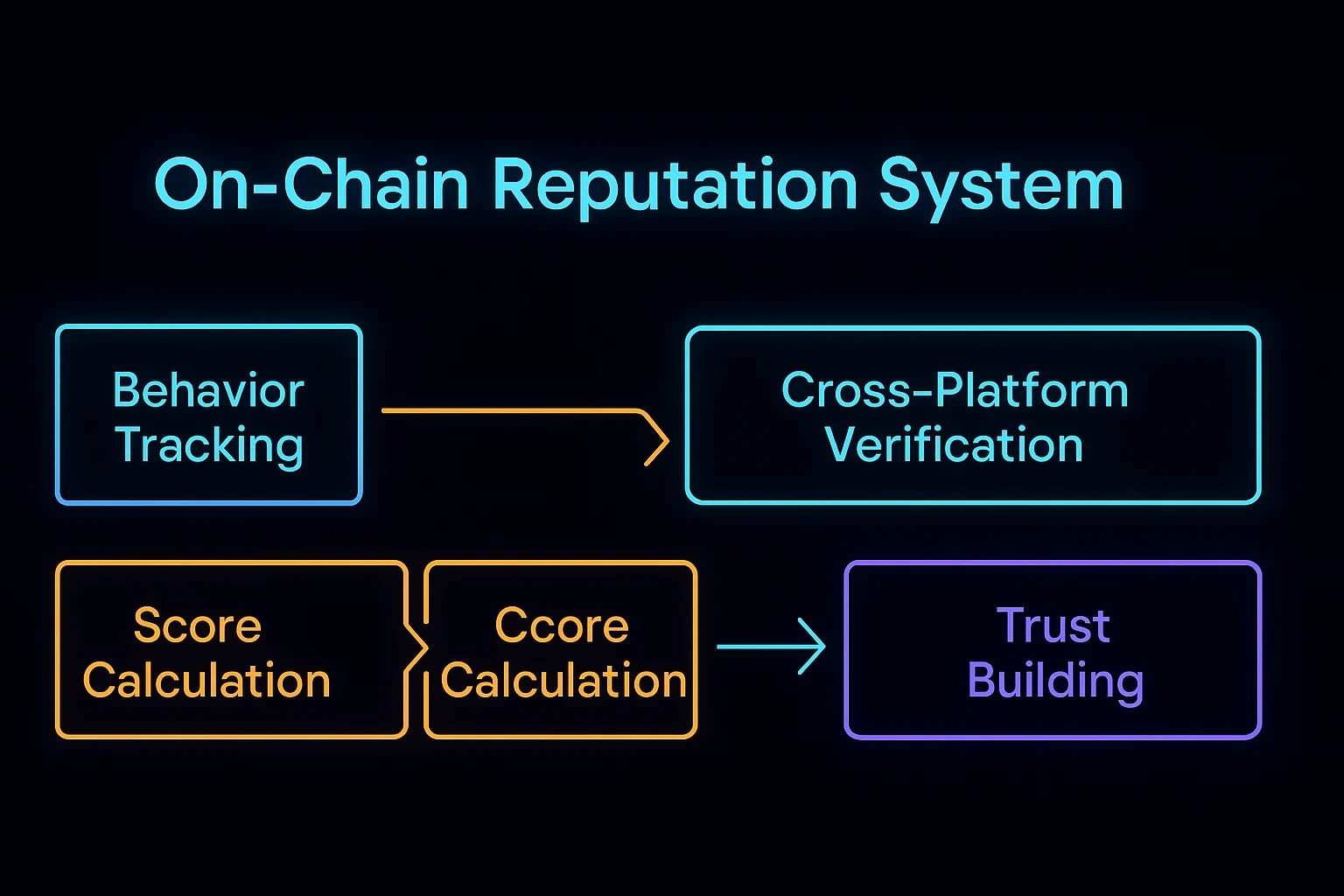
On-chain reputation system flow showing behavior tracking, score calculation, cross-platform verification, and trust building

Real-World Examples

  • ARCx creates DeFi passport scores based on lending behavior and protocol usage
  • Gitcoin Passport aggregates various identity and activity signals for reputation scoring
  • DegenScore ranks wallet addresses based on DeFi activity and expertise signals

Why Beginners Should Care

Trust building in pseudonymous environments where traditional identity verification isn’t possible or desired.

Access benefits as high reputation scores may unlock better borrowing rates, exclusive opportunities, or governance privileges.

Privacy implications since comprehensive behavior tracking can reveal significant personal information about users’ activities and preferences.

Related Terms: Soulbound Token, Decentralized Identity, Governance Participation

Back to Crypto Glossary

Similar Posts

  • Smart Contract Risk

    Smart Contract Risk: Code-Based VulnerabilitiesSmart contract risk encompasses potential losses from bugs, exploits, or unexpected behavior in automated blockchain programs. It's like the risk that the software controlling your digital money might malfunction or be hacked.Smart contract risk refers to potential vulnerabilities, bugs, exploits, or failures in smart contract code that could result in loss…

  • Scaling

    Scaling: Handling More TransactionsScaling refers to increasing a blockchain network's capacity to handle more transactions per second without sacrificing security or decentralization. It's the holy grail of blockchain development.Scaling in blockchain technology involves improving transaction throughput, reducing costs, and maintaining performance as networks grow in size and usage. This typically requires technical solutions that balance speed,…

  • Interoperability

    Interoperability: Blockchain Networks Working TogetherInteroperability enables different blockchain networks to communicate and share information seamlessly. It's like having universal translators for blockchain languages.Interoperability refers to the ability of different blockchain networks to communicate, share data, and interact with each other without requiring centralized intermediaries. This enables cross-chain applications and unified user experiences.How Blockchain Interoperability WorksCross-chain protocols enable…

  • FOMO (Fear of Missing Out)

    FOMO: The Psychology That Drives Crypto Markets FOMO (Fear of Missing Out) is responsible for more bad crypto decisions than any technical analysis could prevent. It’s the emotional trap that turns rational people into panic buyers. FOMO is the anxiety that others are experiencing rewarding experiences from which one is absent. In crypto, it manifests…

  • Dynamic Gas Pricing

    Dynamic Gas Pricing: Adaptive Fee Markets Dynamic gas pricing automatically adjusts transaction fees based on network demand. It’s like surge pricing for blockchain transactions – pay more when everyone wants to transact. Dynamic gas pricing is a mechanism that automatically adjusts transaction fees based on current network congestion and demand. This creates more efficient fee…

  • Solver Network

    Solver Network: Optimized Transaction ExecutionA solver network consists of specialized entities that find optimal execution paths for complex transactions across multiple protocols and chains. They're like GPS systems that find the best routes for your crypto transactions.A solver network comprises specialized services that analyze and execute complex transactions by finding optimal paths across multiple protocols,…