
Token Lockup

Token Lockup: Preventing Early Selling

Token lockups prevent allocated tokens from being sold or transferred for specific time periods. It’s like putting your poker winnings in a time-locked safe to prevent impulse spending.

Token lockup is a mechanism that prevents token holders from selling, transferring, or accessing their tokens until predetermined conditions are met. Lockups typically use smart contracts to enforce restrictions automatically.

How Token Lockups Work

Smart contract enforcement makes lockup periods technically immutable, preventing even token holders from accessing funds before unlock conditions are satisfied.

Various trigger types include time-based unlocks, milestone achievements, governance votes, or other on-chain events that automatically release tokens.

Gradual release options may unlock tokens in tranches rather than all at once, smoothing potential market impact from large sales.
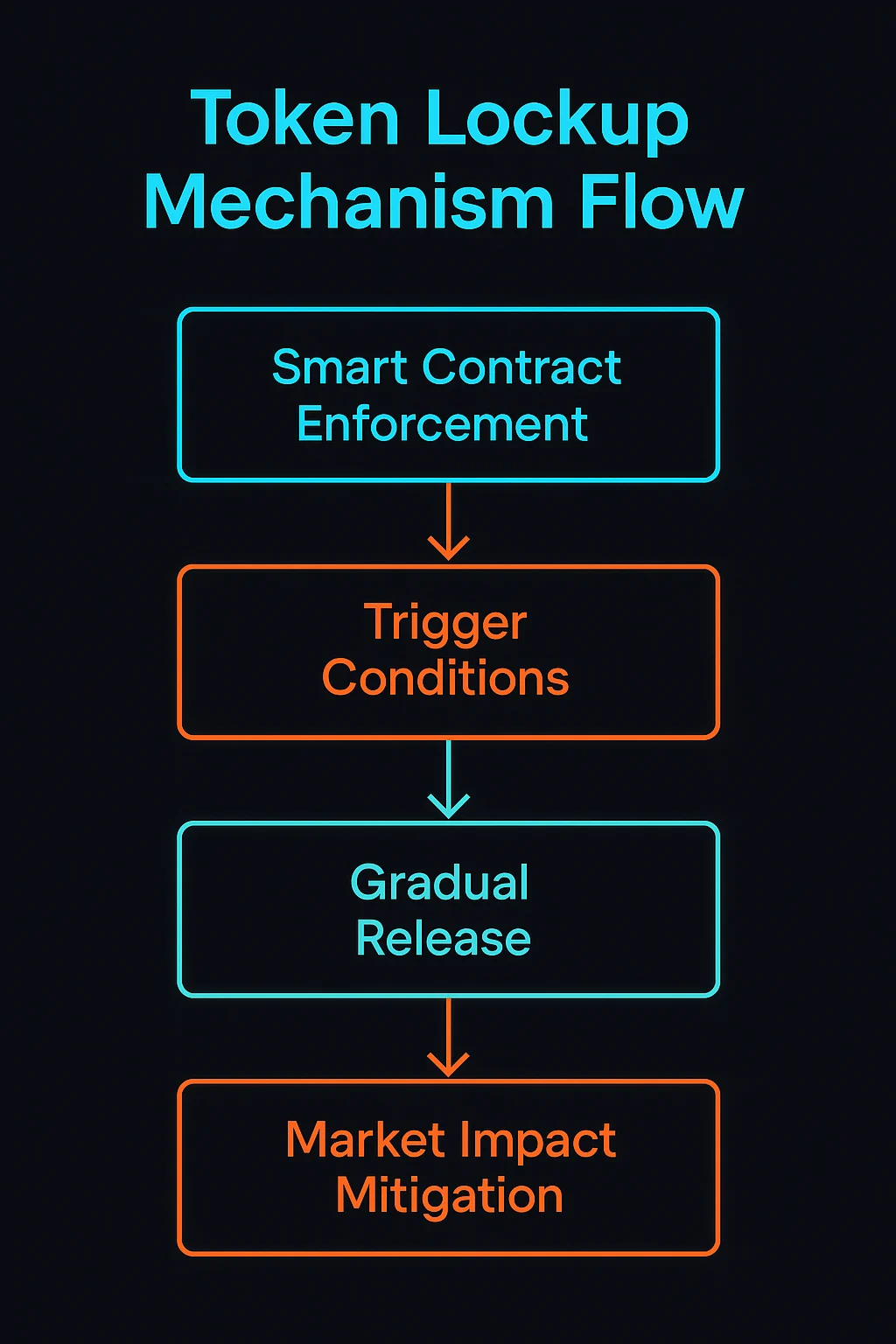
Token lockup flowchart showing smart contract enforcement, trigger conditions, gradual token release, and market impact mitigation

Real-World Examples

  • Team token lockups prevent founders from immediately selling allocations after public token launches
  • Liquidity provider rewards often have lockup periods to ensure continued platform participation
  • Investor protections through lockups that prevent early whale dumping on retail buyers

Why Beginners Should Care

Price stability benefits from lockups that prevent large holders from immediately dumping tokens and crashing prices after launches.

Commitment signaling as teams and investors willing to accept lockups demonstrate confidence in long-term project success.

Unlock events create predictable supply increases that may pressure prices, requiring investors to monitor lockup expiration schedules.

Related Terms: Vesting Schedule, Smart Contract, Supply Shock, Market Stability

Back to Crypto Glossary

Similar Posts

  • Yield Optimization

    Yield Optimization: Maximizing Investment ReturnsYield optimization involves strategies and protocols that automatically maximize returns on cryptocurrency investments through dynamic allocation and compounding. It's like having a financial advisor that works 24/7 to find the best returns.Yield optimization refers to automated strategies that maximize returns on cryptocurrency investments by continuously monitoring opportunities and reallocating funds to…

  • Execution Layer

    Execution Layer: Transaction Processing EngineThe execution layer handles transaction processing and smart contract execution within blockchain architectures. It's like the engine that actually does the work in a modular blockchain system.The execution layer is responsible for processing transactions, executing smart contracts, and managing state changes within blockchain networks. In modular architectures, this layer can be optimized…

  • Consensus Rules

    Consensus Rules: Network Agreement ProtocolsConsensus rules define how blockchain networks validate transactions and maintain agreement about the ledger state. They're like the constitution for digital money systems.Consensus rules are the specific protocols and requirements that all network participants must follow to validate transactions, create blocks, and maintain agreement about the blockchain's current state. These rules ensure…

  • Ledger

    Ledger: Hardware Wallet Security Leader Ledger is a leading hardware wallet company that provides secure offline storage for cryptocurrency private keys. They’re like the Fort Knox of crypto storage devices. Ledger is a hardware wallet manufacturer that creates secure devices for storing cryptocurrency private keys offline, protecting them from online threats and hacking attempts. These…

  • ICO

    ICO: Initial Coin OfferingAn ICO is a fundraising method where new cryptocurrency projects sell tokens to early investors. It's like an IPO for stocks, but for new cryptocurrency tokens instead of company shares.An Initial Coin Offering (ICO) is a fundraising mechanism where cryptocurrency projects sell tokens to investors to raise capital for development and operations. ICOs…

  • Protocol Revenue

    Protocol Revenue: Earning from Network ActivityProtocol revenue refers to income generated by blockchain protocols through transaction fees, service charges, or other value capture mechanisms. It's like toll roads that collect fees from everyone who uses the infrastructure.Protocol revenue encompasses all income streams generated by blockchain protocols including transaction fees, service charges, governance fees, and other…