
Market Cap

Market Cap: How to Value Crypto Projects

Market cap tells you how much the entire crypto market values a project. It’s the most important number for comparing different cryptocurrencies.

Market capitalization is the total value of all coins in circulation, calculated by multiplying the current price by the circulating supply. It shows the relative size and importance of different crypto projects.

How Market Cap Works

Simple formula: Current Price × Circulating Supply = Market Cap

A $1 coin with 1 billion circulating supply has the same market cap ($1 billion) as a $1,000 coin with 1 million circulating supply. Price per coin is meaningless without considering supply.

Fully Diluted Market Cap includes all tokens that will ever exist, including those not yet released. This gives a more complete picture of potential future value dilution.
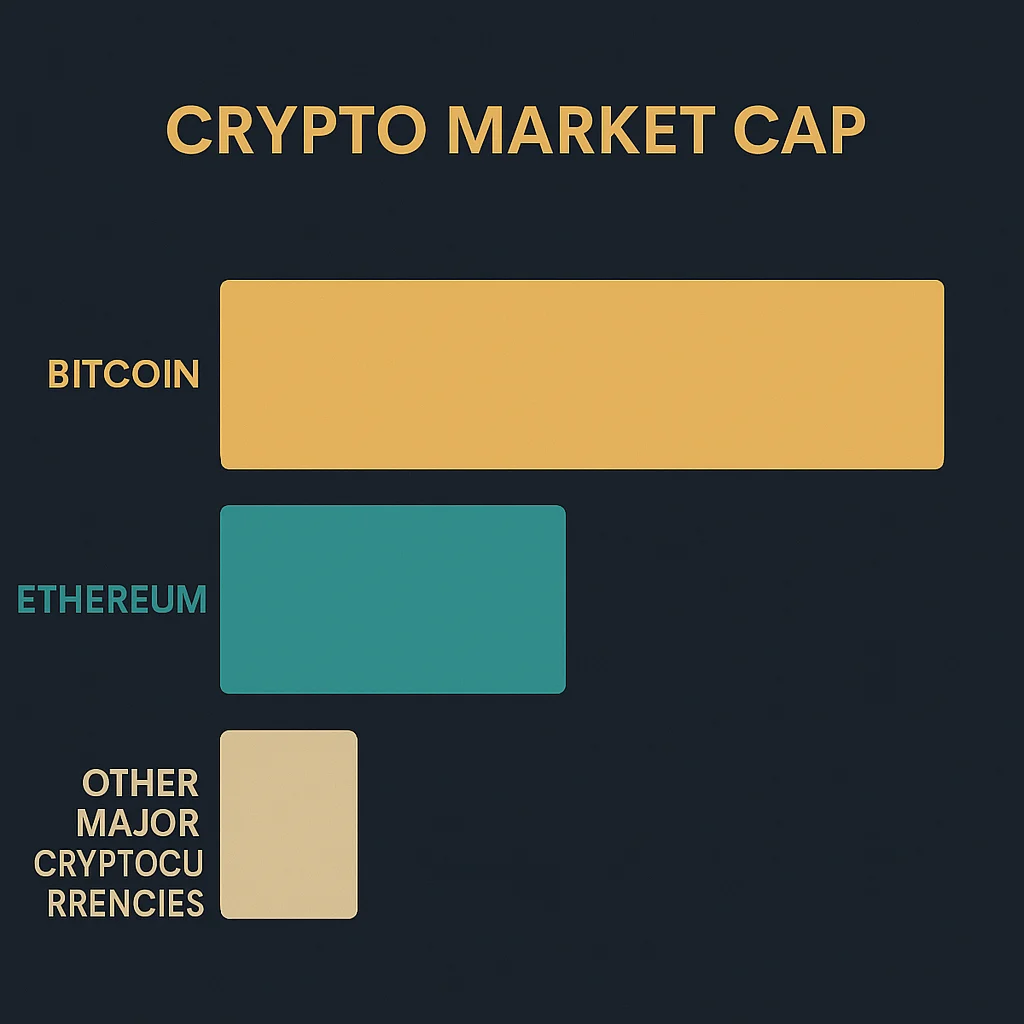
Bar chart comparing market caps of Bitcoin, Ethereum, and other major cryptocurrencies

Real-World Examples

  • Bitcoin – ~$600 billion market cap (19.7M BTC × ~$30K)
  • Ethereum – ~$240 billion market cap (120M ETH × ~$2K)
  • Shiba Inu – $6 billion market cap despite low price due to massive supply

Why Beginners Should Care

Market cap helps you understand realistic price potential. A coin with 100 billion tokens can’t reach $1,000+ per token without exceeding global GDP.

Compare similar projects by market cap, not price. Two DeFi tokens might have different prices, but market cap shows which the market values more highly.

Related Terms: Circulating Supply, Total Supply, Token Economics, Whale

Back to Crypto Glossary

Similar Posts

  • Token Launch

    Token Launch: Cryptocurrency Project DebutA token launch is the initial release of a new cryptocurrency token to the public market. It's like a product launch where a company introduces a new product, but for digital currencies instead of physical goods.Token launch refers to the process of introducing a new cryptocurrency token to the market, including…

  • Bear Market

    Bear Market: When Reality Hits Crypto Bear markets separate tourists from residents. Prices fall, optimism dies, and everyone learns who was swimming naked when the tide goes out. A bear market is a sustained period of declining cryptocurrency prices accompanied by widespread investor pessimism. During bear markets, even strong projects can lose 80-90% of their…

  • Credentials

    Credentials: Proof of Identity and QualificationsCredentials are verifiable proofs of identity, qualifications, or achievements that can be digitally verified without contacting issuing authorities. They're like diplomas that anyone can instantly authenticate.Credentials refer to digital or physical documents that prove identity, qualifications, achievements, or authorizations, increasingly being tokenized and verified through blockchain technology. These enable trustless verification…

  • On-Chain Reputation

    On-Chain Reputation: Verifiable Digital Standing On-chain reputation tracks user behavior and achievements through permanent blockchain records. It’s like having a credit score built from your entire crypto transaction history. On-chain reputation systems create verifiable records of user behavior, achievements, and interactions that persist across applications and can’t be faked or manipulated. These systems enable trust…

  • FOMO (Fear of Missing Out)

    FOMO: The Psychology That Drives Crypto Markets FOMO (Fear of Missing Out) is responsible for more bad crypto decisions than any technical analysis could prevent. It’s the emotional trap that turns rational people into panic buyers. FOMO is the anxiety that others are experiencing rewarding experiences from which one is absent. In crypto, it manifests…

  • Bagholder

    Bagholder: Stuck with Worthless Tokens A bagholder is someone stuck holding cryptocurrency that has lost most of its value with little hope of recovery. It’s crypto’s version of being left holding the bag. A bagholder is an investor who continues holding a cryptocurrency that has significantly decreased in value, often because they’re unable or unwilling…