
Token Lockup

Token Lockup: Preventing Early Selling

Token lockups prevent allocated tokens from being sold or transferred for specific time periods. It’s like putting your poker winnings in a time-locked safe to prevent impulse spending.

Token lockup is a mechanism that prevents token holders from selling, transferring, or accessing their tokens until predetermined conditions are met. Lockups typically use smart contracts to enforce restrictions automatically.

How Token Lockups Work

Smart contract enforcement makes lockup periods technically immutable, preventing even token holders from accessing funds before unlock conditions are satisfied.

Various trigger types include time-based unlocks, milestone achievements, governance votes, or other on-chain events that automatically release tokens.

Gradual release options may unlock tokens in tranches rather than all at once, smoothing potential market impact from large sales.
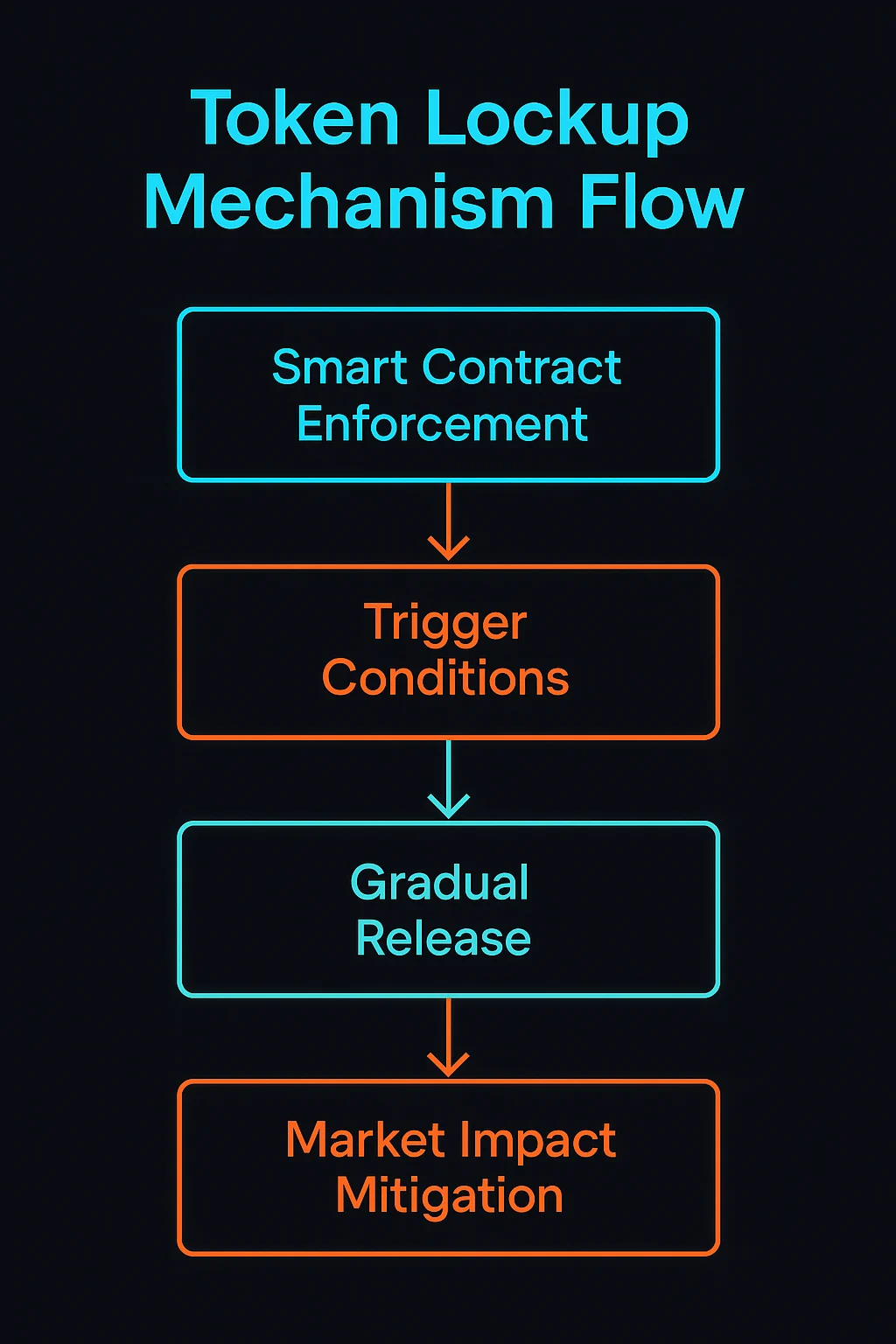
Token lockup flowchart showing smart contract enforcement, trigger conditions, gradual token release, and market impact mitigation

Real-World Examples

  • Team token lockups prevent founders from immediately selling allocations after public token launches
  • Liquidity provider rewards often have lockup periods to ensure continued platform participation
  • Investor protections through lockups that prevent early whale dumping on retail buyers

Why Beginners Should Care

Price stability benefits from lockups that prevent large holders from immediately dumping tokens and crashing prices after launches.

Commitment signaling as teams and investors willing to accept lockups demonstrate confidence in long-term project success.

Unlock events create predictable supply increases that may pressure prices, requiring investors to monitor lockup expiration schedules.

Related Terms: Vesting Schedule, Smart Contract, Supply Shock, Market Stability

Back to Crypto Glossary

Similar Posts

  • Transaction Verification

    Transaction Verification: Confirming Payment ValidityTransaction verification is the process of confirming that cryptocurrency transactions are valid before adding them to the blockchain. It's like having bank tellers check that signatures match and accounts have sufficient funds before processing checks.Transaction verification refers to the systematic process where network participants validate cryptocurrency transactions by checking digital signatures,…

  • Modular Execution Layer

    Modular Execution Layer: Specialized Transaction Processing Modular execution layers handle transaction processing separately from consensus and data availability. It’s like having specialized assembly lines instead of one worker doing everything. A modular execution layer is a specialized blockchain component that focuses solely on processing transactions and executing smart contracts while relying on other layers for…

  • Wallet Connect

    Wallet Connect: Universal dApp Connection Standard WalletConnect is an open protocol that enables secure connections between mobile wallets and desktop applications. It’s like Bluetooth for crypto wallets and dApps. WalletConnect is a communication protocol that allows cryptocurrency wallets to interact with decentralized applications across different devices and platforms. It enables secure, encrypted connections without exposing…

  • Liquidity Sniping

    Liquidity Sniping: Front-Running New Pools Liquidity sniping involves immediately buying tokens when new liquidity pools are created, often using bots to front-run regular users. It’s like cutting in line at the grand opening sale. Liquidity sniping is the practice of using automated systems to immediately purchase tokens as soon as new liquidity pools go live,…

  • Token Allocation

    Token Allocation: Distributing Digital AssetsToken allocation determines how cryptocurrency tokens are distributed among different stakeholders like teams, investors, and communities. It's the blueprint for who gets what in crypto projects.Token allocation refers to the distribution plan for cryptocurrency tokens among various stakeholder groups including development teams, early investors, community members, and ecosystem development funds. This distribution…

  • Circulating Supply

    Circulating Supply: Tokens Available for TradingCirculating supply represents the number of cryptocurrency tokens currently available for public trading and use. It's like counting how much money is actually in circulation versus locked away.Circulating supply refers to the number of cryptocurrency tokens that are publicly available and actively trading in the market. This excludes tokens that are…