
Blockchain

Blockchain: The Unchangeable Digital Ledger

Forget the hype – blockchain is simply a better way to keep records. It’s like a ledger book that everyone can see, but no one can cheat.

Blockchain is a chain of digital records (blocks) that are linked together and secured using cryptography. Once information goes into a block, changing it becomes practically impossible without changing every subsequent block.

How Blockchain Works

Picture a notebook where every page is numbered and contains a summary of the previous page. To fake page 50, you’d need to rewrite every page from 50 to the end – while thousands of people are watching and comparing their copies.

Each block contains transaction data, a timestamp, and a cryptographic fingerprint of the previous block. This creates an unbreakable chain of records.

New blocks get added roughly every 10 minutes (for Bitcoin), and thousands of computers worldwide verify each addition.
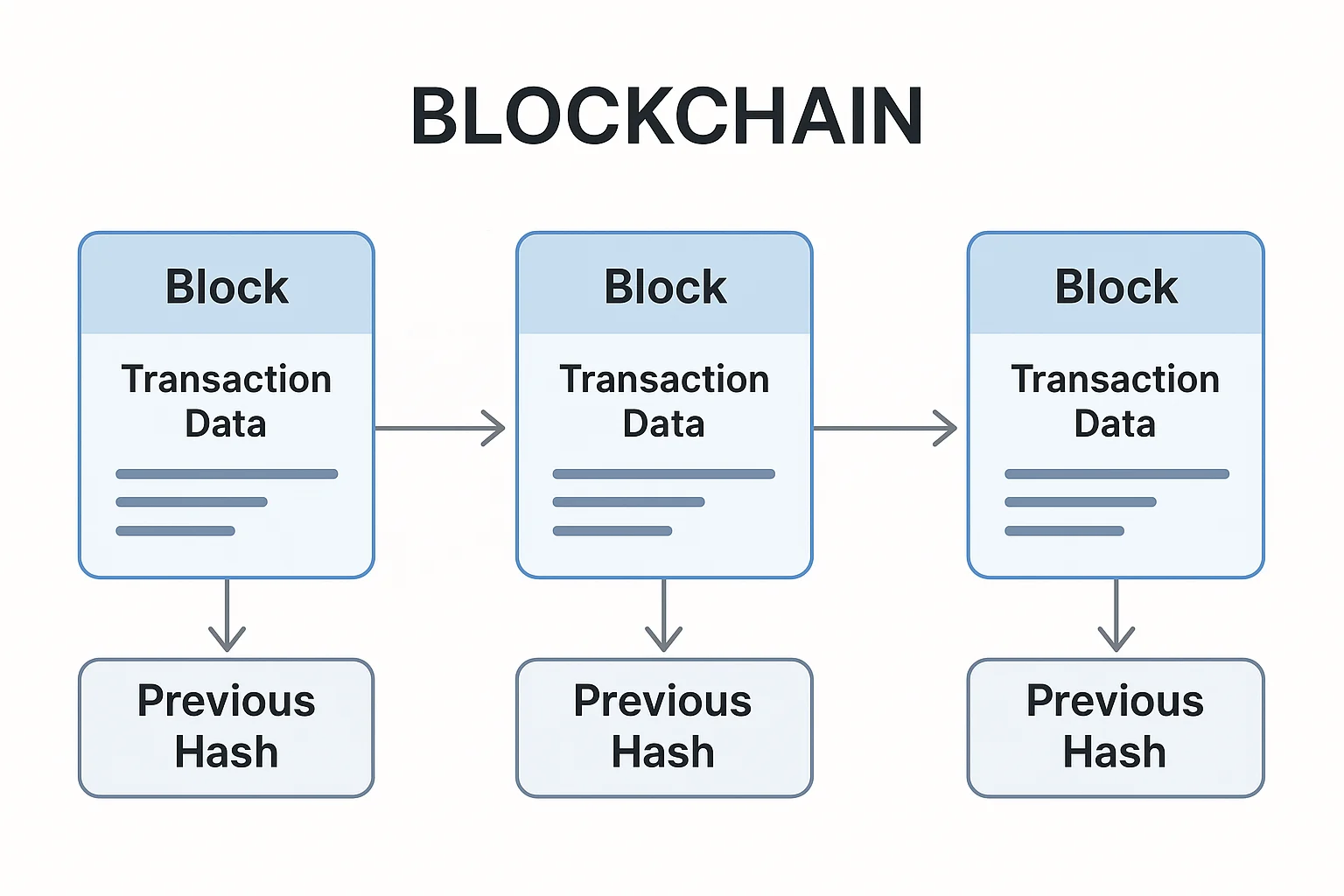
Diagram showing how each blockchain block contains transaction data and links to the previous hash

Real-World Examples

  • Bitcoin blockchain processes about 300,000 transactions daily
  • Ethereum blockchain powers thousands of decentralized applications
  • Supply chain tracking helps verify authentic products from counterfeits

Why Beginners Should Care

Blockchain eliminates the need for trusted intermediaries. Banks, governments, and corporations can’t manipulate blockchain records without everyone noticing.

This transparency creates opportunities for fair financial systems, transparent voting, authentic product verification, and ownership records that can’t be disputed.

Related Terms: Bitcoin, Mining, Consensus Mechanism, Hash Rate

Back to Crypto Glossary

Similar Posts

  • Base Layer

    Base Layer: Blockchain FoundationThe base layer is the underlying blockchain protocol that provides fundamental functionality like consensus, security, and transaction processing. It's the foundation that everything else builds upon.Base layer refers to the core blockchain protocol that handles basic functions like transaction validation, consensus, and security without relying on external systems. This is Layer 1 infrastructure…

  • Yield Farming

    Yield Farming: Crypto’s High-Risk, High-Reward Game Yield farming is DeFi’s answer to traditional investing – except the yields are higher, the risks are bigger, and the game changes daily. Yield farming is the practice of lending, staking, or providing liquidity with your cryptocurrency to earn maximum returns across multiple DeFi protocols. It’s like playing musical…

  • Asset Rehypothecation

    Asset Rehypothecation: Reusing Collateral for Multiple PurposesAsset rehypothecation involves using the same collateral for multiple financial purposes simultaneously. It's like using your house as collateral for multiple loans at the same time.Asset rehypothecation refers to the practice of using deposited or pledged assets as collateral for additional financial activities beyond their original purpose. This can multiply…

  • Liquidity Mining

    Liquidity Mining: Earning Tokens for Providing LiquidityLiquidity mining rewards users with tokens for providing liquidity to decentralized exchanges and protocols. It's like getting paid to be a market maker in the digital asset ecosystem.Liquidity mining is an incentive mechanism where DeFi protocols distribute tokens to users who provide liquidity to trading pools, lending markets, or…

  • Immutability

    Immutability: Unchangeable Record KeepingImmutability refers to the property of blockchain data that makes it extremely difficult or impossible to alter once recorded. It's like writing in permanent ink that can't be erased.Immutability is the characteristic of blockchain networks that makes recorded transactions and data extremely resistant to modification or deletion. This property ensures historical accuracy and…

  • Sunk Cost

    Sunk Cost: Irretrievable Past InvestmentsSunk cost refers to money already spent that cannot be recovered, which shouldn't influence future investment decisions. It's like refusing to leave a terrible movie halfway through just because you already paid for the ticket.Sunk cost describes past investments or expenditures that cannot be recovered and should not factor into future…