
Layer 2

Layer 2: Scaling Solutions for Expensive Blockchains

Layer 2 networks solve Ethereum’s biggest problem – ridiculous gas fees. They process transactions cheaply and quickly while inheriting Ethereum’s security.

Layer 2 is a separate blockchain or protocol built on top of a main blockchain (Layer 1) to improve scalability and reduce transaction costs. These solutions handle transactions off the main chain, then batch settle results back to Layer 1.

How Layer 2 Works

Rollups bundle hundreds of transactions together and submit cryptographic proofs to Ethereum, splitting gas costs across many users. This reduces individual transaction fees from $50+ to under $1.

State channels allow parties to transact privately off-chain, only settling final balances on-chain. Think of it like opening a bar tab and paying the total at the end.

Sidechains operate as independent blockchains with their own consensus mechanisms, periodically checkpointing to the main chain for security.
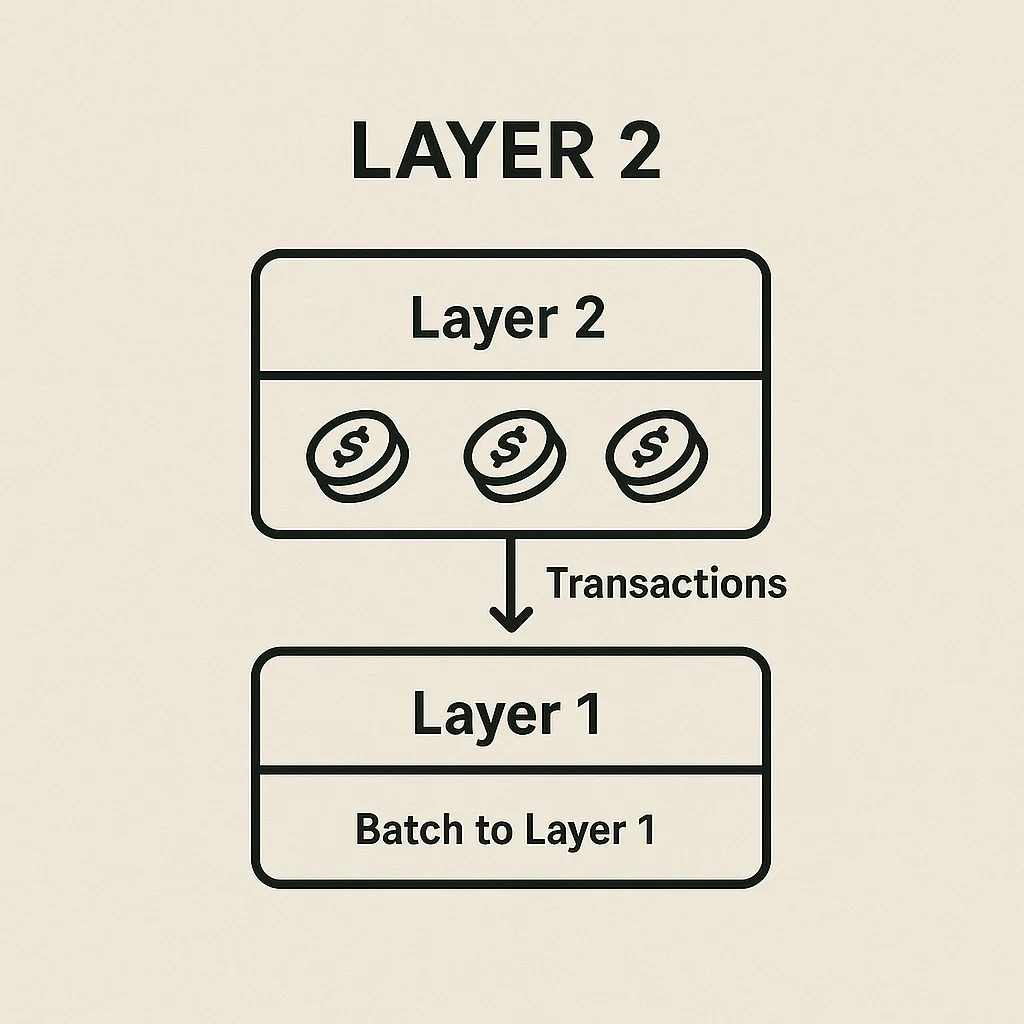
Infographic diagram showing transactions processed on Layer 2 and batched to Layer 1 for final settlement

Real-World Examples

  • Polygon – Popular sidechain with sub-cent transaction fees
  • Arbitrum – Optimistic rollup with major DeFi protocol support
  • Lightning Network – Bitcoin’s Layer 2 for instant micropayments

Why Beginners Should Care

Layer 2 makes DeFi accessible to normal people. Instead of paying $100 in gas fees to swap $500 worth of tokens, you pay $2 and get the same security guarantees.

Start with Layer 2 for learning DeFi. Polygon and Arbitrum offer the same protocols as Ethereum mainnet but with affordable transaction costs for experimentation.

Bridge assets carefully between layers – bridge contracts are common targets for hackers and exploits.

Related Terms: Ethereum, Gas Fees, Rollups, Bridge

Back to Crypto Glossary

Similar Posts

  • Modular Blockchain

    Modular Blockchain: Specialized Building Blocks Modular blockchains separate core functions like consensus, execution, and data availability into specialized layers. It’s like having a restaurant where different teams handle cooking, serving, and cleaning instead of one person doing everything. Modular blockchain architecture separates blockchain functions into distinct layers that can be optimized independently. This allows specialization…

  • Validator

    Validator: Proof-of-Stake Network Guardians Validators are the security backbone of proof-of-stake networks. They propose blocks, verify transactions, and earn rewards for honest behavior. A validator is a network participant in proof-of-stake blockchains who validates transactions, proposes new blocks, and maintains network consensus in exchange for staking rewards. Validators replace miners in PoS systems. How Validators…

  • Mining

    Mining: How New Bitcoins Are Created Bitcoin mining is the process that creates new bitcoins and secures the network. It’s like a global lottery where miners compete to solve mathematical puzzles for rewards. Mining is the computational process of validating transactions and adding new blocks to a blockchain while earning newly created cryptocurrency as rewards….

  • Project Vetting

    Project Vetting: Investment Due DiligenceProject vetting involves thoroughly researching and evaluating cryptocurrency projects before investing to identify legitimate opportunities and avoid scams. It's like inspecting a house before buying it to check the foundation, plumbing, and electrical systems.Project vetting refers to the comprehensive research and analysis process used to evaluate cryptocurrency projects, including team credentials,…

  • Whale

    Whale: The Big Players Who Move Markets In crypto, whales are individuals or entities holding massive amounts of cryptocurrency. When whales move, markets tremble. A whale is someone who holds enough cryptocurrency to significantly influence market prices through their trading decisions. For Bitcoin, this typically means holding 1,000+ BTC (worth $30+ million at current prices)….

  • Team Incentives

    Team Incentives: Aligning Development with SuccessTeam incentives structure compensation and motivation for cryptocurrency project developers and founders. They align team interests with long-term project success rather than short-term gains.Team incentives refer to compensation structures that motivate project teams to work toward long-term success rather than quick profits. These typically include token allocations with vesting schedules and…