
DeFi Insurance

DeFi Insurance: Protecting Against Smart Contract Risk

DeFi insurance provides coverage against smart contract failures, hacks, and protocol exploits. It’s like buying fire insurance for your digital assets in experimental financial protocols.

DeFi insurance offers protection against losses from smart contract bugs, hacks, oracle failures, and other technical risks in decentralized finance protocols. Users pay premiums to receive coverage for specific risks and amounts.

How DeFi Insurance Works

Risk assessment by insurance protocols evaluates smart contract security, team reputation, and historical performance to price coverage appropriately.

Premium payments fund insurance pools that pay out claims when covered events occur, with pricing based on perceived risk levels.

Claim verification often involves community governance or expert assessment to determine whether losses qualify for insurance payouts.
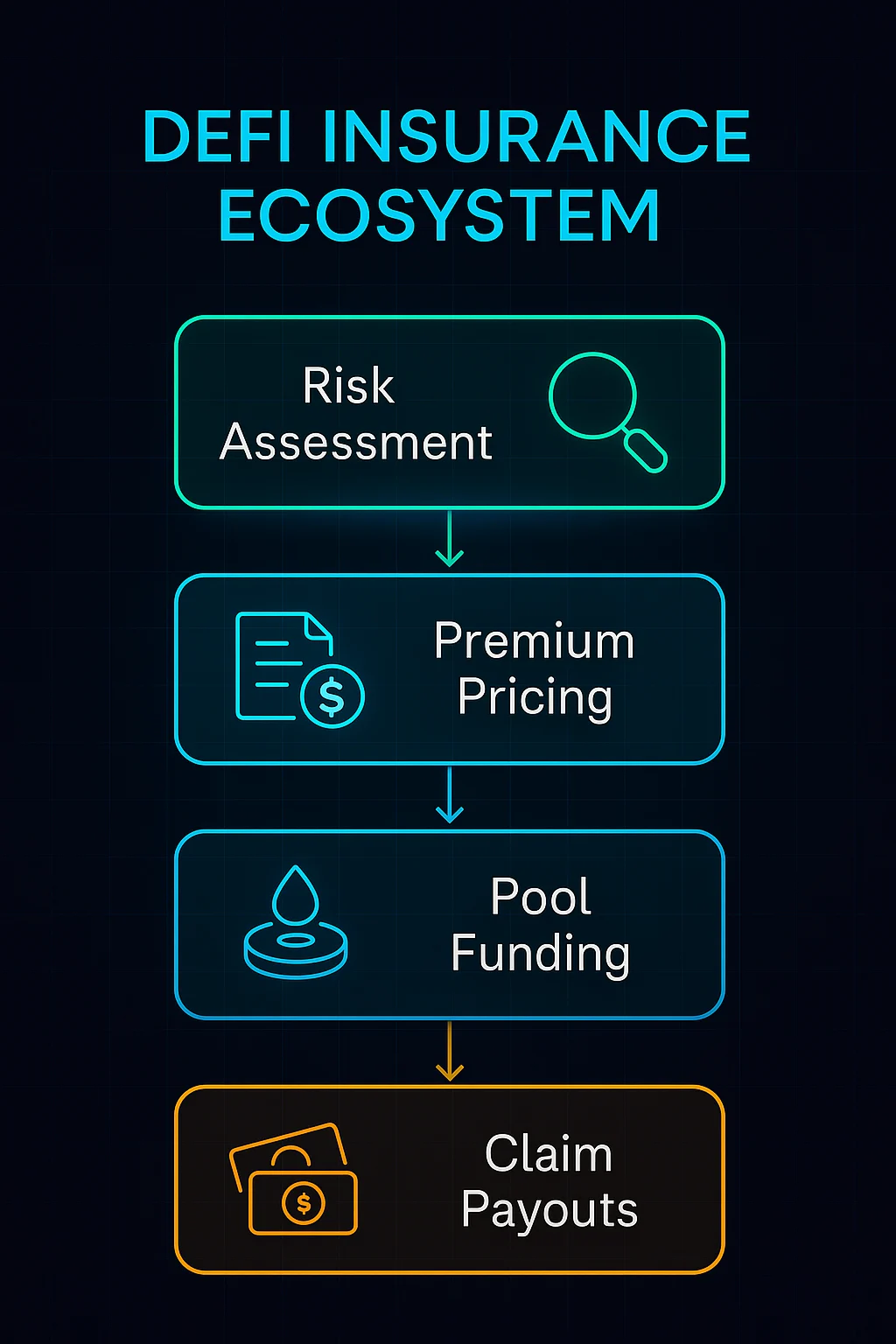
Infographic showing the DeFi insurance ecosystem: risk assessment, premium pricing, pool funding, and claim payouts

Real-World Examples

  • Nexus Mutual provides community-driven smart contract insurance coverage
  • Cover Protocol offers decentralized insurance markets for DeFi risks
  • Unslashed Finance creates insurance pools for various crypto risks

Why Beginners Should Care

Risk mitigation for experimental DeFi protocols that may have undiscovered vulnerabilities or face sophisticated attacks.

Cost considerations as insurance premiums can be expensive, sometimes offsetting potential yield gains from high-risk protocols.

Coverage limitations since insurance typically doesn’t cover market risks, impermanent loss, or user errors – only technical failures.

Related Terms: Smart Contract Risk, Protocol Security, Risk Management, Premium

Back to Crypto Glossary

Similar Posts

  • Address Clustering

    Address Clustering: Connecting Wallet IdentitiesAddress clustering analyzes blockchain transactions to identify which addresses likely belong to the same user or entity. It's like detective work for digital money trails.Address clustering is a blockchain analysis technique that groups cryptocurrency addresses believed to belong to the same user or entity based on transaction patterns and shared inputs. This…

  • Bridge Token

    Bridge Token: Cross-Chain Asset Representations Bridge tokens are wrapped versions of assets that exist on different blockchains through cross-chain bridge protocols. They’re like having dollars that work in different countries’ ATM systems. A bridge token is a representation of an asset from one blockchain that can be used on a different blockchain through cross-chain bridge…

  • Consensus Layer

    Consensus Layer: Agreement Coordination SystemThe consensus layer coordinates agreement among network participants about the valid state of the blockchain. It's like having a voting system that everyone trusts to make fair decisions.The consensus layer is the component of blockchain architecture responsible for coordinating agreement among network participants about transaction validity and blockchain state. This layer ensures…

  • Application Layer

    Application Layer: User-Facing Blockchain AppsThe application layer consists of user-facing applications and services built on top of blockchain infrastructure. It's where users actually interact with blockchain technology.The application layer comprises decentralized applications (dApps), user interfaces, and services that provide end-user functionality built on blockchain infrastructure. This layer makes blockchain technology accessible and useful for everyday users.How…

  • Dust

    Dust: Tiny Amounts That Clog Networks Dust refers to cryptocurrency amounts so small they’re not economically viable to spend due to transaction fees exceeding their value. It’s like having pennies that cost dollars to use. Dust consists of very small amounts of cryptocurrency that cost more in transaction fees to send than their actual value….

  • Consensus Rules

    Consensus Rules: Network Agreement ProtocolsConsensus rules define how blockchain networks validate transactions and maintain agreement about the ledger state. They're like the constitution for digital money systems.Consensus rules are the specific protocols and requirements that all network participants must follow to validate transactions, create blocks, and maintain agreement about the blockchain's current state. These rules ensure…