
Appchain

Appchain: Application-Specific Blockchains

Appchains are blockchains designed for single applications or use cases rather than general-purpose smart contracts. They’re like having a dedicated highway for one type of vehicle instead of mixed traffic.

An appchain is a blockchain optimized for a specific application or use case rather than supporting general-purpose smart contracts. This specialization enables better performance, lower costs, and features tailored to specific needs.

How Appchains Work

Single-purpose optimization allows appchains to remove unnecessary features and optimize for specific use cases like gaming, payments, or social media.

Custom consensus mechanisms can be designed for specific application requirements rather than using generic blockchain consensus suitable for all applications.

Direct value capture enables applications to capture MEV and transaction fees directly rather than paying them to general-purpose blockchain validators.
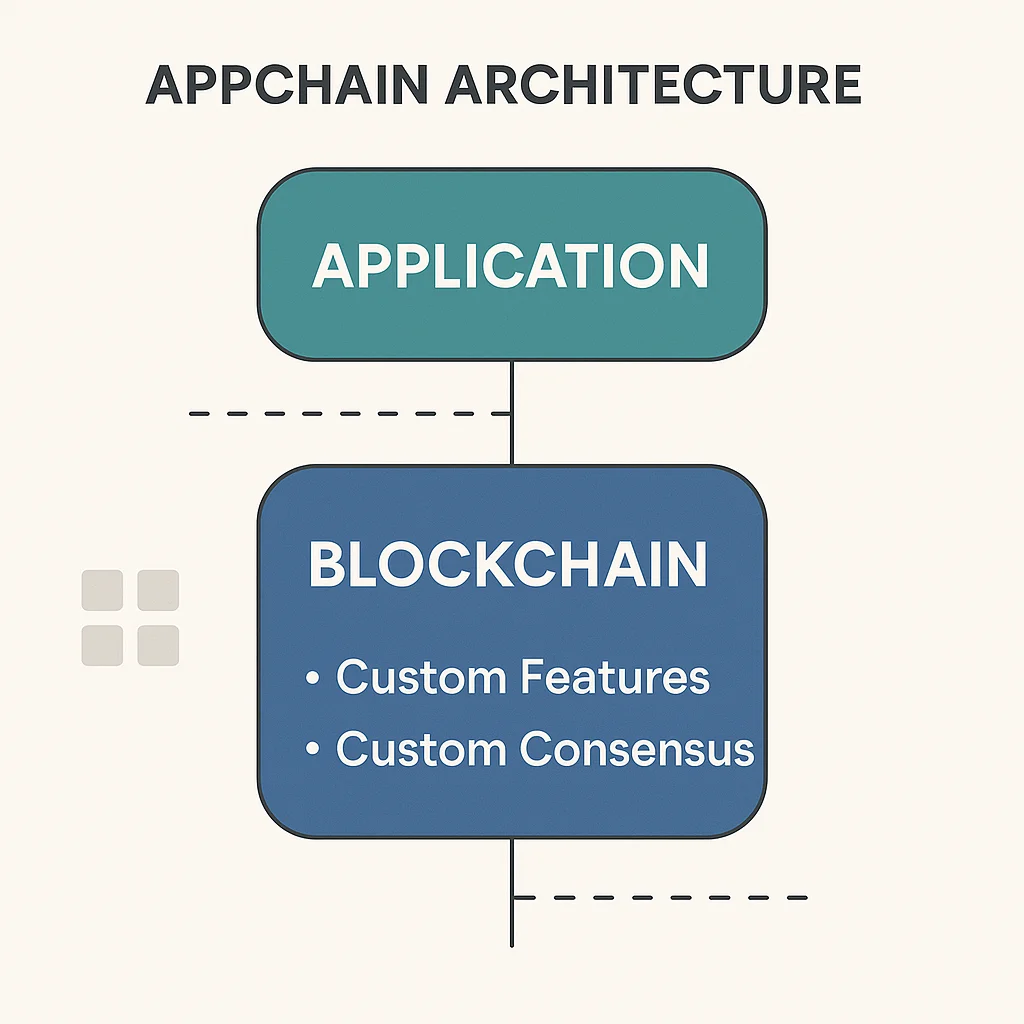
Appchain architecture diagram showing a specialized blockchain optimized for a specific application with custom features and consensus.

Real-World Examples

  • DYdX v4 runs on its own appchain optimized for derivatives trading
  • Immutable X provides a gaming-focused chain with NFT-optimized features
  • Cosmos ecosystem enables easy appchain creation through the Cosmos SDK

Why Beginners Should Care

Better performance from specialization can provide faster transactions, lower fees, and features impossible on general-purpose chains.

Sovereignty benefits give applications full control over their blockchain parameters, governance, and economic models.

Fragmentation concerns as appchains may reduce composability and liquidity compared to applications sharing common infrastructure.

Related Terms: Cosmos, Sovereignty, Application Layer,

Back to Crypto Glossary

Similar Posts

  • Fraud Proof

    Fraud Proof: Detecting Invalid TransactionsFraud proofs are cryptographic evidence that demonstrate when invalid transactions or state changes have occurred. They're like mathematical receipts that prove someone broke the rules.Fraud proofs are cryptographic evidence that can demonstrate when invalid state transitions or transactions have occurred in blockchain systems. These proofs enable efficient verification and dispute resolution in…

  • DeFi Aggregator

    DeFi Aggregator: Finding the Best Yields DeFi aggregators automatically find the best rates across multiple protocols for lending, borrowing, or trading. They’re like Expedia for decentralized finance. A DeFi aggregator is a platform that searches multiple protocols to find the best rates, yields, or liquidity for users’ specific needs. Instead of manually checking dozens of…

  • Order Flow

    Order Flow: Transaction Request RoutingOrder flow refers to the stream of buy and sell orders flowing through trading systems and how they're routed to different execution venues. It's like watching the flow of cars through different highway lanes to see which routes get the best traffic conditions.Order flow encompasses the path that trading orders take…

  • Rarity

    Rarity: Scarcity-Based Value AssessmentRarity refers to how uncommon or scarce particular traits, items, or attributes are within collections or ecosystems. It's like having a rare baseball card that's valuable because few others like it exist.Rarity describes the relative scarcity of digital assets, particularly NFT traits or characteristics, that affects their perceived value and market pricing. Rarer…

  • DPoS

    DPoS: Democratic Blockchain GovernanceDelegated Proof of Stake (DPoS) is a consensus mechanism where token holders vote for representatives who validate transactions on their behalf. It's like electing politicians to make decisions for the community.Delegated Proof of Stake (DPoS) is a consensus mechanism where token holders vote for a limited number of delegates who are responsible…

  • Meta Transactions

    Meta Transactions: Gasless User InteractionsMeta transactions enable users to interact with blockchain applications without paying gas fees directly. It's like having someone else pay your transaction fees while you control the actual operations.Meta transactions are blockchain transactions where the gas fees are paid by a third party (relayer) while the user maintains control over the…