
Minting

Minting: Creating New Tokens or NFTs

Minting is the moment digital assets come into existence. Whether it’s new cryptocurrency tokens or unique NFTs, minting transforms code into valuable digital property.

Minting is the process of creating new tokens or NFTs by executing a smart contract function that adds them to a blockchain. It’s like printing new money, except the “printing press” is programmable code with predetermined rules.

How Minting Works

Smart contracts contain minting functions that create new tokens when called. For cryptocurrencies, this might happen automatically as rewards. For NFTs, users typically trigger minting by paying gas fees.

Minting limits prevent infinite token creation. Many projects set maximum supplies or minting rates to control scarcity and maintain value.

Minting costs include gas fees plus any fees set by the project. Popular NFT drops can cost $100+ in gas during high demand periods.
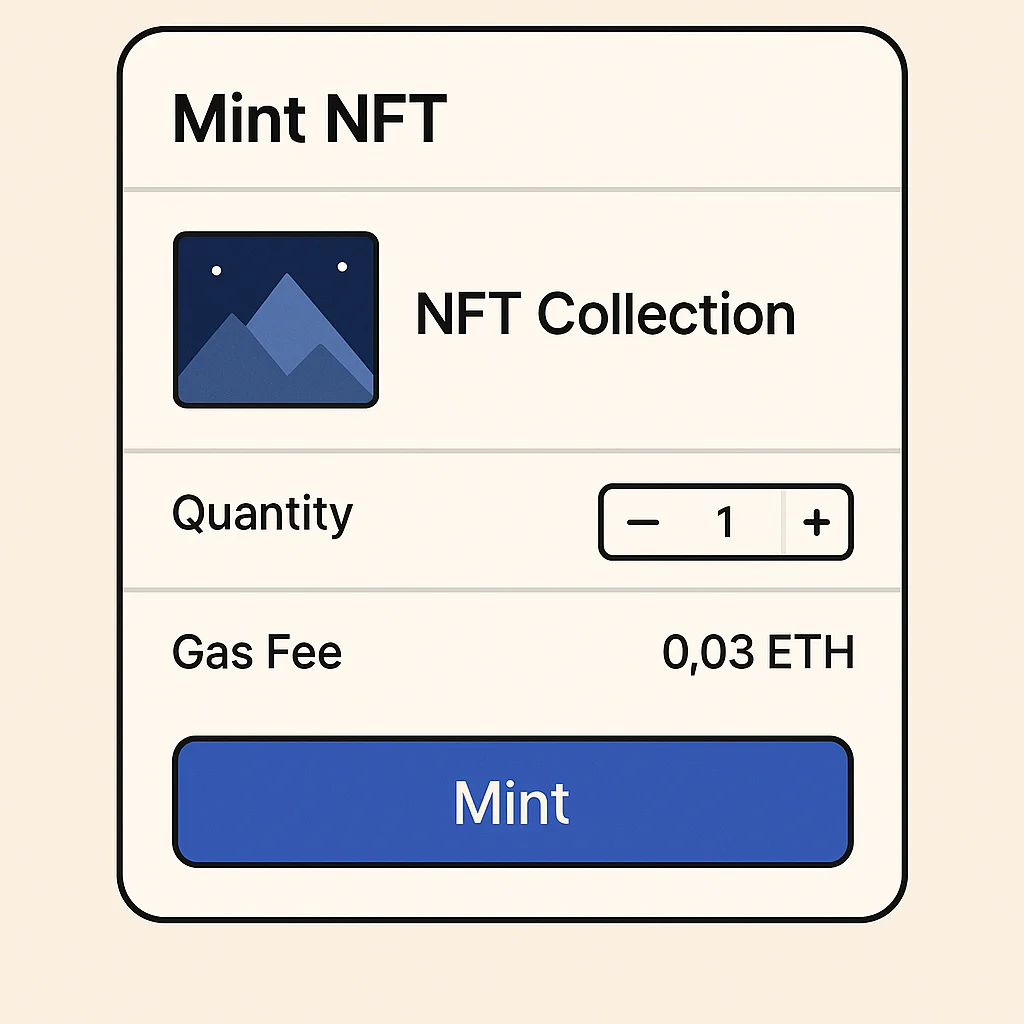
Digital interface for minting NFTs showing collection preview, quantity selector, gas fee estimate, and mint button

Real-World Examples

  • NFT collections allow users to mint random traits for fixed prices
  • Proof-of-Stake rewards get minted automatically for validators
  • DeFi tokens often have ongoing mint schedules for liquidity incentives

Why Beginners Should Care

Minting at launch often provides better prices than buying on secondary markets, but it’s also riskier since you don’t know the final product quality.

Gas wars during popular NFT launches can make minting extremely expensive. Set reasonable gas limits to avoid overpaying during network congestion.

Failed minting transactions still cost gas fees, so understand the process before attempting to mint during high-demand drops.

Related Terms: NFT, Smart Contract, Gas Fees, Token Supply

Back to Crypto Glossary

Similar Posts

  • Rehypothecation

    Rehypothecation: Reusing Collateral Multiple Times Rehypothecation involves using the same collateral to back multiple obligations simultaneously. It’s like using your house as collateral for three different loans at the same time. Rehypothecation is the practice of using customer assets as collateral for the institution’s own borrowing or trading activities. In DeFi, this creates leverage and…

  • Chain Abstraction

    Chain Abstraction: Invisible Multi-Chain Experience Chain abstraction hides blockchain complexity from users, making multi-chain interactions feel like using a single network. It’s like having universal currency that works everywhere without exchange rates. Chain abstraction creates user experiences where interactions with multiple blockchains happen seamlessly without users needing to understand or manage different networks, tokens, or…

  • Flash Mint

    Flash Mint: Temporary Token Creation Flash mints create tokens temporarily within single transactions that must be returned or burned before the transaction completes. It’s like borrowing inventory that must be returned instantly. Flash minting allows creating large amounts of tokens temporarily within a single transaction, provided they are burned or properly backed before the transaction…

  • Bridge Token

    Bridge Token: Cross-Chain Asset Representations Bridge tokens are wrapped versions of assets that exist on different blockchains through cross-chain bridge protocols. They’re like having dollars that work in different countries’ ATM systems. A bridge token is a representation of an asset from one blockchain that can be used on a different blockchain through cross-chain bridge…

  • WAGMI (We’re All Gonna Make It)

    WAGMI: Crypto’s Battle Cry WAGMI (We’re All Gonna Make It) is crypto’s rallying cry during tough times. It represents community solidarity and shared optimism about long-term success. WAGMI stands for “We’re All Gonna Make It” – a popular crypto community phrase expressing collective optimism about future success despite current market conditions. It originated from bodybuilding…

  • Collateral

    Collateral: Security for Borrowed FundsCollateral is an asset pledged as security for a loan that can be seized if the borrower fails to repay. In crypto, it's typically cryptocurrency deposited to secure borrowing positions.Collateral refers to assets deposited as security for loans, with the understanding that lenders can seize these assets if borrowers default on…